
"Vezanka" Chili 4000 Seeds Old Serbian variety
120.00 €


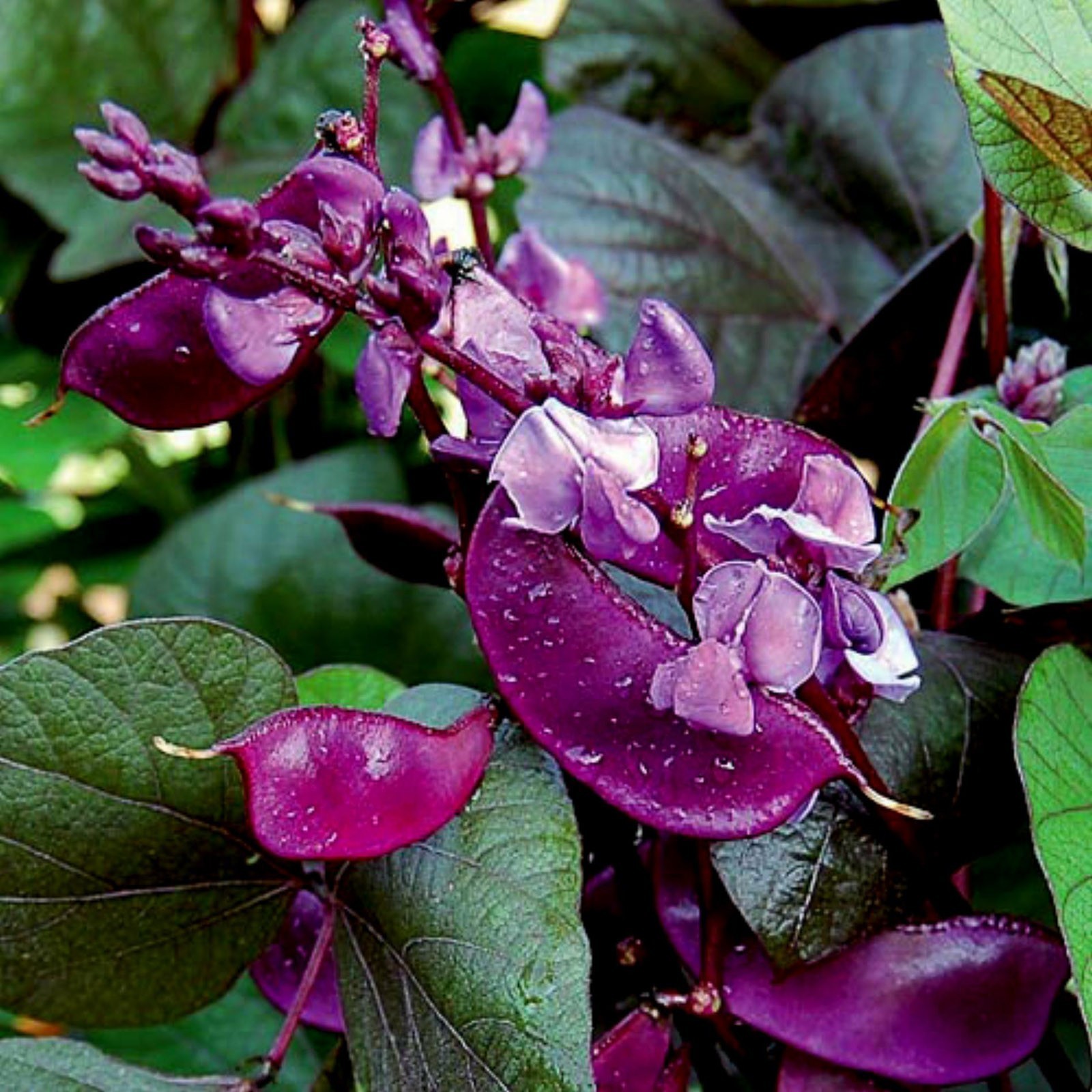

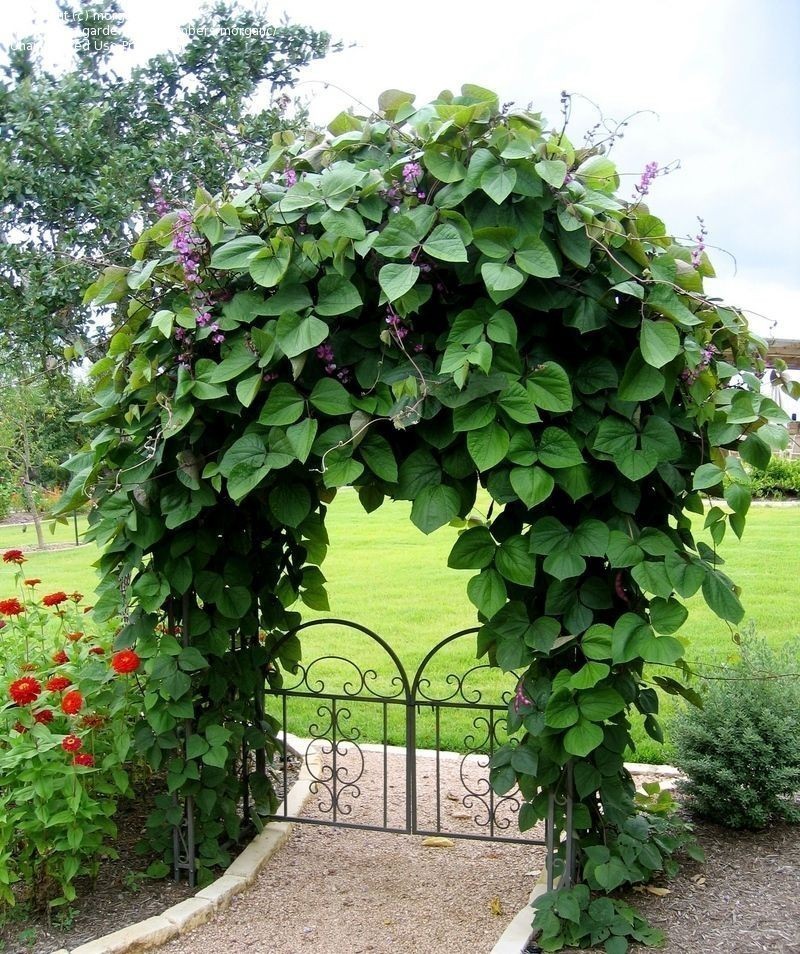

Lablab purpureus is a species of bean in the family Fabaceae. It is native to Africa and it is cultivated throughout the tropics for food. English language common names include hyacinth bean, lablab-bean
Lablab purpureus is a species of bean in the family Fabaceae. It is native to Africa and it is cultivated throughout the tropics for food. English language common names include hyacinth bean, lablab-bean bonavist bean/pea, dolichos bean, seim bean, lablab bean, Egyptian kidney bean, Indian bean, bataw and Australian pea. It is the only species in the monotypic genus Lablab.
The plant is variable due to extensive breeding in cultivation, but in general, they are annual or short-lived perennial vines. The wild species is perennial. The thick stems can reach six meters in length. The leaves are made up of three pointed leaflets each up to 15 centimeters long. They may be hairy on the undersides. The inflorescence is made up of racemes of many flowers. Some cultivars have white flowers, and others may have purplish or blue.[2] The fruit is a legume pod variable in shape, size, and color. It is usually several centimeters long and bright purple to pale green.[7] It contains up to four seeds. The seeds are white, brown, red, or black depending on the cultivar, sometimes with a white hilum. Wild plants have mottled seeds. The seed is about a centimeter long.
The hyacinth bean is an old domesticated pulse and multi-purpose crop. Due to seed availability of one forage cultivar (cv. Rongai), it is often grown as forage for livestock and as an ornamental plant. In addition, it is cited both as a medicinal plant and a poisonous plant.
The fruit and beans are edible if boiled well with several changes of the water. Otherwise, they are toxic due to the presence of cyanogenic glycosides, glycosides that are converted to hydrogen cyanide when consumed. Signs of poisoning include weakness, vomiting, dyspnea, twitching, stupor, and convulsions. It has been shown that there is a wide range of cyanogenic potential among the varieties.
The leaves are eaten raw or cooked like spinach. The flowers can be eaten raw or steamed. The root can be boiled or baked for food. The seeds are used to make tofu and tempeh.
In Bangladesh and West Bengal, the green pods along with the beans, known as Sheem (শিম), are cooked as vegetables or cooked with fish as a curry.
In China, the seeds are known as Bai Bian Dou. They are usually dried and baked before being used in traditional Chinese herbal remedies to strengthen spleen, reduce heat and dampness, and promote appetite.
In Kerala, it is known as Amarakka, Avara or Amara Payar (Malayalam: അമര പയർ ).[17] The beans as well as the bean pods are used in cooking curries. The bean pods are also used (along with spices) for preparing stir-fried dish known as Thoran.
In Maharashtra, dry preparations with green masala is often made out of these green beans (Ghevda varirties - Shravan ghevda (french beans), Bajirao Ghevda, Ghevda, Walwar, Pavta sheng..) mostly found at the end of monsoon during fasting festivals of Shravan month.
In Karnataka, the hyacinth bean is made into curry (avarekalu saaru)(Kannada: ಅವರೆಕಾಳು ಸಾರು), salad (avarekaalu usli), added to upma (avrekaalu uppittu), and as a flavoring to Akki rotti. Sometimes the outer peel of the seed is taken out and the inner soft part is used for a variety of dishes. This form is called hitakubele avarekalu, which means "pressed (hitaku) hyancinth bean, and a curry known as Hitikida Avarekaalu Saaru is made out of this deskinned beans.
In Telangana and Andra Pradesh, the bean pods are cut into small pieces and cooked as spicy curry in Pongal festival season. Sometimes the outer peel of the seed when tender and soaked over night is taken out and the inner soft part is used for a variety of dishes. This form is called pitakapappu,hanupa/anapa, which means "pressed (pitaku) hyancinth bean, and a curry known as Pitikida Anapaginjala Chaaru is made out of this deskinned beans along with bajra bread; it has been a very special delicacy for centuries.
In Huế, Vietnam, hyacinth beans are the main ingredient of the dish chè đậu ván (Hyacinth Bean Sweet Soup).
In Kenya, the bean called 'Njahe' is popular among several communities, especially the Kikuyu. Seasons were actually based on it i.e the Season of Njahe (Kīmera kīa njahī). It is thought to encourage lactation and has historically been the main dish for breastfeeding mothers. Beans are boiled and mashed with ripe and/or semi-ripe bananas, giving the dish a sweet taste. Today the production is in decline in eastern Africa. This is partly attributed to the fact that under colonial rule in Kenya, farmers were forced to give up their local bean in order to produce common beans (Phaseolus vulgaris) for export.
Other common names include Tonga bean, papaya bean, poor man bean (Australia), Seim (Trinidad), and butter bean (Caribbean).


Your review appreciation cannot be sent
Report comment
Report sent
Your report cannot be sent
اكتب تعليقك
Review sent
Your review cannot be sent
نقوم بالشحن إلى جميع أنحاء العالم من الاتحاد الأوروبي باستخدام بريد مسجل مع تأكيد استلام.
لتتبع شحنتك، قم بتسجيل الدخول إلى حسابك، ثم اذهب إلى سجل الطلبات > التفاصيل وستجد رقم التتبع هناك.
التتبع العالمي: 17Track
لتتبع أرقام مثل RGxxxxxxHR: تتبع Posta.hr
🕒 يرجى الانتظار 24 ساعة على الأقل بعد الشحن لظهور معلومات التتبع.
الدفع عند الاستلام غير متاح.
تحقق من مجلد البريد العشوائي/الغير هام في بريدك الإلكتروني للحصول على إشعارات الطلبات.
استخدم فقط نموذج الاتصال الموجود على موقعنا.
لن يتم الرد على الرسائل المرسلة مباشرة إلى بريدنا الإلكتروني.
يرجى إدخال رقم هاتفك المحمول مع رمز البلد.
مثال: +966 512 345 678
تتطلب الشحنات المسجلة توقيع المستلم.
لا تطلب إذا:
كنت تريد التسليم إلى صندوق بريد
لن تكون متواجداً لاستلام الطرد
تريد تسليمه إلى جار (❌ هذا غير ممكن)
📬 إذا أدخلت عنوان صندوق بريد وفُقدت الشحنة، فلن تكون مؤهلاً لاسترداد الأموال.
إذا تم إرجاع الشحنة إلينا لأي سبب:
سيتم فرض رسوم إرجاع 2 يورو
بالإضافة إلى تكلفة إعادة الشحن
إذا أظهر التتبع أن الشحنة لا تزال عند المرسل، فهذا يعني أنها في الطريق.
يرجى التواصل مع مكتب البريد المحلي باستخدام رقم التتبع.
نحن لسنا شركة بريدية ولا يمكننا تتبع الشحنات بالنيابة عنك.
لسنا مسؤولين عن مدة التوصيل.
🔍 يمكننا بدء تحقيق بفقدان الشحنة بعد مرور 30 يوماً على تاريخ الشحن فقط.
| نوع الشحن | وقت المعالجة | تأمين | احتمال التأخير | ملاحظات |
|---|---|---|---|---|
| الشحن العادي | 7–10 أيام عمل | ❌ | 7–14 يومًا | الخيار الاقتصادي |
| شحن ذو أولوية | 1–7 أيام عمل | ❌ | 3–10 أيام | أولوية في المعالجة – لكن ليس بالضرورة أسرع شحن |
| شحن مؤمَّن | 1–7 أيام عمل | ✅ | 3–10 أيام | استرداد في حال فقدان الشحنة، متاح للطلبات حتى 150 يورو |
🕒 المدة التقديرية للتوصيل:
داخل الاتحاد الأوروبي: 3–20 يوم عمل
عالميًا: 5–30 يوم عمل
أمثلة للتوصيل إلى الولايات المتحدة: 27، 22، 19، 17، 13 يومًا
تأكد من كتابة رقم الطلب في تفاصيل التحويل (مثال: SGS-19811702).
في حال غياب المرجع، قد يتأخر تأكيد الدفع أو يتم إلغاء الطلب.
إذا لم يتم استلام الدفعة خلال 7 أيام، سيتم إلغاء الطلب تلقائيًا.
نقبل المدفوعات بـ اليورو فقط عبر PayPal.
يرجى تحويل العملة إلى اليورو أثناء عملية الدفع.
الدفع يتم عبر موقعنا: Exotic Seeds Store
نقبل: Visa، MasterCard، American Express، Diners Club، UnionPay، JCB، Discover وغيرها.
💡 العميل يتحمل رسوم المعاملات البنكية إن وجدت.
يرجى تزويدنا بإثبات الدفع لتسريع معالجة طلبك.
لا نعالج الطلبات أو نقوم بالشحن أيام السبت والأحد.
يرجى دائمًا قراءة التنبيهات الهامة على موقعنا (مثل العطل الرسمية أو الشروط الخاصة).
📫 ملاحظة:
لا ترسل لنا رسائل على البريد الإلكتروني مباشرة. استخدم فقط نموذج الاتصال الموجود على موقعنا.


