- +00 123 4567
- support@seeds-gallery.shop
over 2000 different plant seeds
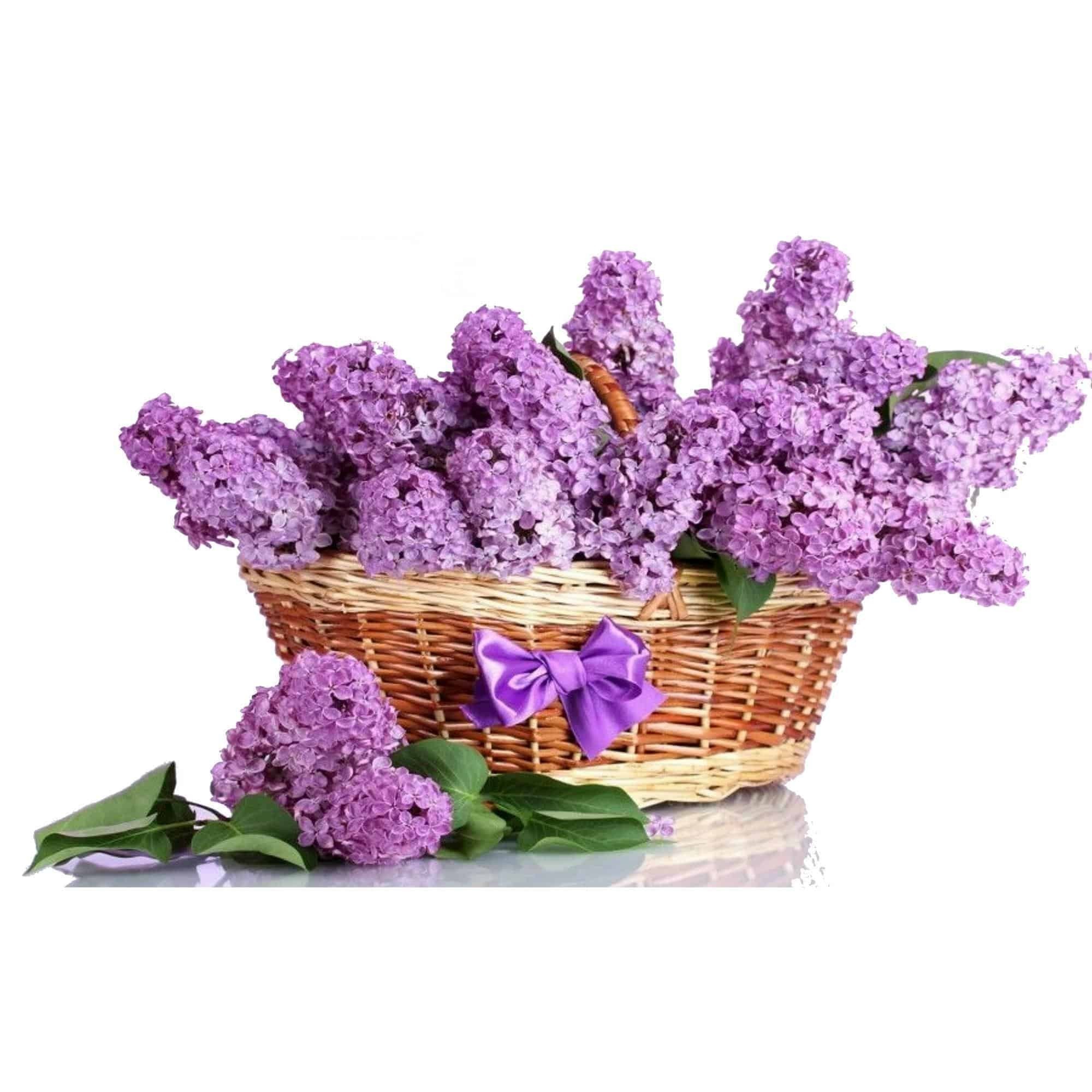


Syringa vulgaris originates from Europe. Great bonsai tree potential. If left to grow naturally, it reaches 8 to 10 feet tall. A small tree that with age develops deeply furrowed bark. This species of Lilac produces
،عزاءنا العملاء
نود إبلاغكم بتغيير هام يتعلق برسوم الدفع. للاسف، وبسبب الرسوم المرتفعة للغاية التي يفرضها موقع PayPal، نحن مضطرون لإضافة رسوم إضافية عند الدفع عبر هذه الخدمة
ومع ذلك، لدينا الحل المناسب لكم! يمكنك تجنب هذه الرسوم الفلكية عبر اختيار إحدى طرق الدفع البديلة بدون أي عمولة:
✅ الدفع عبر البطاقة البنكية – عمولة 0% ✅ التحويل البنكي المباشر – عمولة 0%
للاستفادة من هذا التوفير، يرجى إتمام عملية الشراء مباشرة عبر موقعنا الإلكتروني الرسمي: 👉
شكراً لتفهمكم ولاختياركم بذورنا!
فريق Seeds Gallery
Syringa vulgaris originates from Europe. Great bonsai tree potential. If left to grow naturally, it reaches 8 to 10 feet tall. A small tree that with age develops deeply furrowed bark. This species of Lilac produces suckers new shoots that sprout from the base of the shrub, or from the roots. Is very tolerant of hard pruning necessary for bonsai cultivation. Green heart-shaped leaves are smooth and appear before the flowers bloom. At Fall, the leaves turn yellow-green. The light purple flowers grow in large clusters, from May to June and have one of the most powerful fragrances emitted by a plant. Hardiness zones 3-7, (-15ºC/5ºF, -37ºC/-35ºF) in Winter. Adptable to a wide range of soils. Lilacs prefer well-drained, slightly alkaline soil and plenty of sunshine for optimum growth and blooming. Although Lilacs love water, they don't enjoy soggy soil. Without proper drainage, Lilacs will do little growing and produce fewer blossoms.
Germination
For faster germination, soak the seeds in slightly hot water for 24-48 hours, followed by one month of cold stratification before sowing at 1/4" deep in sterile gardening soil. Keep damp soil, not soaking wet. Keep pot in warm situation 68-75ºF. Germination usually occurs in 2-4 weeks. It can be a lot more depending on their degree of unbroken dormancy, don't give up.
Scarification / Stratification
This will break their dormancy. It creates a cold and moist environment for the seeds. Mixed in seeds with slightly moistened vermiculite or peat, only damp in a ziplock bag. Close zip bag shut and store it in the salad crisper compartment of your refrigerator. If any seeds begin to sprout during the cold stratification, simply remove the seed and plant.
WIKIPEDIA:
Syringa vulgaris (lilac or common lilac) is a species of flowering plant in the olive family Oleaceae, native to the Balkan Peninsula, where it grows on rocky hills. This species is widely cultivated as an ornamental and has been naturalized in other parts of Europe (UK, France, Germany, Italy, etc.), as well as much of North America. It is not regarded as an aggressive species, found in the wild in widely scattered sites, usually in the vicinity of past or present human habitations.
S. vulgaris is a large deciduous shrub or multistemmed small tree, growing to 6–7 m (20–23 ft) high, producing secondary shoots ("suckers") from the base or roots, with stem diameters up to 20 cm (8 in), which in the course of decades may produce a small clonal thicket.[7] The bark is grey to grey-brown, smooth on young stems, longitudinally furrowed, and flaking on older stems. The leaves are simple, 4–12 cm (2–5 in) and 3–8 cm broad, light green to glaucous, oval to cordate, with pinnate leaf venation, a mucronate apex, and an entire margin. They are arranged in opposite pairs or occasionally in whorls of three. The flowers have a tubular base to the corolla 6–10 mm long with an open four-lobed apex 5–8 mm across, usually lilac to mauve, occasionally white. They are arranged in dense, terminal panicles 8–18 cm (3–7 in) long. The fruit is a dry, smooth, brown capsule, 1–2 cm long, splitting in two to release the two-winged seeds.
Garden history
Lilacs — both S. vulgaris and S. × persica the finer, smaller "Persian lilac", now considered a natural hybrid — were introduced into European gardens at the end of the 16th century, from Ottoman gardens, not through botanists exploring the Balkan habitats of S. vulgaris.[12] The Holy Roman Emperor's ambassador, Ogier Ghiselin de Busbecq, is generally credited with supplying lilac slips to Carolus Clusius, about 1562. Well-connected botanists, such as the great herbalist John Gerard, soon had the rarity in their gardens: Gerard noted that he had lilacs growing “in very great plenty” in 1597, but lilacs were not mentioned by Shakespeare,[13] and John Loudon was of the opinion that the Persian lilac had been introduced into English gardens by John Tradescant the elder.[14] Tradescant's Continental source for information on the lilac, and perhaps ultimately for the plants, was Pietro Andrea Mattioli, as one can tell from a unique copy of Tradescant's plant list in his Lambeth garden, an adjunct of his Musaeum Tradescantianum; it was printed, though probably not published, in 1634: it lists Lilac Matthioli. That Tradescant's "lilac of Mattioli's" was a white one is shown by Elias Ashmole's manuscript list, Trees found in Mrs Tredescants Ground when it came into my possession (1662):[15] "Syringa alba".
In the American colonies, lilacs were introduced in the 18th century. Peter Collinson, F.R.S., wrote to the Pennsylvania gardener and botanist John Bartram, proposing to send him some, and remarked that John Custis of Virginia had a fine "collection", which Ann Leighton interpreted as signifying common and Persian lilacs, in both purple and white, "the entire range of lilacs possible" at the time.
Cultivation
The lilac is a very popular ornamental plant in gardens and parks, because of its attractive, sweet-smelling flowers, which appear in early summer just before many of the roses and other summer flowers come into bloom.
In late summer, lilacs can be attacked by powdery mildew, specifically Erysiphe syringae, one of the Erysiphaceae.[18] No fall color is seen and the seed clusters have no aesthetic appeal.
Common lilac tends to flower profusely in alternate years, a habit that can be improved by deadheading the flower clusters after the color has faded and before seeds, few of which are fertile, form. At the same time, twiggy growth on shoots that have flowered more than once or twice can be cut to a strong, outward-growing side shoot.
It is widely naturalised in western and northern Europe.[8] In a sign of its complete naturalization in North America, it has been selected as the state flower of the state of New Hampshire, because it "is symbolic of that hardy character of the men and women of the Granite State".[19] Additional hardiness, for Canadian gardens, was bred for in a series of S. vulgaris hybrids by Isabella Preston, who introduced many of the later-blooming varieties, whose later-developing flower buds are better protected from late spring frosts; the Syringa x prestoniae hybrids range primarily in the pink and lavender shades


Your review appreciation cannot be sent
Report comment
Report sent
Your report cannot be sent
اكتب تعليقك
Review sent
Your review cannot be sent
🌍 شحن لجميع أنحاء العالم من الاتحاد الأوروبي
نشحن إلى جميع أنحاء العالم من الاتحاد الأوروبي عبر البريد الجوي المسجل مع توقيع إلزامي عند الاستلام.
📦 تتبع طلبك
للعثور على رقم التتبع الخاص بك، قم بتسجيل الدخول إلى حسابك وانتقل إلى: سجل الطلبات > التفاصيل. رقم التتبع الخاص بك موجود مباشرة داخل تفاصيل الطلب.
ستتلقى إشعارات عبر البريد الإلكتروني لكل مرحلة من مراحل طلبك.
إذا لم تصلك هذه الرسائل، يرجى التحقق من مجلد الرسائل غير المرغوب فيها (Spam) أو الاتصال بمزود خدمة البريد الإلكتروني الخاص بك. بدلاً من ذلك، ابحث عبر الإنترنت عن كيفية إلغاء حظر رسائل البريد الإلكتروني للمرسل.
خدمة البريد الإلكتروني لدينا تعمل — إذا لم تستلم رسائل البريد الإلكتروني، فمن المحتمل أن تكون المشكلة في مزود البريد أو الإعدادات الخاصة بك.
📧 كيف تضمن وصول رسائل متجرنا إلى بريدك الوارد دائماً
لمنع تصنيف رسائلنا كرسائل مزعجة، أضف عنوان بريدنا الإلكتروني إلى جهات اتصالك:
افتح Gmail (أو أي مزود آخر) وابحث عن رسالة منا (support@seeds-gallery.shop).
مرر الفأرة فوق اسم المرسل أو عنوان بريده الإلكتروني.
اضغط على أيقونة "إضافة إلى جهات الاتصال" (أيقونة الشخص الصغيرة).
لا يمكننا مساعدتك إذا لم تكن إعداداتك بهذا الشكل. اتصل بمزود البريد الإلكتروني الخاص بك للحصول على المساعدة.
بدلاً من ذلك، أنشئ فلتراً في Gmail:
افتح Gmail واذهب إلى الإعدادات > عرض جميع الإعدادات.
اذهب إلى علامة تبويب الفلاتر والعناوين المحظورة.
اضغط على إنشاء فلتر جديد وأدخل عنوان بريدنا الإلكتروني.
اختر عدم الإرسال مطلقاً إلى البريد العشوائي واضغط على إنشاء فلتر.
📍 تتبع طردك
رقم التتبع الخاص بك موجود في تفاصيل طلبك. يمكنك تتبع طلبك عبر المنصات التالية:
⚠️ تنبيهات هامة
الدفع عند الاستلام غير متاح.
عند الطلب، يرجى دائماً تقديم رقم هاتف محمول صالح مع رمز الدولة (مثلاً: 576 7686 456 365+).
لا تطلب إلى صناديق البريد (P.O. Boxes)، أو إذا كنت لا تستطيع التواجد في المنزل للتوقيع على الطرد. لا يمكن ترك الطرود لدى الجيران.
إذا فُقد طرد أرسل إلى صندوق بريد أو لم يتم تسليمه، فلن يتم استرداد أي مبلغ.
⚖️ مسؤولية العميل عن الامتثال القانوني
العميل مسؤول عن التأكد من أن المنتج قانوني للاستيراد إلى بلده، بما في ذلك الامتثال لجميع لوائح الاستيراد، والحصول على التصاريح اللازمة، ودفع الرسوم الجمركية والضرائب وأي رسوم أخرى سارية. يرجى مراجعة القوانين المحلية قبل الطلب.
🔄 الطرود المفقودة، المرتجعة والمعاد شحنها
عملاء البرازيل والمكسيك: لا يمكننا استرداد قيمة الطرود المفقودة أو التي دمرتها الجمارك.
إذا تمت إعادة طردك، فسنقوم برد تكلفة المنتج فقط — تكاليف الشحن غير قابلة للاسترداد.
يجب على العميل تحمل رسوم البريد المرتجع (2 يورو) وأي تكاليف لإعادة الشحن.
🚚 تسليم الشحنة
الشحنات المسجلة تتطلب توقيعاً.
إذا أظهر التتبع أن الطرد لا يزال في مكتب بريد المصدر، فهو في مرحلة العبور — اتصل بمكتب البريد المحلي لديك للحصول على تحديثات.
للأسف، لا يمكننا ولا لمكتب البريد الذي أرسل منه طلبك مساعدتك في معرفة مكان طلبك بالضبط. عندما ترى أن الطرد في بلدك، يجب عليك الاتصال بمكتب البريد الخاص بك مع رقم التتبع.
⏱️ خيارات التسليم والأوقات المقدرة
| خيار التسليم | وقت المعالجة | ملاحظات |
| Priority Delivery | يشحن في غضون 1–7 أيام عمل | الأولوية في معالجة الطلبات؛ تأخيرات محتملة في العطلات (3–10 أيام) |
| Secured Delivery | يشحن في غضون 1–7 أيام عمل | متاح للطلبات حتى 150 يورو؛ استرداد المبلغ في حالة الفقدان |
| Standard Delivery | يشحن في غضون 7–10 أيام عمل | أكثر اقتصاداً؛ تأخيرات محتملة في العطلات (7–14 يوماً) |
أوقات التسليم المقدرة:
داخل الاتحاد الأوروبي: 3–20 يوماً
بقية العالم: 5–30 يوماً
ملاحظة: تعتمد أوقات التسليم على موقعك والنظام البريدي المحلي. قد يسبب كوفيد-19 أو مواسم العطلات تأخيرات إضافية.
💰 تكاليف الشحن
يتم حساب رسوم الشحن والمناولة تلقائياً عند الدفع بناءً على وزن الطرد والوجهة.
⏰ ساعات معالجة الطلبات
نحن لا نعالج أو نشحن الطلبات يومي السبت أو الأحد.
💳 خيارات الدفع
نود إبلاغكم بتغيير هام فيما يتعلق برسوم الدفع. للأسف، نظراً لرسوم المعاملات المرتفعة بشكل استثنائي التي تفرضها PayPal، فنحن مضطرون لتطبيق رسوم إضافية للمدفوعات التي تتم عبر خدمتهم.
ومع ذلك، لدينا حل لكم! يمكنك تجنب هذه الرسوم الفلكية باختيار أحد طرق الدفع البديلة لدينا بدون عمولة:
✅ الدفع ببطاقة الائتمان/الخصم – عمولة 0%
✅ التحويل البنكي – عمولة 0%
التحويل البنكي (SEPA / IBAN / SWIFT-BIC): قم بتضمين مرجع طلبك في وصف الدفع. الطلبات التي لم يتم دفعها في غضون 4 أيام سيتم إلغاؤها تلقائياً.
PayPal: يتم قبول المدفوعات باليورو فقط. يرجى اختيار اليورو عند الدفع.
الدفع بالبطاقة: للدفع بالبطاقة، قم بزيارة موقعنا الشريك:
نقبل الفيزا، ماستركارد، أمريكان إكسبريس، CB، داينرز كلوب، ديسكفر، تشاينا يونيون باي، وJCB.
⚠️ رسوم المعاملات
العملاء مسؤولون عن أي رسوم معاملات بنكية أو خاصة بـ PayPal.
📝 ملاحظات نهائية
قبل تقديم طلبك، تحقق دائماً من موقعنا للحصول على إشعارات خاصة، أو جداول العطلات، أو شروط شحن محددة.
check_circle
check_circle