- +00 123 4567
- support@seeds-gallery.shop
over 2000 different plant seeds


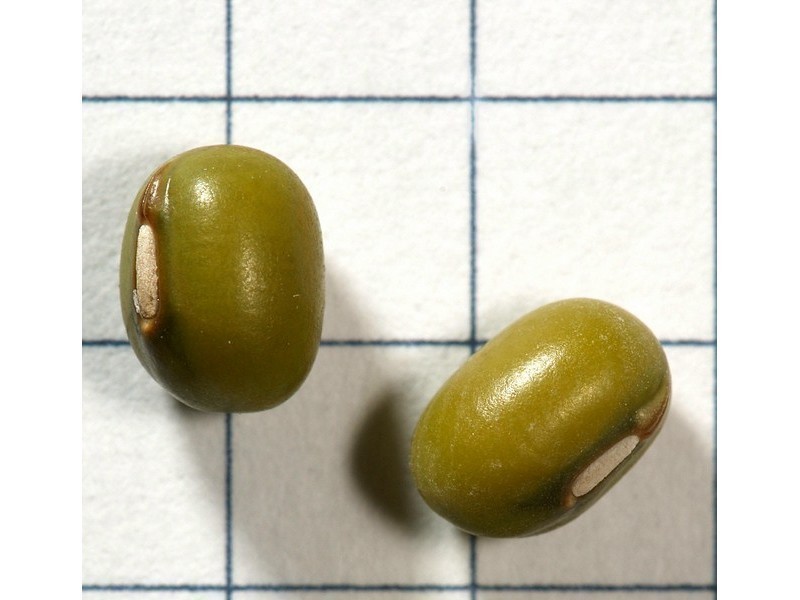
المَاشُ أو المَجُّ أو المَجَّةُ أو المُجَاجُ أو اللوبياء الشعاعية (الاسم العلمي:Vigna radiata) (بالإنجليزية: Mung bean) هي نوع من النباتات يتبع جنس اللوبياء من الفصيلة البقولية. وهو محصول نباتي زراعي من البقوليات ينحدر أصله من شبه قارة الهند وكانت تنتشر زراعته في
،عزاءنا العملاء
نود إبلاغكم بتغيير هام يتعلق برسوم الدفع. للاسف، وبسبب الرسوم المرتفعة للغاية التي يفرضها موقع PayPal، نحن مضطرون لإضافة رسوم إضافية عند الدفع عبر هذه الخدمة
ومع ذلك، لدينا الحل المناسب لكم! يمكنك تجنب هذه الرسوم الفلكية عبر اختيار إحدى طرق الدفع البديلة بدون أي عمولة:
✅ الدفع عبر البطاقة البنكية – عمولة 0% ✅ التحويل البنكي المباشر – عمولة 0%
للاستفادة من هذا التوفير، يرجى إتمام عملية الشراء مباشرة عبر موقعنا الإلكتروني الرسمي: 👉
شكراً لتفهمكم ولاختياركم بذورنا!
فريق Seeds Gallery
المَاشُ أو المَجُّ أو المَجَّةُ أو المُجَاجُ أو اللوبياء الشعاعية (الاسم العلمي:Vigna radiata) (بالإنجليزية: Mung bean) هي نوع من النباتات يتبع جنس اللوبياء من الفصيلة البقولية. وهو محصول نباتي زراعي من البقوليات ينحدر أصله من شبه قارة الهند وكانت تنتشر زراعته في الهند و باكستان و الصين و تايلاند و الفلبين و إندونيسيا و بورما و بنغلاديش و فيتنام و لاوس و كمبوديا وثم انتشرت زراعته في جنوب أوروبا وفي جنوب الولايات المتحدة وهو مكون من مشهيات وقرص حلو، وتشبه في شكلها البازلاء.
The mung bean (Vigna radiata), alternatively known as the moong bean, green gram, Lentil, but not Mungo, is a plant species in the legume family. Native to the Indian subcontinent, the mung bean is mainly cultivated today in India, China, and Southeast Asia. It is also cultivated in hot, dry regions in Southern Europe and the Southern United States. It is used as an ingredient in both savory and sweet dishes.
Description
The English word mung is derived from the Hindi word मूंग Moong derived from the Sanskrit word मुद्ग (mudga). In Tamil it is பாசி பருப்பு (paasi paruppu). In Telugu language it is called పెసర పప్పు (Pesara pappu). In Kannada, it is ಹೆಸರು ಬೇಳೆ (hesaru bele).
Taxonomy
They are one of many species recently moved from the genus Phaseolus to Vigna, and is still often seen incorrectly cited as Phaseolus aureus or Phaseolus radiatus.
Uses
Mung beans are commonly used in various cuisines across Asia.
Whole beans and mung bean paste
Whole cooked mung beans are generally prepared from dried beans by boiling until they are soft. Mung beans are light yellow in color when their skins are removed. Mung bean paste can be made by dehulling, cooking, and pulverizing the beans to a dry paste.
Although whole mung beans are also occasionally used in Indian cuisine, beans without skins are more commonly used; but in Kerala, whole mung beans are commonly boiled to make a dry preparation often served with rice gruel (kanji). Dehulled mung beans can also be used in a similar fashion as whole beans for the purpose of making sweet soups. Mung beans in some regional cuisines of India are stripped of their outer coats to make mung dal. In Tamil Nadu, Telangana and Andhra Pradesh, steamed whole beans are seasoned with spices and fresh grated coconut in a preparation called sundal. In south and north Indian states, mung beans are also eaten as pancakes. They are soaked in water for six to 12 hours (the higher the temperature, the lesser soaking time). Then they are ground into fine paste along with ginger and salt. Then pancakes are made on a very hot griddle. These are usually eaten for breakfast. This provides high quality protein that is rare in most Indian regional cuisines. Pongal or kichdi is another recipe that is made with rice and mung beans without skin. In Kerala, it is commonly used to make the parippu preparation in the Travancore region (unlike Cochin and Malabar, where toor dal, tuvara parippu, is used). It is also used, with coconut milk and jaggery, to make a type of payasam.
In Chinese cuisine, whole mung beans are used to make a tángshuǐ, or dessert, otherwise literally translated, "sugar water", called lǜdòu tángshuǐ, which is served either warm or chilled. In Indonesia, they are made into a popular dessert snack called es kacang hijau, which has the consistency of a porridge. The beans are cooked with sugar, coconut milk, and a little ginger.
In Hong Kong, dehulled mung beans and mung bean paste are made into ice cream or frozen ice pops. Mung bean paste is used as a common filling for Chinese mooncakes in East China and Taiwan. Also in China, the boiled and shelled beans are used as filling in glutinous rice dumplings eaten during the dragon boat festival (端午节).[4] The beans may also cooked until soft, blended into a liquid, sweetened, and served as a beverage, popular in many parts of China.
In the Philippines, ginisáng monggó (sautéed mung bean stew), also known as monggó guisado or balatong, is a savoury stew of whole mung beans with shrimp or fish. It is traditionally served on Fridays of Lent, when the majority Roman Catholic Filipinos traditionally abstain from meat. Variants of ginisáng monggó may also be made with chicken or pork.
Mung bean paste is also a common filling of pastries known as hopia (or bakpia) popular in Indonesia, the Philippines and further afield in Guyana (where it is known as black eye cake) and originating from southern China
Bean sprouts
Mung bean sprouts are germinated by leaving them in water for four hours of daytime light and spending the rest of the day in the dark. Mung bean sprouts can be grown under artificial light for four hours over the period of a week. They are usually simply called "bean sprouts". However, when bean sprouts are called for in recipes, it generally refers to mung bean or soybean sprouts.
Mung bean sprouts are stir-fried as a Chinese vegetable accompaniment to a meal, usually with garlic, ginger, spring onions, or pieces of salted dried fish to add flavour. Uncooked bean sprouts are used in filling for Vietnamese spring rolls, as well as a garnish for phở. They are a major ingredient in a variety of Malaysian and Peranakan cuisine, including char kway teow, hokkien mee, mee rebus, and pasembor. In Korea, slightly cooked mung bean sprouts, called sukjunamul (hangul: 숙주나물), are often served as a side dish. They are blanched (placed into boiling water for less than a minute), immediately cooled in cold water, and mixed with sesame oil, garlic, salt, and often other ingredients. In the Philippines, mung bean sprouts are made into lumpia rolls called lumpiang togue.
In northern China and Korea, soybean sprouts, called kongnamul (hangul: 콩나물) in Korean, are more widely used in a variety of dishes.
Starch
Mung bean starch, which is extracted from ground mung beans, is used to make transparent cellophane noodles (also known as bean thread noodles, bean threads, glass noodles, fensi (粉絲), tung hoon (冬粉), miến, bún tàu, or bún tào). Cellophane noodles become soft and slippery when they are soaked in hot water. A variation of cellophane noodles, called mung bean sheets or green bean sheets, are also available. In Korea, a jelly called nokdumuk (hangul: 녹두묵; also called cheongpomuk; hangul: 청포묵) is made from mung bean starch; a similar jelly, colored yellow with the addition of gardenia coloring, is called hwangpomuk (hangul: 황포묵). In northern China, mung bean jelly is called liangfen (凉粉, meaning chilled bean jelly), which is very popular food during summer. Jidou liangfen is another flavor of mung bean jelly food in Yunnan, in southern China.
Mung batter is used to make crepes named pesarattu in Andhra Pradesh, India and pancakes named Bindaetteok in Korea.
History of domestication and cultivation
The mung bean was domesticated in India, where its progenitor (Vigna radiata subspecies sublobata) occurs wild.[8][9] Archaeological evidence has turned up carbonized mung beans on many sites in India. Areas with early finds include the eastern zone of the Harappan civilization in Punjab and Haryana, where finds date back about 4500 years, and South India in the modern state of Karnataka where finds date back more than 4000 years. Some scholars therefore infer two separate domestications in the northwest and south of India. In South India there is evidence for evolution of larger-seeded mung beans 3500 to 3000 years ago. By about 3500 years ago mung beans were widely cultivated throughout India. Cultivated mung beans later spread from India to China and Southeast Asia. Archaeobotanical research at the site of Khao Sam Kaeo in southern Thailand indicates that mung beans had arrived in Thailand by at least 2200 years ago. Finds on Pemba Island indicate that during the era of Swahili trade, in the 9th or 10th century, mung beans also came to be cultivated in Africa.


Your review appreciation cannot be sent
Report comment
Report sent
Your report cannot be sent
اكتب تعليقك
Review sent
Your review cannot be sent
🌍 شحن لجميع أنحاء العالم من الاتحاد الأوروبي
نشحن إلى جميع أنحاء العالم من الاتحاد الأوروبي عبر البريد الجوي المسجل مع توقيع إلزامي عند الاستلام.
📦 تتبع طلبك
للعثور على رقم التتبع الخاص بك، قم بتسجيل الدخول إلى حسابك وانتقل إلى: سجل الطلبات > التفاصيل. رقم التتبع الخاص بك موجود مباشرة داخل تفاصيل الطلب.
ستتلقى إشعارات عبر البريد الإلكتروني لكل مرحلة من مراحل طلبك.
إذا لم تصلك هذه الرسائل، يرجى التحقق من مجلد الرسائل غير المرغوب فيها (Spam) أو الاتصال بمزود خدمة البريد الإلكتروني الخاص بك. بدلاً من ذلك، ابحث عبر الإنترنت عن كيفية إلغاء حظر رسائل البريد الإلكتروني للمرسل.
خدمة البريد الإلكتروني لدينا تعمل — إذا لم تستلم رسائل البريد الإلكتروني، فمن المحتمل أن تكون المشكلة في مزود البريد أو الإعدادات الخاصة بك.
📧 كيف تضمن وصول رسائل متجرنا إلى بريدك الوارد دائماً
لمنع تصنيف رسائلنا كرسائل مزعجة، أضف عنوان بريدنا الإلكتروني إلى جهات اتصالك:
افتح Gmail (أو أي مزود آخر) وابحث عن رسالة منا (support@seeds-gallery.shop).
مرر الفأرة فوق اسم المرسل أو عنوان بريده الإلكتروني.
اضغط على أيقونة "إضافة إلى جهات الاتصال" (أيقونة الشخص الصغيرة).
لا يمكننا مساعدتك إذا لم تكن إعداداتك بهذا الشكل. اتصل بمزود البريد الإلكتروني الخاص بك للحصول على المساعدة.
بدلاً من ذلك، أنشئ فلتراً في Gmail:
افتح Gmail واذهب إلى الإعدادات > عرض جميع الإعدادات.
اذهب إلى علامة تبويب الفلاتر والعناوين المحظورة.
اضغط على إنشاء فلتر جديد وأدخل عنوان بريدنا الإلكتروني.
اختر عدم الإرسال مطلقاً إلى البريد العشوائي واضغط على إنشاء فلتر.
📍 تتبع طردك
رقم التتبع الخاص بك موجود في تفاصيل طلبك. يمكنك تتبع طلبك عبر المنصات التالية:
⚠️ تنبيهات هامة
الدفع عند الاستلام غير متاح.
عند الطلب، يرجى دائماً تقديم رقم هاتف محمول صالح مع رمز الدولة (مثلاً: 576 7686 456 365+).
لا تطلب إلى صناديق البريد (P.O. Boxes)، أو إذا كنت لا تستطيع التواجد في المنزل للتوقيع على الطرد. لا يمكن ترك الطرود لدى الجيران.
إذا فُقد طرد أرسل إلى صندوق بريد أو لم يتم تسليمه، فلن يتم استرداد أي مبلغ.
⚖️ مسؤولية العميل عن الامتثال القانوني
العميل مسؤول عن التأكد من أن المنتج قانوني للاستيراد إلى بلده، بما في ذلك الامتثال لجميع لوائح الاستيراد، والحصول على التصاريح اللازمة، ودفع الرسوم الجمركية والضرائب وأي رسوم أخرى سارية. يرجى مراجعة القوانين المحلية قبل الطلب.
🔄 الطرود المفقودة، المرتجعة والمعاد شحنها
عملاء البرازيل والمكسيك: لا يمكننا استرداد قيمة الطرود المفقودة أو التي دمرتها الجمارك.
إذا تمت إعادة طردك، فسنقوم برد تكلفة المنتج فقط — تكاليف الشحن غير قابلة للاسترداد.
يجب على العميل تحمل رسوم البريد المرتجع (2 يورو) وأي تكاليف لإعادة الشحن.
🚚 تسليم الشحنة
الشحنات المسجلة تتطلب توقيعاً.
إذا أظهر التتبع أن الطرد لا يزال في مكتب بريد المصدر، فهو في مرحلة العبور — اتصل بمكتب البريد المحلي لديك للحصول على تحديثات.
للأسف، لا يمكننا ولا لمكتب البريد الذي أرسل منه طلبك مساعدتك في معرفة مكان طلبك بالضبط. عندما ترى أن الطرد في بلدك، يجب عليك الاتصال بمكتب البريد الخاص بك مع رقم التتبع.
⏱️ خيارات التسليم والأوقات المقدرة
| خيار التسليم | وقت المعالجة | ملاحظات |
| Priority Delivery | يشحن في غضون 1–7 أيام عمل | الأولوية في معالجة الطلبات؛ تأخيرات محتملة في العطلات (3–10 أيام) |
| Secured Delivery | يشحن في غضون 1–7 أيام عمل | متاح للطلبات حتى 150 يورو؛ استرداد المبلغ في حالة الفقدان |
| Standard Delivery | يشحن في غضون 7–10 أيام عمل | أكثر اقتصاداً؛ تأخيرات محتملة في العطلات (7–14 يوماً) |
أوقات التسليم المقدرة:
داخل الاتحاد الأوروبي: 3–20 يوماً
بقية العالم: 5–30 يوماً
ملاحظة: تعتمد أوقات التسليم على موقعك والنظام البريدي المحلي. قد يسبب كوفيد-19 أو مواسم العطلات تأخيرات إضافية.
💰 تكاليف الشحن
يتم حساب رسوم الشحن والمناولة تلقائياً عند الدفع بناءً على وزن الطرد والوجهة.
⏰ ساعات معالجة الطلبات
نحن لا نعالج أو نشحن الطلبات يومي السبت أو الأحد.
💳 خيارات الدفع
نود إبلاغكم بتغيير هام فيما يتعلق برسوم الدفع. للأسف، نظراً لرسوم المعاملات المرتفعة بشكل استثنائي التي تفرضها PayPal، فنحن مضطرون لتطبيق رسوم إضافية للمدفوعات التي تتم عبر خدمتهم.
ومع ذلك، لدينا حل لكم! يمكنك تجنب هذه الرسوم الفلكية باختيار أحد طرق الدفع البديلة لدينا بدون عمولة:
✅ الدفع ببطاقة الائتمان/الخصم – عمولة 0%
✅ التحويل البنكي – عمولة 0%
التحويل البنكي (SEPA / IBAN / SWIFT-BIC): قم بتضمين مرجع طلبك في وصف الدفع. الطلبات التي لم يتم دفعها في غضون 4 أيام سيتم إلغاؤها تلقائياً.
PayPal: يتم قبول المدفوعات باليورو فقط. يرجى اختيار اليورو عند الدفع.
الدفع بالبطاقة: للدفع بالبطاقة، قم بزيارة موقعنا الشريك:
نقبل الفيزا، ماستركارد، أمريكان إكسبريس، CB، داينرز كلوب، ديسكفر، تشاينا يونيون باي، وJCB.
⚠️ رسوم المعاملات
العملاء مسؤولون عن أي رسوم معاملات بنكية أو خاصة بـ PayPal.
📝 ملاحظات نهائية
قبل تقديم طلبك، تحقق دائماً من موقعنا للحصول على إشعارات خاصة، أو جداول العطلات، أو شروط شحن محددة.
check_circle
check_circle