- +00 123 4567
- support@seeds-gallery.shop
over 2000 different plant seeds
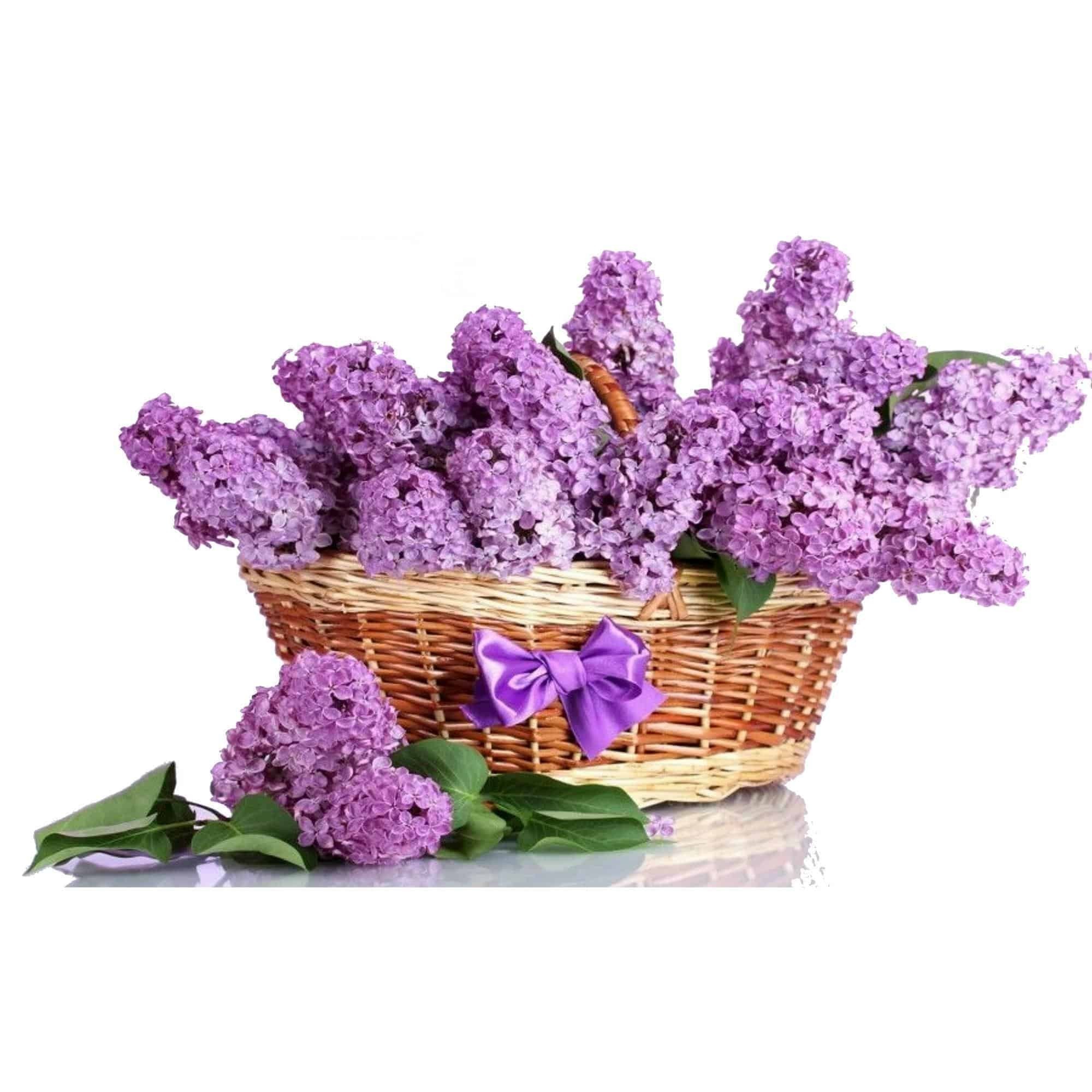


Syringa vulgaris originates from Europe. Great bonsai tree potential. If left to grow naturally, it reaches 8 to 10 feet tall. A small tree that with age develops deeply furrowed bark. This species of Lilac produces
Vážení zákazníci,
rádi bychom vás informovali o důležité změně týkající se platebních poplatků. Bohužel jsme vzhledem k extrémně vysokým poplatkům ze strany společnosti PayPal nuceni účtovat u této platební metody příplatek.
Máme však pro vás řešení! Těmto astronomickým poplatkům se můžete vyhnout, pokud zvolíte jednu z našich alternativních platebních metod ZCELA BEZ PROVIZE:
✅ Platba platební kartou – 0 % provize ✅ Bankovní převod – 0 % provize
Chcete-li využít této úspory, proveďte prosím nákup přímo prostřednictvím našich oficiálních webových stránek: 👉
Děkujeme za pochopení a za to, že si vybíráte naše semena!
Váš tým Seeds Gallery
Syringa vulgaris originates from Europe. Great bonsai tree potential. If left to grow naturally, it reaches 8 to 10 feet tall. A small tree that with age develops deeply furrowed bark. This species of Lilac produces suckers new shoots that sprout from the base of the shrub, or from the roots. Is very tolerant of hard pruning necessary for bonsai cultivation. Green heart-shaped leaves are smooth and appear before the flowers bloom. At Fall, the leaves turn yellow-green. The light purple flowers grow in large clusters, from May to June and have one of the most powerful fragrances emitted by a plant. Hardiness zones 3-7, (-15ºC/5ºF, -37ºC/-35ºF) in Winter. Adptable to a wide range of soils. Lilacs prefer well-drained, slightly alkaline soil and plenty of sunshine for optimum growth and blooming. Although Lilacs love water, they don't enjoy soggy soil. Without proper drainage, Lilacs will do little growing and produce fewer blossoms.
Germination
For faster germination, soak the seeds in slightly hot water for 24-48 hours, followed by one month of cold stratification before sowing at 1/4" deep in sterile gardening soil. Keep damp soil, not soaking wet. Keep pot in warm situation 68-75ºF. Germination usually occurs in 2-4 weeks. It can be a lot more depending on their degree of unbroken dormancy, don't give up.
Scarification / Stratification
This will break their dormancy. It creates a cold and moist environment for the seeds. Mixed in seeds with slightly moistened vermiculite or peat, only damp in a ziplock bag. Close zip bag shut and store it in the salad crisper compartment of your refrigerator. If any seeds begin to sprout during the cold stratification, simply remove the seed and plant.
WIKIPEDIA:
Syringa vulgaris (lilac or common lilac) is a species of flowering plant in the olive family Oleaceae, native to the Balkan Peninsula, where it grows on rocky hills. This species is widely cultivated as an ornamental and has been naturalized in other parts of Europe (UK, France, Germany, Italy, etc.), as well as much of North America. It is not regarded as an aggressive species, found in the wild in widely scattered sites, usually in the vicinity of past or present human habitations.
S. vulgaris is a large deciduous shrub or multistemmed small tree, growing to 6–7 m (20–23 ft) high, producing secondary shoots ("suckers") from the base or roots, with stem diameters up to 20 cm (8 in), which in the course of decades may produce a small clonal thicket.[7] The bark is grey to grey-brown, smooth on young stems, longitudinally furrowed, and flaking on older stems. The leaves are simple, 4–12 cm (2–5 in) and 3–8 cm broad, light green to glaucous, oval to cordate, with pinnate leaf venation, a mucronate apex, and an entire margin. They are arranged in opposite pairs or occasionally in whorls of three. The flowers have a tubular base to the corolla 6–10 mm long with an open four-lobed apex 5–8 mm across, usually lilac to mauve, occasionally white. They are arranged in dense, terminal panicles 8–18 cm (3–7 in) long. The fruit is a dry, smooth, brown capsule, 1–2 cm long, splitting in two to release the two-winged seeds.
Garden history
Lilacs — both S. vulgaris and S. × persica the finer, smaller "Persian lilac", now considered a natural hybrid — were introduced into European gardens at the end of the 16th century, from Ottoman gardens, not through botanists exploring the Balkan habitats of S. vulgaris.[12] The Holy Roman Emperor's ambassador, Ogier Ghiselin de Busbecq, is generally credited with supplying lilac slips to Carolus Clusius, about 1562. Well-connected botanists, such as the great herbalist John Gerard, soon had the rarity in their gardens: Gerard noted that he had lilacs growing “in very great plenty” in 1597, but lilacs were not mentioned by Shakespeare,[13] and John Loudon was of the opinion that the Persian lilac had been introduced into English gardens by John Tradescant the elder.[14] Tradescant's Continental source for information on the lilac, and perhaps ultimately for the plants, was Pietro Andrea Mattioli, as one can tell from a unique copy of Tradescant's plant list in his Lambeth garden, an adjunct of his Musaeum Tradescantianum; it was printed, though probably not published, in 1634: it lists Lilac Matthioli. That Tradescant's "lilac of Mattioli's" was a white one is shown by Elias Ashmole's manuscript list, Trees found in Mrs Tredescants Ground when it came into my possession (1662):[15] "Syringa alba".
In the American colonies, lilacs were introduced in the 18th century. Peter Collinson, F.R.S., wrote to the Pennsylvania gardener and botanist John Bartram, proposing to send him some, and remarked that John Custis of Virginia had a fine "collection", which Ann Leighton interpreted as signifying common and Persian lilacs, in both purple and white, "the entire range of lilacs possible" at the time.
Cultivation
The lilac is a very popular ornamental plant in gardens and parks, because of its attractive, sweet-smelling flowers, which appear in early summer just before many of the roses and other summer flowers come into bloom.
In late summer, lilacs can be attacked by powdery mildew, specifically Erysiphe syringae, one of the Erysiphaceae.[18] No fall color is seen and the seed clusters have no aesthetic appeal.
Common lilac tends to flower profusely in alternate years, a habit that can be improved by deadheading the flower clusters after the color has faded and before seeds, few of which are fertile, form. At the same time, twiggy growth on shoots that have flowered more than once or twice can be cut to a strong, outward-growing side shoot.
It is widely naturalised in western and northern Europe.[8] In a sign of its complete naturalization in North America, it has been selected as the state flower of the state of New Hampshire, because it "is symbolic of that hardy character of the men and women of the Granite State".[19] Additional hardiness, for Canadian gardens, was bred for in a series of S. vulgaris hybrids by Isabella Preston, who introduced many of the later-blooming varieties, whose later-developing flower buds are better protected from late spring frosts; the Syringa x prestoniae hybrids range primarily in the pink and lavender shades


Vaše hodnocení nelze odeslat
Nahlásit komentář
Zpráva odeslána
Váš podnět nelze odeslat
Napište svůj názor
Zkontrolovat před odesláním
Vaši recenzi nelze odeslat
🌍 Celosvětová doprava z EU
Odesíláme do celého světa z Evropské unie doporučenou leteckou poštou s nutností podpisu při převzetí.
📦 Sledování vaší objednávky
Chcete-li najít své sledovací číslo, přihlaste se ke svému účtu a přejděte na: Historie objednávek > Podrobnosti. Vaše sledovací číslo se nachází přímo v podrobnostech objednávky.
O každé fázi vaší objednávky budete informováni e-mailem.
Pokud tyto zprávy nevidíte, zkontrolujte prosím složku Spam/Nevyžádaná pošta nebo kontaktujte svého poskytovatele e-mailu. Případně vyhledejte online, jak odblokovat e-maily odesílatele.
NÁŠ E-MAILOVÝ SERVIS FUNGUJE — Pokud e-maily nedostáváte, je to pravděpodobně problém vašeho poskytovatele e-mailu nebo nastavení.
📧 Jak zajistit, aby e-maily z našeho e-shopu vždy skončily ve vaší doručené poště
Abyste zabránili označování našich e-mailů jako spam, přidejte si naši e-mailovou adresu do svých kontaktů:
Otevřete Gmail (nebo jiného poskytovatele) a najděte e-mail od nás (support@seeds-gallery.shop).
Najeďte myší na jméno nebo e-mailovou adresu odesílatele.
Klikněte na ikonu "Přidat do kontaktů" (ikona postavy).
Pokud vaše nastavení nebude takové, nemůžeme vám pomoci. O pomoc požádejte svého poskytovatele e-mailu.
Případně vytvořte filtr v Gmailu:
Otevřete Gmail a přejděte na Nastavení > Zobrazit všechna nastavení.
Přejděte na kartu Filtry a zablokované adresy.
Klikněte na Vytvořit nový filtr a zadejte naši e-mailovou adresu.
Zaškrtněte Nikdy neposílat do složky Spam a klikněte na Vytvořit filtr.
📍 Sledování zásilky
Vaše sledovací číslo se nachází v podrobnostech vaší objednávky. Svou objednávku můžete sledovat prostřednictvím následujících platforem:
⚠️ Důležitá upozornění
Platba na dobírku NENÍ k dispozici.
Při objednávce vždy uveďte platné mobilní číslo s předvolbou země (např. +420 123 456 789).
NEOBJEDNÁVEJTE na poštovní přihrádky (P.O. Boxy) nebo pokud nemůžete být doma a zásilku podepsat. Zásilky nelze nechat u sousedů.
Pokud se zásilka zaslaná do P.O. Boxu ztratí nebo nebude doručena, nebude poskytnuta žádná náhrada.
⚖️ Odpovědnost zákazníka za dodržování právních předpisů
Zákazník je odpovědný za zajištění toho, aby byl produkt legální pro dovoz do jeho země, včetně dodržování všech dovozních předpisů, získání nezbytných povolení a zaplacení příslušných cel, daní a dalších poplatků. Před objednáním si prosím ověřte místní zákony.
🔄 Ztracené, vrácené a znovu zaslané zásilky
Zákazníci z Brazílie a Mexika: Nemůžeme vrátit peníze za zásilky ztracené nebo zničené celními orgány.
Pokud se vaše zásilka vrátí, vrátíme vám pouze náklady na produkt — náklady na dopravu se nevracejí.
Poštovné za vrácení (2 €) a veškeré náklady na opětovné zaslání musí uhradit zákazník.
🚚 Doručení zásilky
Doporučené zásilky vyžadují podpis.
Pokud sledování ukazuje, že zásilka je stále na výchozí poště, je na cestě — kontaktujte svou místní poštu pro aktuální informace.
Bohužel ani my, ani pošta, přes kterou byla vaše objednávka odeslána, vám nemůžeme pomoci s otázkou, kde přesně se vaše objednávka nachází. Jakmile uvidíte, že je zásilka ve vaší zemi, MUSÍTE kontaktovat svou poštu se sledovacím číslem.
⏱️ Možnosti doručení a odhadované časy
| Možnost doručení | Čas zpracování | Poznámky |
| Priority Delivery | Odeslání do 1–7 pracovních dnů | Prioritní zpracování objednávky; během svátků možná zpoždění (3–10 dní) |
| Secured Delivery | Odeslání do 1–7 pracovních dnů | Dostupné pro objednávky do 150 €; vrácení peněz v případě ztráty |
| Standard Delivery | Odeslání do 7–10 pracovních dnů | Ekonomičtější; během svátků možná zpoždění (7–14 dní) |
Odhadované dodací lhůty:
V rámci EU: 3–20 dní
Celosvětově: 5–30 dní
Poznámka: Dodací lhůty závisí na vaší lokalitě a místním poštovním systému. COVID-19 nebo svátky mohou způsobit další zpoždění.
💰 Náklady na dopravu
Poštovné a balné se vypočítá automaticky při dokončení objednávky na základě hmotnosti zásilky a místa určení.
⏰ Doba zpracování objednávek
O víkendech (v sobotu a v neděli) objednávky nezpracováváme ani neodesíláme.
💳 Možnosti platby
Rádi bychom vás informovali o důležité změně týkající se poplatků za platby. Bohužel vzhledem k výjimečně vysokým transakčním poplatkům účtovaným společností PayPal jsme nuceni u plateb provedených prostřednictvím jejich služby uplatnit příplatek.
Máme však pro vás řešení! Těmto astronomickým poplatkům se můžete vyhnout výběrem jedné z našich alternativních platebních metod s NULOVOU PROVIZÍ:
✅ Platba kreditní/debetní kartou – 0 % poplatek
✅ Bankovní převod – 0 % poplatek
Bankovní převod (SEPA / IBAN / SWIFT-BIC): Do popisu platby uveďte referenční číslo objednávky. Objednávky bez platby do 4 dnů budou automaticky zrušeny.
PayPal: Platby jsou přijímány pouze v eurech. Při platbě zvolte měnu Euro.
Platba kartou: Pro platby kartou navštivte naše partnerské stránky:
Přijímáme karty Visa, MasterCard, American Express, CB, Diners Club, Discover, China UnionPay, JCB a Discover.
⚠️ Transakční poplatky
Zákazníci jsou zodpovědní za veškeré bankovní poplatky nebo transakční poplatky PayPal.
📝 Závěrečné poznámky
Před odesláním objednávky si vždy zkontrolujte naše webové stránky, zda neobsahují zvláštní upozornění, rozpisy svátků nebo konkrétní dodací podmínky.
check_circle
check_circle