- +00 123 4567
- support@seeds-gallery.shop
over 2000 different plant seeds
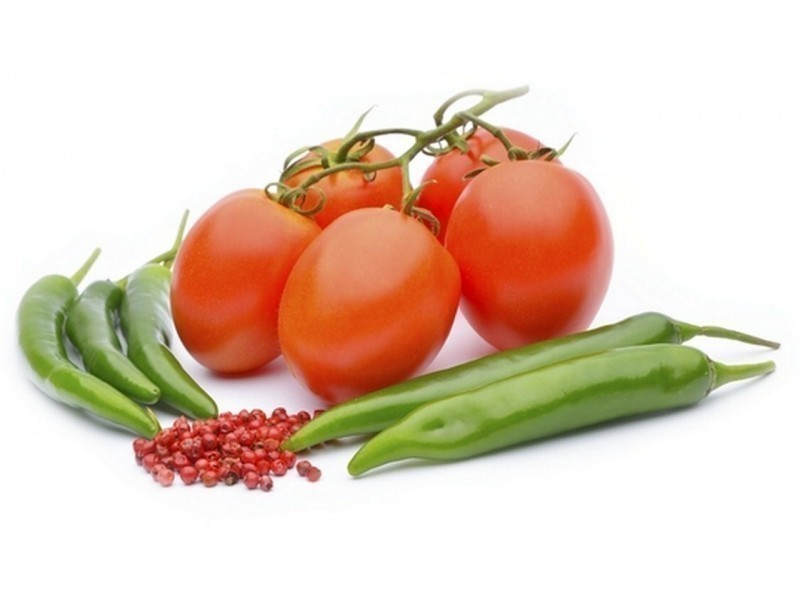
Sowing Instructions Tomatoes - Chili
Site & Soil
Tomatoes are warm-season plants and should be planted only after danger of frost has passed. Temperature is an important factor in the production of tomatoes, which are particularly sensitive to low night temperatures. Blossom drop can occur in early spring when daytime temperatures are warm,
Vážení zákazníci,
rádi bychom vás informovali o důležité změně týkající se platebních poplatků. Bohužel jsme vzhledem k extrémně vysokým poplatkům ze strany společnosti PayPal nuceni účtovat u této platební metody příplatek.
Máme však pro vás řešení! Těmto astronomickým poplatkům se můžete vyhnout, pokud zvolíte jednu z našich alternativních platebních metod ZCELA BEZ PROVIZE:
✅ Platba platební kartou – 0 % provize ✅ Bankovní převod – 0 % provize
Chcete-li využít této úspory, proveďte prosím nákup přímo prostřednictvím našich oficiálních webových stránek: 👉
Děkujeme za pochopení a za to, že si vybíráte naše semena!
Váš tým Seeds Gallery
Start: Seeds or seedlings
Germination: 7 to 25 days, 20°C to 35°C
Seed Life (viability): 3-4 years
Soil: Well drained
Sunlight: Full sun
Sow Seeds: 45 - 60 cm apart
Thin to: 45 - 60 cm apart
Ave. Days to Harvest: 65 to 100
Good Companions: Basil, Carrots, Chives, Garlic, Leeks, Marjoram, Onion, Oregano, Tomatoes, Yarrow
Bad Companions: Fennel, Kohlrabi
Germination
Some peppers (Bird and other small wild peppers) require extreme measures like bleaching or feeding to birds to get them to germinate. Luckily most peppers will germinate fine without such measures. Sow the seed 1/2cm deep in a well-drained starting medium. Seeds require a warm environment to germinate; your growing medium should be between 20 - 35 degrees C with 30C being the ideal. Using a heat mat (available at home and garden stores, hardware stores and even pet shops) can help to ensure ideal conditions. Additionally, young starts will fare much better with additional light. Place in a window or sunny location that receives lots of sun exposure. Consider supplementing with artificial lighting if possible.
My method is to setup a warming tray using a few off the shelf components.
First, prepare the starter packs by cutting 8 of the 9 cell packs into individual cell carriers. Fill each 1 cell with a high quality seed starting mix and insert the single cells into the 9 cell starting packs. The individual cell in the 9 cell carrier allows individual movement of seedlings to grow lights. Place between 2 & 3 seeds in each cell (or other quantity based on predicted germination ratio). Insert seeded cells into 9 cell groups and arrange in plastic tray. When the tray is full, cover and set it over the heating pad. Set the heating pad off at the highest setting and monitor the temperature with digital thermometer. Optimum soil temperature is 85 degrees F, adjust accordingly to maintain this temperature.
Lighting
Adjacent to the germination trays overhead fluorescent grow light setup. When a seed germinates, move it out off of the heat pads and under the lights as soon as it breaks ground. It is crucial to grow a healthy plant so cull anything less than perfect. Also, be sure to label plants well as it is easy to get mixed up when you have several different types of pepper in each 9 pack. Print labels on transparent envelope labels (Avery #2660 ) and cut/stick them on plastic stakes.
Outside
Set plants out 2 to 3 weeks after the last frost when the soil has warmed and the weather has settled. Peppers can be temperamental when it comes to setting fruit if temperatures are too hot or too cool. Nighttime temperatures below 15C or above 23C can reduce fruit set.
Tip: Wait until soil temperatures exceed 10 degrees C at all times before placing into the ground. Pepper plants can be fairly close to one another, so that there is slight contact between plants. For at least a few weeks, bring them indoors at night. After 2 to 3 weeks of this routine, leave them outside.
Transplanting
Between April and June, most peppers will need to be transplanted into larger containers. Sterilize and reuse plastic containers of varying sizes for all plants. I don’t have any specific guidelines for when to transplant. When the plant looks small for it’s pot, it’s time to move. Use regular potting soil available almost anywhere. Be sure to keep the plants well hydrated. Also it is best to transplant when it is not excessively hot, this lessens the impact of transplant shock. Fertilize after a week.
Growing
Peppers need a steady supply of water for best performance but be careful not to overwater. A well drained soil will prevent waterlogging. If fertilizing, be careful not to overdo it on nitrogen as this will give you nice lush and leafy plants but will deter fruit growth. Organic fertilizers and soil should be rich in phosphorus, potassium and calcium.
Mulching with black plastic or similar material is a good way to maintain heat and soil moisture. Additionally, floating row covers over your beds can help to protect against cold early in the growing season. Use caution with row covers not to overheat plants and cause them to drop their blossoms.
Tip: Stake tall varieties for earlier and heavier harvest.
In the Garden
By May, most peppers can move out of to enjoy natural unfiltered sunlight. Plant baccatum peppers in the ground between 1-2 feet apart. It is recommend planting in containers the first year but if you must plant in the ground, give them at least 2 feet from neighbors and consider how you will add a trellis later. If the weather is slow to warm, it is helpful to cover the ground around the seedlings with plastic wrap. This helps elevate the soil temperature. It is also sometimes helpful to cover plants with mini greenhouses. To do this, cut the neck off of clear plastic 2 liter (or larger) bottles. Drill a large hole in the center of the clear plastic container and then place the container over the center stake that the chile is tied to. Make sure to drill air holes around the side of the container to provide for ventilation. If you do this, be sure to watch the temperature and remove when it gets warm.
In the Garden
Aji (baccatum) and rocotos (pubescens) both do great in containers. Baccatum can easily be grown and sometimes overwintered in 5 gallon containers. Rocotos is always recommend stay in containers the first year as they do not get that large the first year and it facilitates overwintering. First year rocotos should also go in 5 gallon containers. Use high quality potting soil that has both perlite and vermiculite (or add them). Aji and rocoto will both need some sort of support as they grow and especially when they start producing peppers.
Food
Potassium and phosphorus are important for flowering and fruiting plants but be careful about adding too much nitrogen. If you over use nitrogen, you’ll get a nice big robust plant, but no peppers. Use any fertilizer recommended for tomatoes — something with a low nitrogen ration like 1-3-3. If a soil test shows you need to add calcium and also raise the pH, add some limestone. If you need to add calcium but don’t want to affect the pH, use gypsum. Links on soil and additives. Fertilize as needed, usually every other week.
Harvesting
You can pick bell type peppers, when they are smaller, in the beginning of summer. They may be taken when they are the size of a golf ball and frequent picking will encourage near-continuous fruit production. Immature bell peppers are soft and pliable with thin pale walls.
Otherwise, take fully mature bell peppers when they are 10 to 12cm long and have full, well-formed lobes. The older the fruit is, the thicker the skin will be.
Tip: Allow peppers to ripen to their final color later in the season to get fruit of different colors. Ripe peppers may be yellow, red, orange or purple, depending on the variety. You can continue to harvest peppers until the first frost.

Vaše hodnocení nelze odeslat
Nahlásit komentář
Zpráva odeslána
Váš podnět nelze odeslat
Napište svůj názor
Zkontrolovat před odesláním
Vaši recenzi nelze odeslat
🌍 Celosvětová doprava z EU
Odesíláme do celého světa z Evropské unie doporučenou leteckou poštou s nutností podpisu při převzetí.
📦 Sledování vaší objednávky
Chcete-li najít své sledovací číslo, přihlaste se ke svému účtu a přejděte na: Historie objednávek > Podrobnosti. Vaše sledovací číslo se nachází přímo v podrobnostech objednávky.
O každé fázi vaší objednávky budete informováni e-mailem.
Pokud tyto zprávy nevidíte, zkontrolujte prosím složku Spam/Nevyžádaná pošta nebo kontaktujte svého poskytovatele e-mailu. Případně vyhledejte online, jak odblokovat e-maily odesílatele.
NÁŠ E-MAILOVÝ SERVIS FUNGUJE — Pokud e-maily nedostáváte, je to pravděpodobně problém vašeho poskytovatele e-mailu nebo nastavení.
📧 Jak zajistit, aby e-maily z našeho e-shopu vždy skončily ve vaší doručené poště
Abyste zabránili označování našich e-mailů jako spam, přidejte si naši e-mailovou adresu do svých kontaktů:
Otevřete Gmail (nebo jiného poskytovatele) a najděte e-mail od nás (support@seeds-gallery.shop).
Najeďte myší na jméno nebo e-mailovou adresu odesílatele.
Klikněte na ikonu "Přidat do kontaktů" (ikona postavy).
Pokud vaše nastavení nebude takové, nemůžeme vám pomoci. O pomoc požádejte svého poskytovatele e-mailu.
Případně vytvořte filtr v Gmailu:
Otevřete Gmail a přejděte na Nastavení > Zobrazit všechna nastavení.
Přejděte na kartu Filtry a zablokované adresy.
Klikněte na Vytvořit nový filtr a zadejte naši e-mailovou adresu.
Zaškrtněte Nikdy neposílat do složky Spam a klikněte na Vytvořit filtr.
📍 Sledování zásilky
Vaše sledovací číslo se nachází v podrobnostech vaší objednávky. Svou objednávku můžete sledovat prostřednictvím následujících platforem:
⚠️ Důležitá upozornění
Platba na dobírku NENÍ k dispozici.
Při objednávce vždy uveďte platné mobilní číslo s předvolbou země (např. +420 123 456 789).
NEOBJEDNÁVEJTE na poštovní přihrádky (P.O. Boxy) nebo pokud nemůžete být doma a zásilku podepsat. Zásilky nelze nechat u sousedů.
Pokud se zásilka zaslaná do P.O. Boxu ztratí nebo nebude doručena, nebude poskytnuta žádná náhrada.
⚖️ Odpovědnost zákazníka za dodržování právních předpisů
Zákazník je odpovědný za zajištění toho, aby byl produkt legální pro dovoz do jeho země, včetně dodržování všech dovozních předpisů, získání nezbytných povolení a zaplacení příslušných cel, daní a dalších poplatků. Před objednáním si prosím ověřte místní zákony.
🔄 Ztracené, vrácené a znovu zaslané zásilky
Zákazníci z Brazílie a Mexika: Nemůžeme vrátit peníze za zásilky ztracené nebo zničené celními orgány.
Pokud se vaše zásilka vrátí, vrátíme vám pouze náklady na produkt — náklady na dopravu se nevracejí.
Poštovné za vrácení (2 €) a veškeré náklady na opětovné zaslání musí uhradit zákazník.
🚚 Doručení zásilky
Doporučené zásilky vyžadují podpis.
Pokud sledování ukazuje, že zásilka je stále na výchozí poště, je na cestě — kontaktujte svou místní poštu pro aktuální informace.
Bohužel ani my, ani pošta, přes kterou byla vaše objednávka odeslána, vám nemůžeme pomoci s otázkou, kde přesně se vaše objednávka nachází. Jakmile uvidíte, že je zásilka ve vaší zemi, MUSÍTE kontaktovat svou poštu se sledovacím číslem.
⏱️ Možnosti doručení a odhadované časy
| Možnost doručení | Čas zpracování | Poznámky |
| Priority Delivery | Odeslání do 1–7 pracovních dnů | Prioritní zpracování objednávky; během svátků možná zpoždění (3–10 dní) |
| Secured Delivery | Odeslání do 1–7 pracovních dnů | Dostupné pro objednávky do 150 €; vrácení peněz v případě ztráty |
| Standard Delivery | Odeslání do 7–10 pracovních dnů | Ekonomičtější; během svátků možná zpoždění (7–14 dní) |
Odhadované dodací lhůty:
V rámci EU: 3–20 dní
Celosvětově: 5–30 dní
Poznámka: Dodací lhůty závisí na vaší lokalitě a místním poštovním systému. COVID-19 nebo svátky mohou způsobit další zpoždění.
💰 Náklady na dopravu
Poštovné a balné se vypočítá automaticky při dokončení objednávky na základě hmotnosti zásilky a místa určení.
⏰ Doba zpracování objednávek
O víkendech (v sobotu a v neděli) objednávky nezpracováváme ani neodesíláme.
💳 Možnosti platby
Rádi bychom vás informovali o důležité změně týkající se poplatků za platby. Bohužel vzhledem k výjimečně vysokým transakčním poplatkům účtovaným společností PayPal jsme nuceni u plateb provedených prostřednictvím jejich služby uplatnit příplatek.
Máme však pro vás řešení! Těmto astronomickým poplatkům se můžete vyhnout výběrem jedné z našich alternativních platebních metod s NULOVOU PROVIZÍ:
✅ Platba kreditní/debetní kartou – 0 % poplatek
✅ Bankovní převod – 0 % poplatek
Bankovní převod (SEPA / IBAN / SWIFT-BIC): Do popisu platby uveďte referenční číslo objednávky. Objednávky bez platby do 4 dnů budou automaticky zrušeny.
PayPal: Platby jsou přijímány pouze v eurech. Při platbě zvolte měnu Euro.
Platba kartou: Pro platby kartou navštivte naše partnerské stránky:
Přijímáme karty Visa, MasterCard, American Express, CB, Diners Club, Discover, China UnionPay, JCB a Discover.
⚠️ Transakční poplatky
Zákazníci jsou zodpovědní za veškeré bankovní poplatky nebo transakční poplatky PayPal.
📝 Závěrečné poznámky
Před odesláním objednávky si vždy zkontrolujte naše webové stránky, zda neobsahují zvláštní upozornění, rozpisy svátků nebo konkrétní dodací podmínky.
check_circle
check_circle