- +00 123 4567
- support@seeds-gallery.shop
over 2000 different plant seeds






Capparis spinosa, the caper bush, also called Flinders rose, is a perennial plant that bears rounded, fleshy leaves and large white to pinkish-white flowers. The plant is best known
Dear Customers,
We would like to inform you about an important change regarding payment fees. Unfortunately, due to the exceptionally high transaction fees imposed by PayPal, we are forced to apply a surcharge for payments made through their service.
However, we have a solution for you! You can avoid these astronomical fees by choosing one of our alternative payment methods with ZERO COMMISSION:
✅ Credit/Debit Card Payment – 0% Fee ✅ Bank Transfer – 0% Fee
To take advantage of these savings, please complete your purchase directly through our official website: 👉
Thank you for your understanding and for choosing our seeds!
Your Seeds Gallery Team
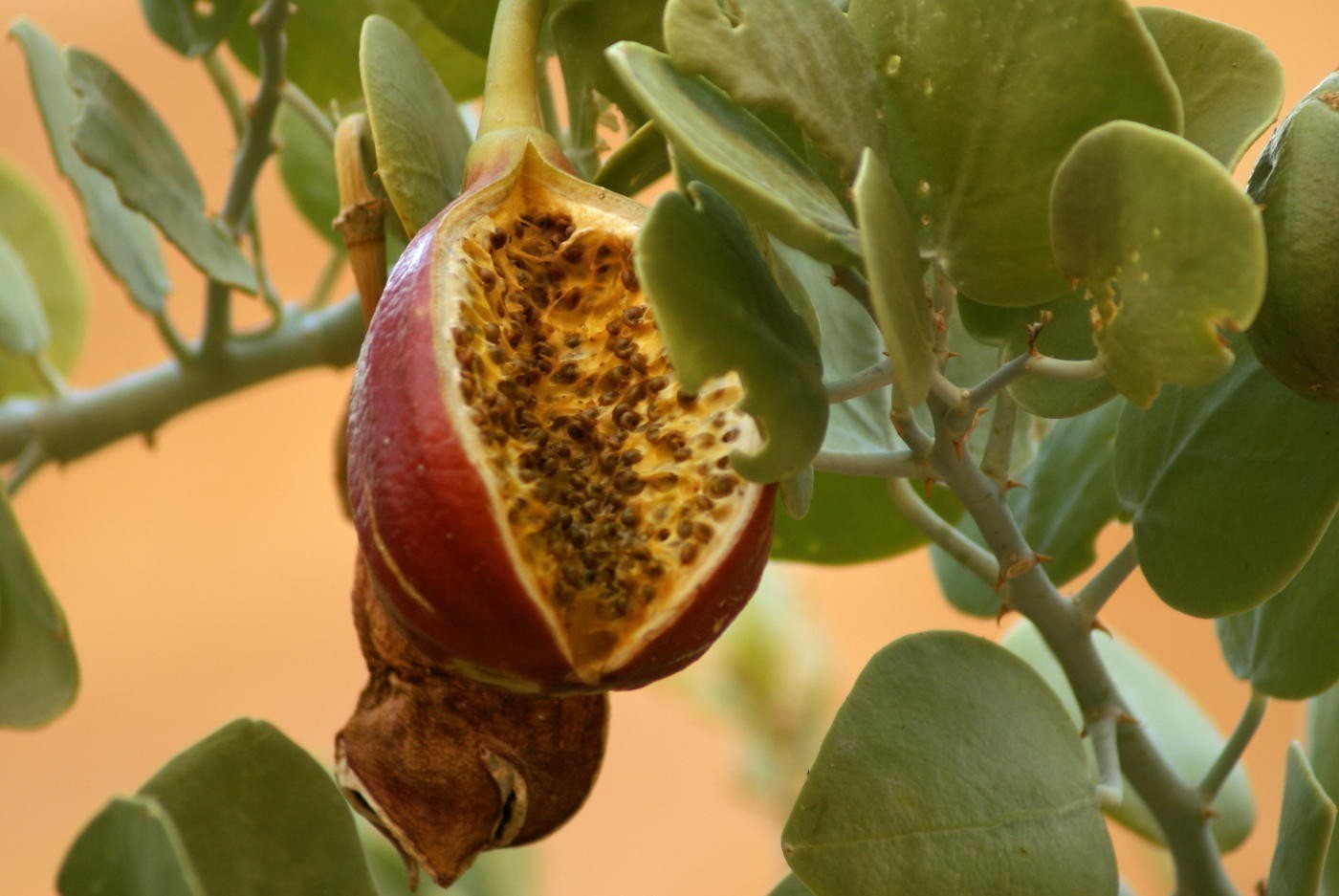
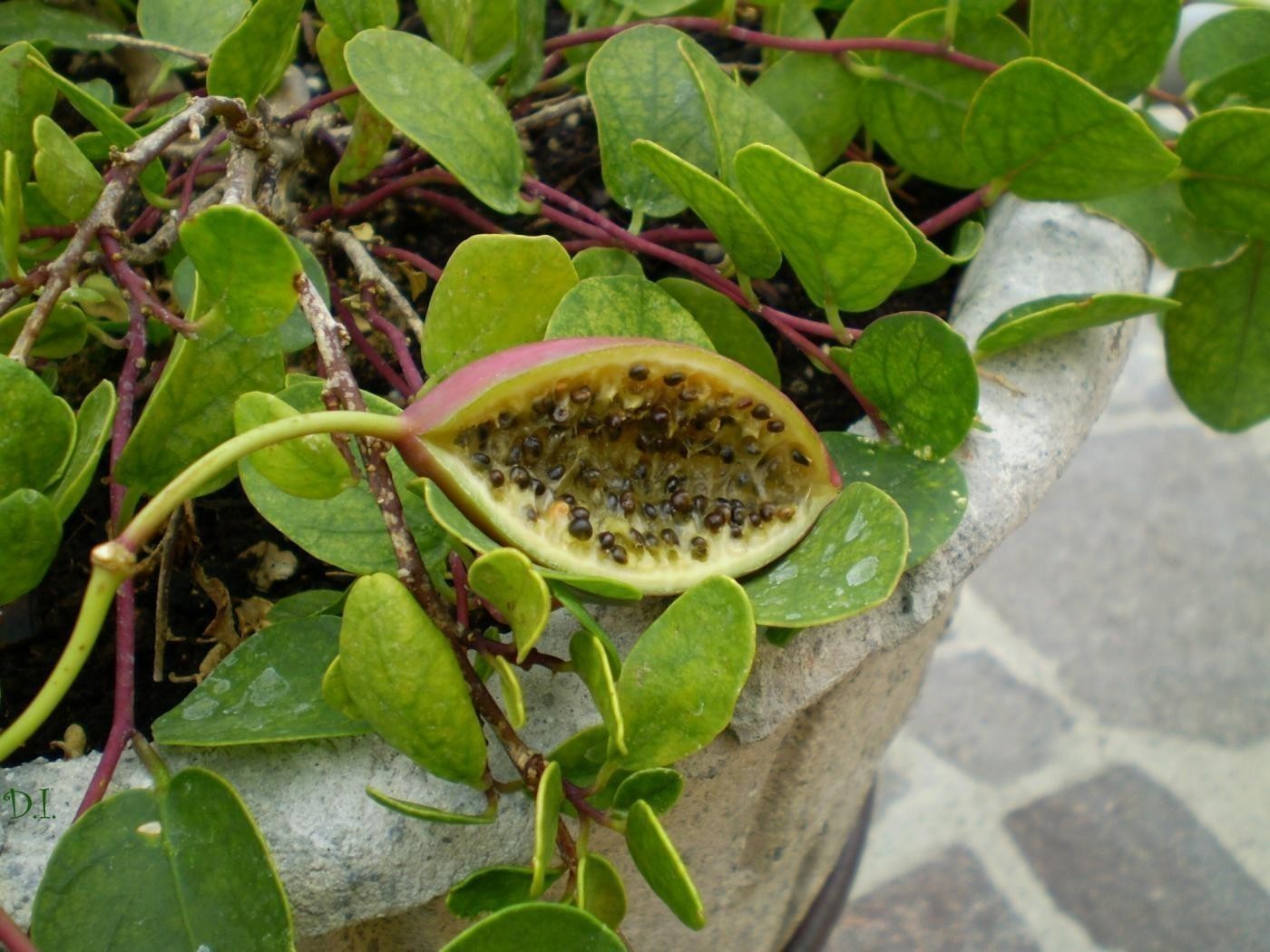
Capparis spinosa, the caper bush, also called Flinders rose, is a perennial plant that bears rounded, fleshy leaves and large white to pinkish-white flowers.
The plant is best known for the edible flower buds (capers), often used as a seasoning, and the fruit (caper berries), both of which are usually consumed pickled. Other species of Capparis are also picked along with C. spinosa for their buds or fruits. Other parts of Capparis plants are used in the manufacture of medicines and cosmetics.
Capparis spinosa is found in the wild in the Mediterranean, East Africa, Madagascar, South-Western and Central Asia, the Himalayas, the Pacific Islands, Indomalaya, and Australia.[6] It is present in almost all the circum-Mediterranean countries, and is included in the flora of most of them, but whether it is indigenous to this region is uncertain. Although the flora of the Mediterranean region has considerable endemism, the caper bush could have originated in the tropics, and later been naturalized to the Mediterranean basin.
The taxonomic status of the species is controversial and unsettled. Species within the genus Capparis are highly variable, and interspecific hybrids have been common throughout the evolutionary history of the genus. As a result, some authors have considered C. spinosa to be composed of multiple distinct species, others that the taxon is a single species with multiple varieties or subspecies, or that the taxon C. spinosa is a hybrid between C. orientalis and C. sicula.
Plant
The shrubby plant is many-branched, with alternate leaves, thick and shiny, round to ovate. The flowers are complete, sweetly fragrant, and showy, with four sepals and four white to pinkish-white petals, and many long violet-colored stamens, and a single stigma usually rising well above the stamens.
Culinary uses
The salted and pickled caper bud (called simply a caper) is often used as a seasoning or garnish. Capers are a common ingredient in Mediterranean cuisine, especially Cypriot, Italian, Aeolian and Maltese. The mature fruit of the caper shrub are prepared similarly and marketed as caper berries.
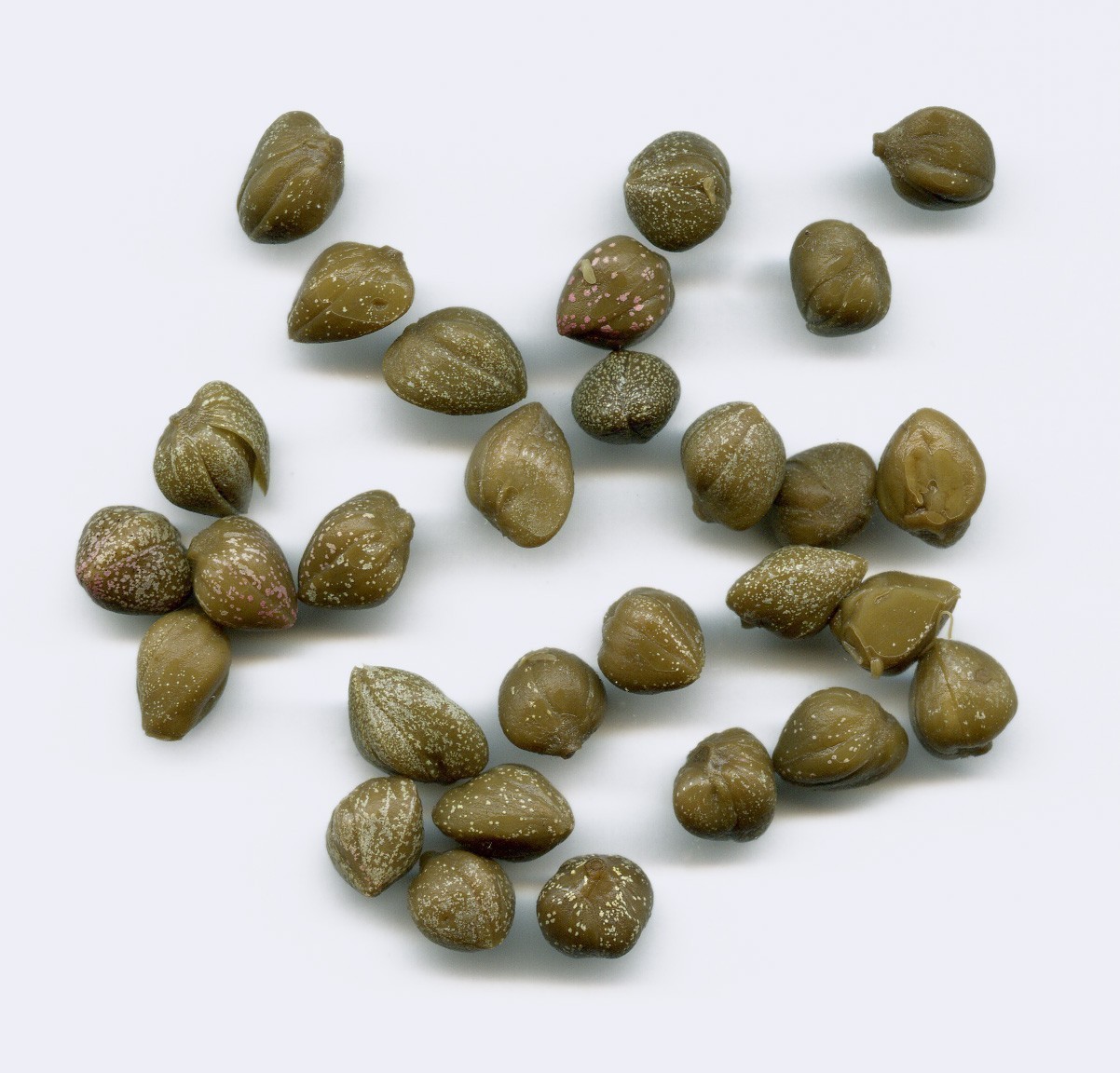
The buds, when ready to pick, are a dark olive green and about the size of a fresh kernel of corn (Zea mays). They are picked, then pickled in salt, or a salt and vinegar solution, and drained. Intense flavor is developed as mustard oil (glucocapparin) is released from each caper bud. This enzymatic reaction leads to the formation of rutin, often seen as crystallized white spots on the surfaces of individual caper buds.
Capers are a distinctive ingredient in Italian cuisine, especially in Sicilian, Aeolian and southern Italian cooking. They are commonly used in salads, pasta salads, meat dishes, and pasta sauces. Examples of uses in Italian cuisine are chicken piccata and spaghetti alla puttanesca.
Capers are known for being one of the ingredients of tartar sauce. They are often served with cold smoked salmon or cured salmon dishes (especially lox and cream cheese). Capers and caper berries are sometimes substituted for olives to garnish a martini.
Capers are categorized and sold by their size, defined as follows, with the smallest sizes being the most desirable: non-pareil (up to 7 mm), surfines (7–8 mm), capucines (8–9 mm), capotes (9–11 mm), fines (11–13 mm), and grusas (14+ mm). If the caper bud is not picked, it flowers and produces a caper berry. The fruit can be pickled and then served as a Greek mezze.
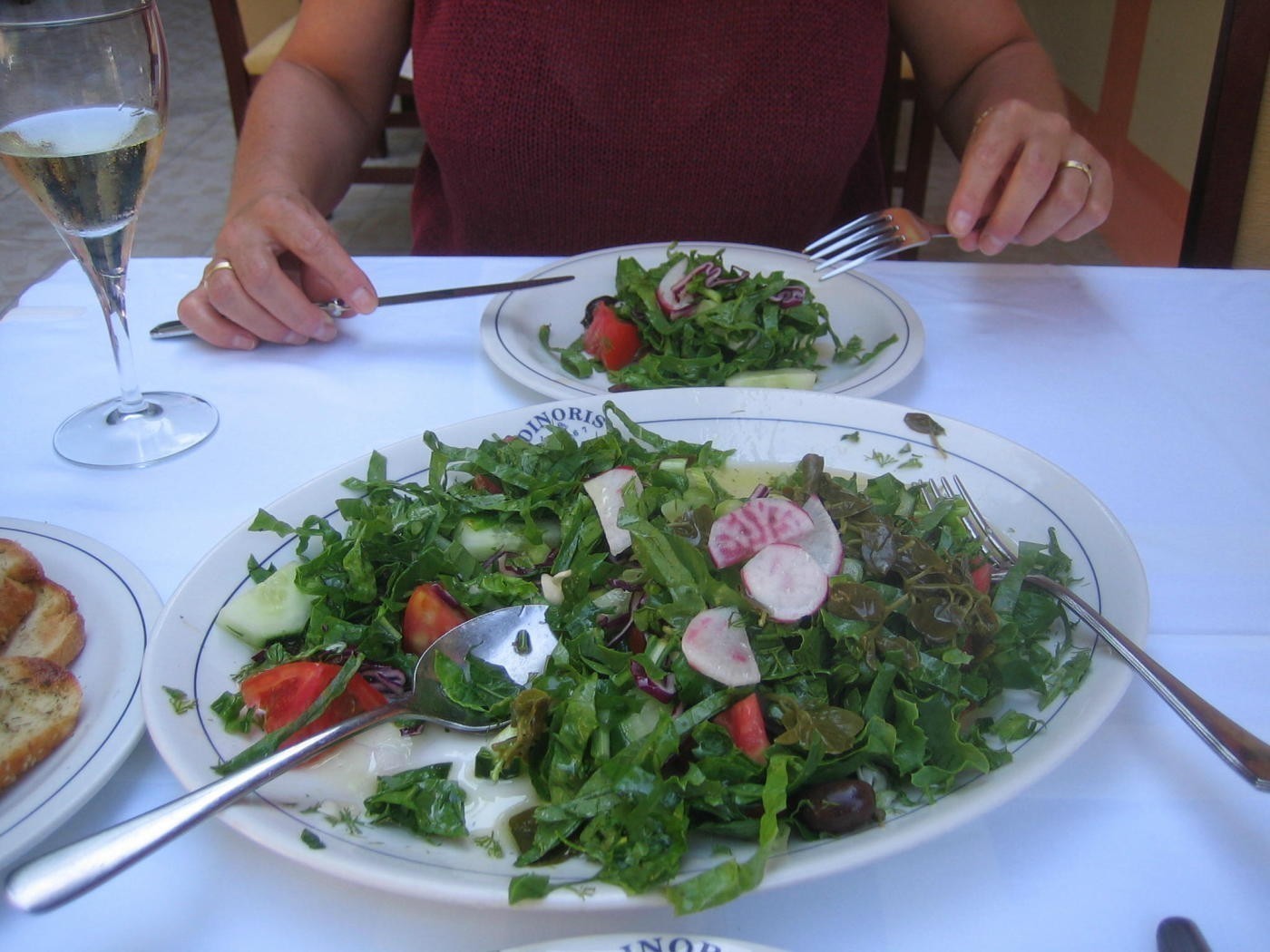
Caper leaves, which are hard to find outside of Greece or Cyprus, are used particularly in salads and fish dishes. They are pickled or boiled and preserved in jars with brine—like caper buds.
Dried caper leaves are also used as a substitute for rennet in the manufacturing of high-quality cheese.
Nutrition
Canned, pickled capers are 84% water, 5% carbohydrates, 2% protein, and 1% fat (table).
Preserved capers are often particularly high in sodium content. In a typical serving of 28 grams (one ounce), capers supply 6 calories and 35% of the Daily Value (DV) for sodium, with no other nutrients in significant content. In a 100 gram amount, the sodium content is 2960 mg or 197% DV, with vitamin K (23% DV), iron (13% DV), and riboflavin (12% DV) also having appreciable levels (table).
Environmental requirements
The caper bush requires a semiarid or arid climate.
The caper bush has developed a series of mechanisms that reduce the impact of high radiation levels, high daily temperature, and insufficient soil water during its growing period.
The caper bush has a curious reaction to sudden increases in humidity; it forms wart-like pock marks across the leaf surface. This is apparently harmless, as the plant quickly adjusts to the new conditions and produces unaffected leaves.
It also shows characteristics of a plant adapted to poor soils. This shrub has a high root/shoot ratio and the presence of mycorrhizae serves to maximize the uptake of minerals in poor soils. Different nitrogen-fixing bacterial strains have been isolated from the caper bush rhizosphere, playing a role in maintaining high reserves of that growth-limiting element.
Cultivation
The caper bush has been introduced as a specialized culture in some European countries in the last four decades. The economic importance of the caper plant led to a significant increase in both the area under cultivation and production levels during the late 1980s. The main production areas are in harsh environments found in Morocco, the southeastern Iberian Peninsula, Turkey, and the Italian islands of Pantelleria and Aeolian Islands, especially Salina. This species has developed special mechanisms to survive in the Mediterranean conditions, and introduction in semiarid lands may help to prevent the disruption of the equilibrium of those fragile ecosystems.
A harvest duration of at least three months is necessary for profitability.
Intense daylight and a long growing period are necessary to secure high yields. The caper bush can withstand temperatures over 40 °C in summer, but it is sensitive to frost during its vegetative period. A caper bush is able to survive low temperatures in the form of stump, as happens in the foothills of the Alps. Caper plants are found even 3,500 m above sea level in Ladakh, though they are usually grown at lower altitudes. Some Italian and Argentine plantings can withstand strong winds without problems, due to caper bush decumbent architecture and the coriaceous consistency of the leaves in some populations.
Scientists can use the known distributions of each species to identify the origin of commercially prepared capers.
The caper bush is a rupicolous species.[20] It is widespread on rocky areas and is grown on different soil associations, including alfisols, regosols, and lithosols. In different Himalayan locations, C. spinosa tolerates both silty clay and sandy, rocky, or gravelly surface soils, with less than 1% organic matter. It grows on bare rocks, crevices, cracks, and sand dunes in Pakistan, in dry calcareous escarpments of the Adriatic region, in dry coastal ecosystems of Egypt, Libya, and Tunisia, in transitional zones between the littoral salt marsh and the coastal deserts of the Asian Red Sea coast, in the rocky arid bottoms of the Jordan valley, in calcareous sandstone cliffs at Ramat Aviv, Israel, and in central west and northwest coastal dunes of Australia. It grows spontaneously in wall joints of antique Roman fortresses, on the Western Wall of Jerusalem's Temple Mount, and on the ramparts of the castle of Santa Bárbara (Alicante, Spain). Clinging caper plants are dominant on the medieval limestone-made ramparts of Alcudia and the bastions of Palma (Majorca, Spain). This aggressive pioneering has brought about serious problems for the protection of monuments.
Propagation
Capers can be grown easily from fresh seeds gathered from ripe fruit and planted into well-drained seed-raising mix. Seedlings appear in two to four weeks. Old, stored seeds enter a state of dormancy and require cold stratification to germinate. The viable embryos germinate within three to four days after partial removal of the lignified seed coats.[21] The seed coats and the mucilage surrounding the seeds may be ecological adaptations to avoid water loss and conserve seed viability during the dry season.
Use of stem cuttings avoids high variability in terms of production and quality. Nevertheless, plants grown from cuttings are more susceptible to drought during the first years after planting. The caper bush is a difficult-to-root woody species, and successful propagation requires careful consideration of biotypes and seasonal and environmental parameters. Rootings up to 55% are possible when using one-year-old wood, depending on cutting harvest time and substrate used. Propagation from stem cuttings is the standard method for growing ‘Mallorquina’ and ‘Italiana’ in Spain, and ‘Nocella’ in the Aolian Islands, esp. Salina. Hardwood cuttings vary in length from 15 to 50 cm and diameter of the cuttings may range from 1.0 to 2.5 cm. Another possibility is to collect stems during February through the beginning of March, treat them with captan or captafol and stratify them outdoors or in a chamber at 3–4 °C, covered with sand or plastic. Moisture content and drainage should be carefully monitored and maintained until planting. Using semihardwood cuttings, collected and planted during August and September, low survival rates (under 30%) have been achieved. Softwood cuttings are prepared in April from 25- to 30-day shoots. Each cutting should contain at least two nodes and be six to 10 cm long. Basal or subterminal cuttings are more successful than terminal ones. Then, cuttings are planted in a greenhouse under a mist system with bottom heat; 150 to 200 cuttings/m2 may be planted.
Orchard establishment
Mean annual temperatures in areas under cultivation are over 14 °C and rainfall varies from 200 mm/year in Spain to 460 mm/year in Pantelleria and 680 mm/year in Salina. In Pantelleria, it rains only 35 mm from May through August, and 84 mm in Salina, the Aeolian Islands. A rainy spring and a hot dry summer are considered advantageous.[22] This drought-tolerant perennial plant is used for landscaping and reducing erosion along highways, steep rocky slopes, sand dunes or fragile semiarid ecosystems.
Caper plantings over 25 to 30 years old are still productive.[23] Thus, physical properties of the soil (texture and depth) are particularly important. Caper bushes can develop extensive root systems and grow best on deep, nonstratified, medium-textured, loamy soils. Mouldboard plowing and harrowing are usual practices prior to caper plant establishment. Soil-profile modification practices, such as deep plowing operating 0.6 to 1 m, can ameliorate some restrictions. In Pantelleria, digging backhoe pits for each shrub was found to be the most effective means of cultivating caper in rocky soils. Two planting designs are used, the square/rectangle and the hedgerow system. Spacing is determined by the vigour of the biotype, fertility of the soil, equipment used and the irrigation method, if any. Bush spacing of 2.5 × 2.5 m or 2.5 × 2 m is common in Pantelleria. In Salina, the Aeolian Islands, 3 × 3 m is satisfactory for ‘Nocella’. In Spain, 4 × 4 m or 5 × 5 m is satisfactory for ‘Mallorquina’. Spacing of 2.0 to 2.5 m is appropriate if C. spinosa is used to control soil erosion on slopes.
Polyphenols
Canned capers contain polyphenols, including the flavonoids quercetin (173 mg per 100 g) and kaempferol (131 mg per 100 g), as well as anthocyanins.
History
The caper was used in ancient Greece as a carminative. It is represented in archaeological levels in the form of carbonised seeds and rarely as flower buds and fruits from archaic and Classical antiquity contexts. Athenaeus in Deipnosophistae pays a lot of attention to the caper, as do Pliny (NH XIX, XLVIII.163) and Theophrastus.
Etymologically, the caper and its relatives in several European tongues can be traced back to Classical Latin capparis, “caper”, in turn borrowed from the Greek κάππαρις, kápparis, whose origin (as that of the plant) is unknown but is probably Asian. Another theory links kápparis to the name of the island of Cyprus (Κύπρος, Kýpros), where capers grow abundantly.
In Biblical times, the caper berry was apparently supposed to have aphrodisiac properties;[29] the Hebrew word aviyyonah (אֲבִיּוֹנָה) for caperberry is closely linked to the Hebrew root אבה (avah), meaning "desire".[30] The word occurs once in the Bible, in the book of Ecclesiastes, at verse 12:5.
The King James Version translates on the basis of the Hebrew root (and perhaps the metaphorical meaning):[31]
...the grasshopper shall be a burden,
and desire shall fail. (12:5 KJV)
The medieval Jewish commentator Rashi also gives a similar gloss (12:5 JPR). However, ancient translations, including the Septuagint, Vulgate, Peshitta and Aquila, render the word more concretely as κάππαρις, "caper berry".[29] Thus in the words of one modern idiomatic translation (2004),
...the grasshopper loses its spring,
and the caper berry has no effect; (12:5 HCSB)
Of other modern versions, the NIV goes for "desire" (12:5 NIV), while the NASB has "caper-berry" (12:5 NASB), as did the 1917 Jewish Publication Society version (12:5 JPS).
The berries (abiyyonot) were eaten, as appears from their liability to tithes and to the restrictions of the 'Orlah. They are carefully distinguished in the Mishnah and the Talmud from the caper leaves, alin, shoots, temarot,[32] and the caper buds, capperisin (note the similarity "caper"isin to "caper");[33] all of which were eaten as seen from the blessing requirement, and declared to be the fruit of the ẓalef or caper plant.
Talmud Bavli, Gemara Berachot, page 36 A&B, discusses the eating of caper sepals versus caper berries, both inside the land of Israel, outside the land of Israel, and in Syria.


Your review appreciation cannot be sent
Report comment
Report sent
Your report cannot be sent
Write your review
Review sent
Your review cannot be sent
We ship worldwide from the European Union using registered air mail with signature confirmation upon delivery.
📦 Tracking Your Order
Log in to your account and navigate to Order History > Details to find your tracking number.
You will receive email notifications for each stage of your order.
If you don’t see these messages, please check your Spam/Junk folder or contact your email provider. Alternatively, search online for how to unblock sender emails.
OUR EMAIL SERVICE IS WORKING
You will receive email notifications for each stage of your order. If you don’t see these messages, please check your Spam/Junk folder or contact your email provider.
📧 How to Ensure Emails from Our Online Shop Always Land in Your Gmail or any other email provider's Inbox and Aren't Marked as Spam or Blocked:
Add the Sender to your Google or any other email provider's contacts. We can't help you if your settings are not like this. Contact your email provider for help.
Step 1: Open Gmail and find an email from us support@seeds-gallery.shop Do not try to send us an email directly to this address; we will not receive it. Every contact is exclusively through the contact form in our online shop!
If you can’t find our email, it might have been blocked. In that case, proceed with Step 4 below.
Step 2: Hover over the sender’s name or email address at the top of the email.
Step 3: Click the "Add to Contacts" icon (the little person icon).
This will help Gmail recognize us as a trusted sender, ensuring our emails go straight to your inbox and not to spam.
Create a Filter to Prevent Emails from Being Marked as Spam or Blocked
Step 1: Open Gmail and click on the gear icon in the top-right corner, then select "See all settings".
Step 2: Go to the "Filters and Blocked Addresses" tab.
Step 3: Click "Create a new filter".
Step 4: In the "From" field, enter the email address you want to whitelist (e.g., our shop’s email).
Step 5: Click "Create filter".
Step 6: In the next window, check the box labeled "Never send it to Spam".
Step 7: Click "Create filter" to save.
This will ensure our emails always land in your inbox and won’t get marked as spam or blocked by mistake.
Track your package via:
Aftership
17Track
Posta.hr (for tracking numbers like RGxxxxxxHR)
⚠️ Important Notices
Cash on delivery is NOT available.
Always provide a valid mobile number with country code when ordering (e.g., +365 456 7686 576).
Do not order to P.O. Boxes, or if you cannot be home to sign for the package, parcels cannot be left with neighbors.
If a package sent to a P.O. Box is lost or undelivered, no refund will be issued.
⚖️ Customer Responsibility for Legal Compliance
The customer is responsible for ensuring that the product is legal to import into their country, including complying with all import regulations, obtaining necessary permits, and paying applicable customs duties, taxes, and other fees. Please check your local laws before ordering to avoid any issues with customs or delivery.
📦 Lost, Returned & Reshipping Packages
Brazil & Mexico Customers: We cannot refund packages lost or destroyed by customs.
If your package is returned, we will refund only the product cost — shipping costs are non-refundable.
Return postage (€2) and any reshipping costs must be covered by the customer.
If a package is returned to us for any reason, you are responsible for paying the return shipping (€2) plus the cost to resend the package.
🚚 Shipment Delivery
Registered shipments require a signature.
If your tracking shows that the package is still at the origin post office, it is in transit — contact your local post office for updates.
Unfortunately, neither we nor the post office through which your order was sent can help you with the question of where your order is. When you see that your package is in your country, you MUST contact your post office with the tracking number and discuss the matter with them. We send all orders by official state mail.
We are not responsible for delivery times and cannot track shipments on your behalf.
📅 Delivery Options & Estimated Times
| Delivery Option | Processing Time | Notes |
|---|---|---|
| Priority Delivery | Ships in 1–7 business days | Prioritizes order processing (not guaranteed faster delivery); delays possible during holidays (3–10 days) |
| Secured Delivery | Ships in 1–7 business days | Available for orders up to €150; refund if lost |
| Standard Delivery | Ships in 7–10 business days | More economical; delays possible during holidays (7–14 days) |
Estimated Delivery Time:
Within the EU: 3–20 days
Worldwide: 5–30 days
USA Examples: Delivered in 13, 17, 19, 22, or 27 days.
Note: Delivery times depend on your location and local postal system. COVID-19 or holiday seasons may cause additional delays.
💰 Shipping Costs
Shipping and handling fees are calculated automatically at checkout based on the parcel weight and destination.
⏰ Order Processing Hours
We do not process or ship orders on Saturdays or Sundays.
💳 Payment Options
Bank Transfer (SEPA / IBAN / SWIFT-BIC)
Include your order reference in the payment description (e.g., "SGS-19811702").
Orders without payment within 7 days will be automatically cancelled.
PayPal
Payments are accepted in Euros only.
Please select Euros during checkout.
Card Payment
For card payments, visit our partner site: exotic-seeds.store
We accept Visa, MasterCard, American Express, CB, Diners Club, Discover, China UnionPay, JCB, and Discover.
⚠️ Transaction Fees
Customers are responsible for any bank or PayPal transaction fees.
Please ensure accurate payment details for faster order processing.
📢 Final Notes
Before placing your order, always check our website for special notices, holiday schedules, or specific shipping conditions that might affect your purchase.
Important Notice: Digital Invoices
To help reduce paper waste, we do not include a printed invoice with your order. You can easily download and print your invoice at any time by visiting your Order History in your account profile.