- +00 123 4567
- support@seeds-gallery.shop
seeds-gallery.shop
The Paper Mulberry (Broussonetia papyrifera), also known as the Tapa Cloth Tree, is a deciduous tree native to East and Southeast Asia, including China, Japan, Korea, Laos, Cambodia, Thailand, Burma, and India. Belonging to the Moraceae family, this historic species has been cultivated for centuries for its fiber, food, medicinal uses, and as a source of traditional paper.
🌿 The Paper Mulberry is renowned for its strong inner bark fibers, which have been used since 100 AD in China for papermaking and later in Japan for the production of washi paper. Its bark is pounded and blended into a pulp to make fine, durable handmade paper. In Pacific Island cultures, the same bark is used to produce tapa cloth, a textile once used for clothing, bedding, and ceremonial wear in Fiji, Tonga, Samoa, and Tahiti.
Type: Deciduous shrub or tree
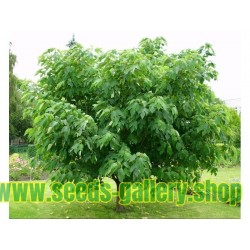
Height: Typically 10–20 m, can reach up to 35 m
Leaves: Highly variable, sometimes lobed, rough-textured, 15–20 cm long
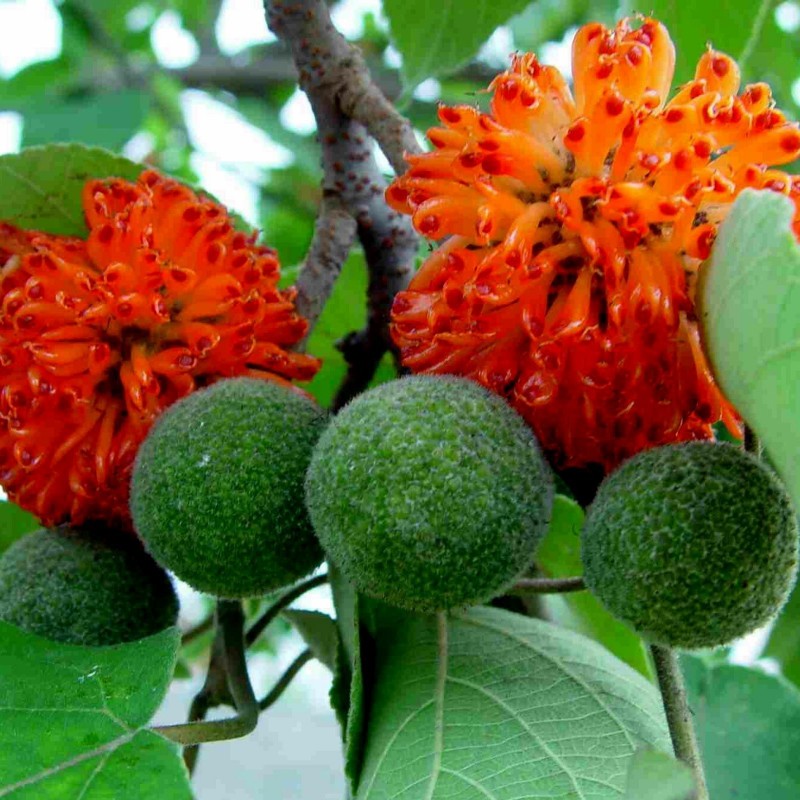
Flowers: Male flowers in fuzzy catkins; female flowers in spherical clusters
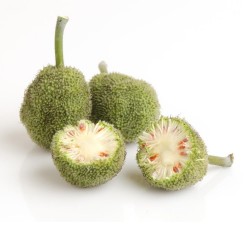
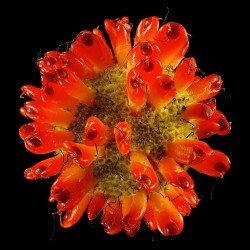
Fruits: Red or orange spherical clusters 2–3 cm wide
Growth Habit: Rapid-growing and highly adaptable
Lifespan: Long-lived perennial species
🪶 Papermaking: Primary source of fiber for Japanese washi and ancient Chinese paper.
👗 Textiles: Inner bark used for tapa cloth in Pacific Island nations.
🪵 Wood & Roots: Utilized for furniture, tools, and ropes.
🍃 Edible Uses: Fruits and young leaves are edible when cooked.
💊 Medicinal Uses:
Bark and fruit used as laxative and antipyretic in traditional medicine.
Leaves used for antioxidant and anti-inflammatory remedies.
In rural Pakistan, known as jangli toot and used to treat fever and digestive issues.
Growing Broussonetia papyrifera from seed is straightforward, as this species is vigorous and fast-germinating.
Propagation: By seeds
Sowing Time: All year round (preferably spring)
Sowing Depth: 1–2 cm
Soil Mix: Use a light, well-draining mix such as coir + sand or perlite.
Germination Temperature: Maintain 20–25°C (68–77°F).
Location: Bright and warm spot, avoid direct scorching sun.
Moisture: Keep the substrate consistently moist but not wet.
Germination Time: 3–6 weeks
Once seedlings are large enough to handle, transplant them into pots. The young trees grow rapidly and should be hardened off before being moved outdoors.
Light: Prefers full sun to partial shade.
Soil: Adapts to various soil types; thrives in loamy and sandy soils.
Watering: Moderate; water regularly during the growing season.
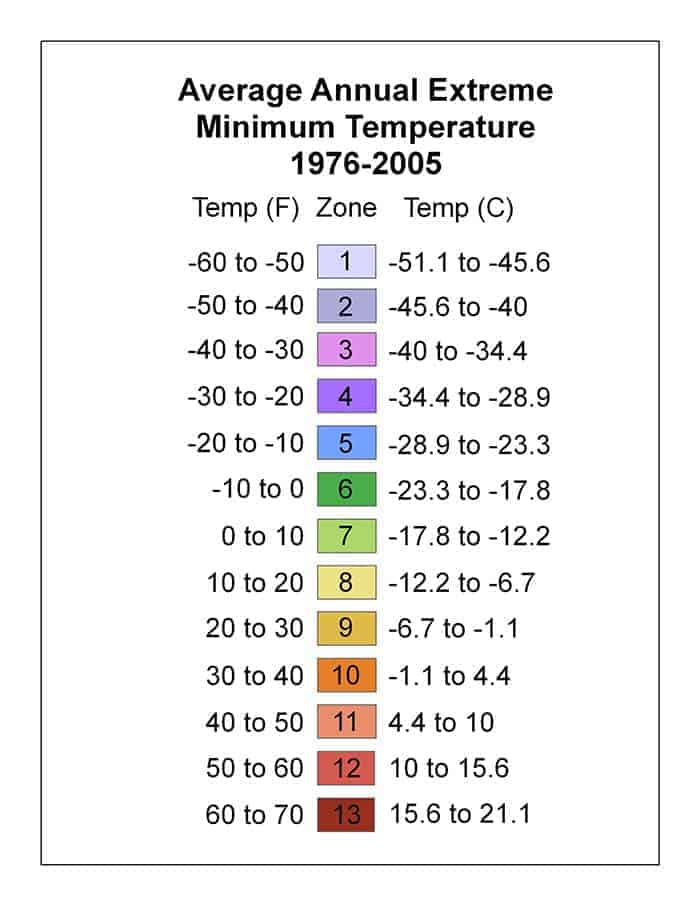
Temperature: Hardy to mild frost but prefers warm, temperate climates.
Growth Rate: Extremely fast; ideal for reforestation or ornamental planting.
While Paper Mulberry has many beneficial uses, it can also become invasive in favorable climates. It spreads through seeds and root suckers, forming dense stands that may outcompete native vegetation. The plant’s pollen is allergenic, particularly problematic in urban environments such as Islamabad, where it is a major source of airborne allergies.
Despite its invasive tendencies, the Paper Mulberry plays a key ecological role as a pioneer species, helping restore disturbed or deforested areas. It tolerates pollution and poor soil, making it a valuable landscaping and rehabilitation species.
📜 Paper Mulberry was one of the first plants ever used for papermaking in human history.
🌺 The fibers of its inner bark are still considered among the strongest and finest natural fibers known.
🌴 It continues to play an essential role in Pacific Islander culture as part of traditional tapa cloth ceremonies.
🌿 Explore Exotic Tree Seeds Collection
🪵 Discover Fiber and Paper-Producing Plants
🌸 Browse Medicinal & Ethnobotanical Seeds
The Paper Mulberry (Broussonetia papyrifera), also known as the Tapa Cloth Tree, is a deciduous tree native to East and Southeast Asia, including China, Japan, Korea, Laos, Cambodia, Thailand, Burma, and India. Belonging to the Moraceae family, this historic species has been cultivated for centuries for its fiber, food, medicinal uses, and as a source of traditional paper.
🌿 The Paper Mulberry is renowned for its strong inner bark fibers, which have been used since 100 AD in China for papermaking and later in Japan for the production of washi paper. Its bark is pounded and blended into a pulp to make fine, durable handmade paper. In Pacific Island cultures, the same bark is used to produce tapa cloth, a textile once used for clothing, bedding, and ceremonial wear in Fiji, Tonga, Samoa, and Tahiti.
Type: Deciduous shrub or tree
Height: Typically 10–20 m, can reach up to 35 m
Leaves: Highly variable, sometimes lobed, rough-textured, 15–20 cm long
Flowers: Male flowers in fuzzy catkins; female flowers in spherical clusters
Fruits: Red or orange spherical clusters 2–3 cm wide
Growth Habit: Rapid-growing and highly adaptable
Lifespan: Long-lived perennial species
🪶 Papermaking: Primary source of fiber for Japanese washi and ancient Chinese paper.
👗 Textiles: Inner bark used for tapa cloth in Pacific Island nations.
🪵 Wood & Roots: Utilized for furniture, tools, and ropes.
🍃 Edible Uses: Fruits and young leaves are edible when cooked.
💊 Medicinal Uses:
Bark and fruit used as laxative and antipyretic in traditional medicine.
Leaves used for antioxidant and anti-inflammatory remedies.
In rural Pakistan, known as jangli toot and used to treat fever and digestive issues.
Growing Broussonetia papyrifera from seed is straightforward, as this species is vigorous and fast-germinating.
Propagation: By seeds
Sowing Time: All year round (preferably spring)
Sowing Depth: 1–2 cm
Soil Mix: Use a light, well-draining mix such as coir + sand or perlite.
Germination Temperature: Maintain 20–25°C (68–77°F).
Location: Bright and warm spot, avoid direct scorching sun.
Moisture: Keep the substrate consistently moist but not wet.
Germination Time: 3–6 weeks
Once seedlings are large enough to handle, transplant them into pots. The young trees grow rapidly and should be hardened off before being moved outdoors.
Light: Prefers full sun to partial shade.
Soil: Adapts to various soil types; thrives in loamy and sandy soils.
Watering: Moderate; water regularly during the growing season.
Temperature: Hardy to mild frost but prefers warm, temperate climates.
Growth Rate: Extremely fast; ideal for reforestation or ornamental planting.
While Paper Mulberry has many beneficial uses, it can also become invasive in favorable climates. It spreads through seeds and root suckers, forming dense stands that may outcompete native vegetation. The plant’s pollen is allergenic, particularly problematic in urban environments such as Islamabad, where it is a major source of airborne allergies.
Despite its invasive tendencies, the Paper Mulberry plays a key ecological role as a pioneer species, helping restore disturbed or deforested areas. It tolerates pollution and poor soil, making it a valuable landscaping and rehabilitation species.
📜 Paper Mulberry was one of the first plants ever used for papermaking in human history.
🌺 The fibers of its inner bark are still considered among the strongest and finest natural fibers known.
🌴 It continues to play an essential role in Pacific Islander culture as part of traditional tapa cloth ceremonies.
🌿 Explore Exotic Tree Seeds Collection
🪵 Discover Fiber and Paper-Producing Plants
🌸 Browse Medicinal & Ethnobotanical Seeds
The Paper Mulberry (Broussonetia papyrifera), also known as the Tapa Cloth Tree, is a deciduous tree native to East and Southeast Asia, including China, Japan, Korea, Laos, Cambodia, Thailand, Burma, and India. Belonging to the Moraceae family, this historic species has been cultivated for centuries for its fiber, food, medicinal uses, and as a source of traditional paper.
🌿 The Paper Mulberry is renowned for its strong inner bark fibers, which have been used since 100 AD in China for papermaking and later in Japan for the production of washi paper. Its bark is pounded and blended into a pulp to make fine, durable handmade paper. In Pacific Island cultures, the same bark is used to produce tapa cloth, a textile once used for clothing, bedding, and ceremonial wear in Fiji, Tonga, Samoa, and Tahiti.
Type: Deciduous shrub or tree
Height: Typically 10–20 m, can reach up to 35 m
Leaves: Highly variable, sometimes lobed, rough-textured, 15–20 cm long
Flowers: Male flowers in fuzzy catkins; female flowers in spherical clusters
Fruits: Red or orange spherical clusters 2–3 cm wide
Growth Habit: Rapid-growing and highly adaptable
Lifespan: Long-lived perennial species
🪶 Papermaking: Primary source of fiber for Japanese washi and ancient Chinese paper.
👗 Textiles: Inner bark used for tapa cloth in Pacific Island nations.
🪵 Wood & Roots: Utilized for furniture, tools, and ropes.
🍃 Edible Uses: Fruits and young leaves are edible when cooked.
💊 Medicinal Uses:
Bark and fruit used as laxative and antipyretic in traditional medicine.
Leaves used for antioxidant and anti-inflammatory remedies.
In rural Pakistan, known as jangli toot and used to treat fever and digestive issues.
Growing Broussonetia papyrifera from seed is straightforward, as this species is vigorous and fast-germinating.
Propagation: By seeds
Sowing Time: All year round (preferably spring)
Sowing Depth: 1–2 cm
Soil Mix: Use a light, well-draining mix such as coir + sand or perlite.
Germination Temperature: Maintain 20–25°C (68–77°F).
Location: Bright and warm spot, avoid direct scorching sun.
Moisture: Keep the substrate consistently moist but not wet.
Germination Time: 3–6 weeks
Once seedlings are large enough to handle, transplant them into pots. The young trees grow rapidly and should be hardened off before being moved outdoors.
Light: Prefers full sun to partial shade.
Soil: Adapts to various soil types; thrives in loamy and sandy soils.
Watering: Moderate; water regularly during the growing season.
Temperature: Hardy to mild frost but prefers warm, temperate climates.
Growth Rate: Extremely fast; ideal for reforestation or ornamental planting.
While Paper Mulberry has many beneficial uses, it can also become invasive in favorable climates. It spreads through seeds and root suckers, forming dense stands that may outcompete native vegetation. The plant’s pollen is allergenic, particularly problematic in urban environments such as Islamabad, where it is a major source of airborne allergies.
Despite its invasive tendencies, the Paper Mulberry plays a key ecological role as a pioneer species, helping restore disturbed or deforested areas. It tolerates pollution and poor soil, making it a valuable landscaping and rehabilitation species.
📜 Paper Mulberry was one of the first plants ever used for papermaking in human history.
🌺 The fibers of its inner bark are still considered among the strongest and finest natural fibers known.
🌴 It continues to play an essential role in Pacific Islander culture as part of traditional tapa cloth ceremonies.
🌿 Explore Exotic Tree Seeds Collection
🪵 Discover Fiber and Paper-Producing Plants
🌸 Browse Medicinal & Ethnobotanical Seeds


Your review appreciation cannot be sent
Report comment
Report sent
Your report cannot be sent
Write your review
Review sent
Your review cannot be sent
We ship worldwide from the European Union using registered air post with signature confirmation on delivery.
Log in to your account and go to Order History > Details to find your tracking number.
You will receive email notifications at every step — please check your spam/junk folder if you don’t see them.
Track your package via:
Cash on delivery is not available.
Always provide a valid mobile number with country code when ordering (e.g., +365 456 7686 576).
Do not order to P.O. Boxes or if you cannot be home to sign for the package. We cannot leave parcels with neighbors.
If a package sent to a P.O. Box is lost or undelivered, you lose the right to a refund.
For customers in Brazil and Mexico:
We cannot refund packages lost or destroyed by customs.
If your package is returned, we will refund only the product cost — shipping costs are not refundable.
You must pay return postage (€2) and any costs for reshipping.
If a package is returned to us for any reason, you are responsible for paying the return shipping (€2) plus the cost to resend the package.
Registered shipments require a signature from the recipient.
If your tracking shows the package is still at the origin post office, it means the package is in transit — please contact your local post office directly for updates.
We are not responsible for delivery times and cannot track shipments for you.
| Delivery Option | Processing Time | Notes |
|---|---|---|
| Priority Delivery | Ships in 1-7 business days | Prioritizes order processing (not guaranteed faster delivery); delays possible during holidays (3-10 days) |
| Secured Delivery | Ships in 1-7 business days | Available for orders up to €150; refund if lost |
| Standard Delivery | Ships in 7-10 business days | More economical; delays possible during holidays (7-14 days) |
Estimated Delivery Time:
Within the EU: 3–20 days
Worldwide: 5–30 days
Example delivery times to the USA:
Delivered in 13, 17, 19, 22, or 27 days.
Note: Delivery times depend on your location and the local postal system. COVID-19 may cause additional delays.
Shipping and handling fees are calculated automatically during checkout based on the weight of the parcel and the destination country.
We do not process or ship orders on Saturdays or Sundays.
Bank Transfer (SEPA / IBAN / SWIFT-BIC)
Include your order reference in the payment description (e.g., "SGS-19811702"). Orders without payment within 7 days are automatically cancelled.
PayPal
Payments accepted in Euros only. Please select Euros at checkout.
Card Payment
For card payments, visit our other site: Exotic Seeds Store
We accept Visa, MasterCard, American Express, CB, Diners Club, Discover, China UnionPay, JCB, and Discover.
Customers are responsible for any transaction fees. Please provide payment details to help us process your order efficiently.
Before placing your order, please check our website for any special notices, holiday schedules, or specific conditions that may affect your purchase.