- +00 123 4567
- support@seeds-gallery.shop
over 2000 different plant seeds

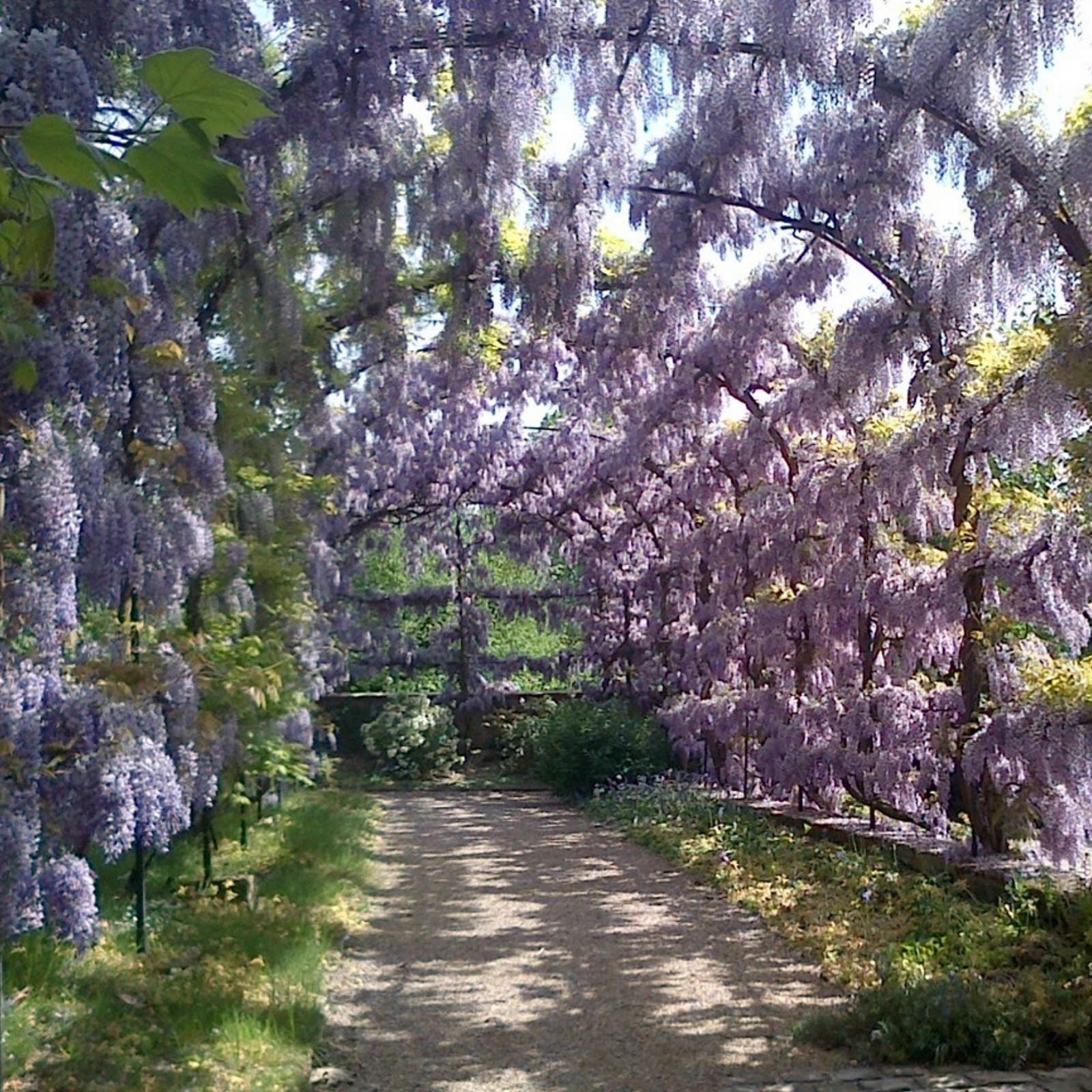


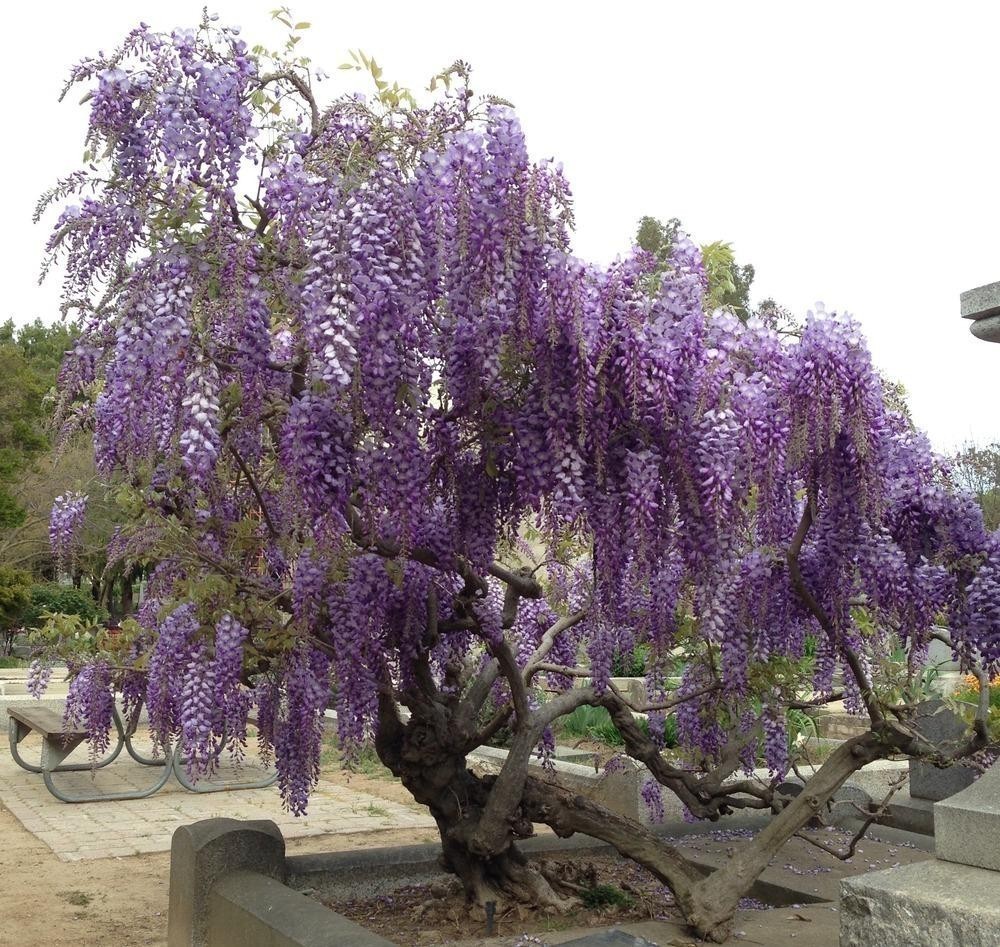
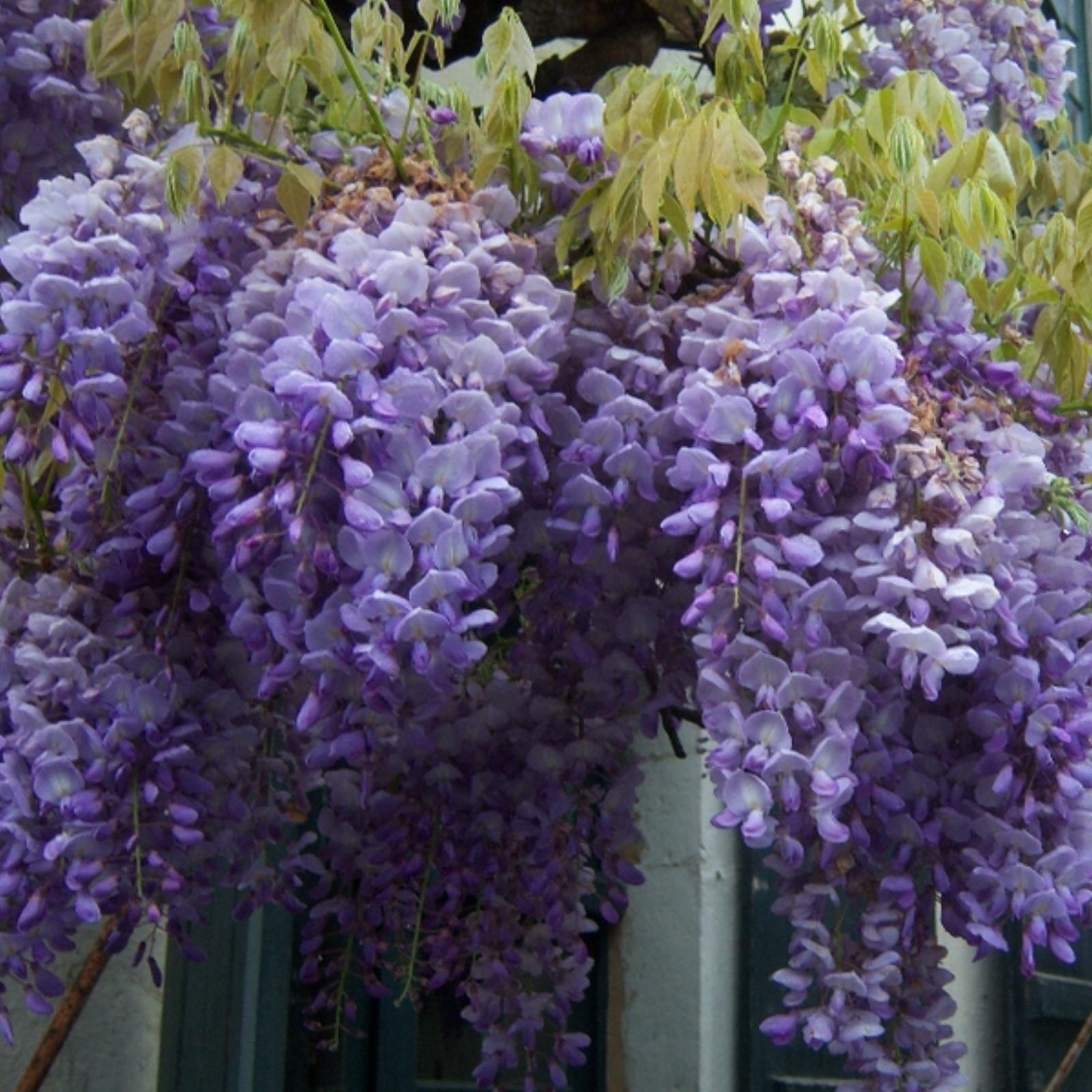
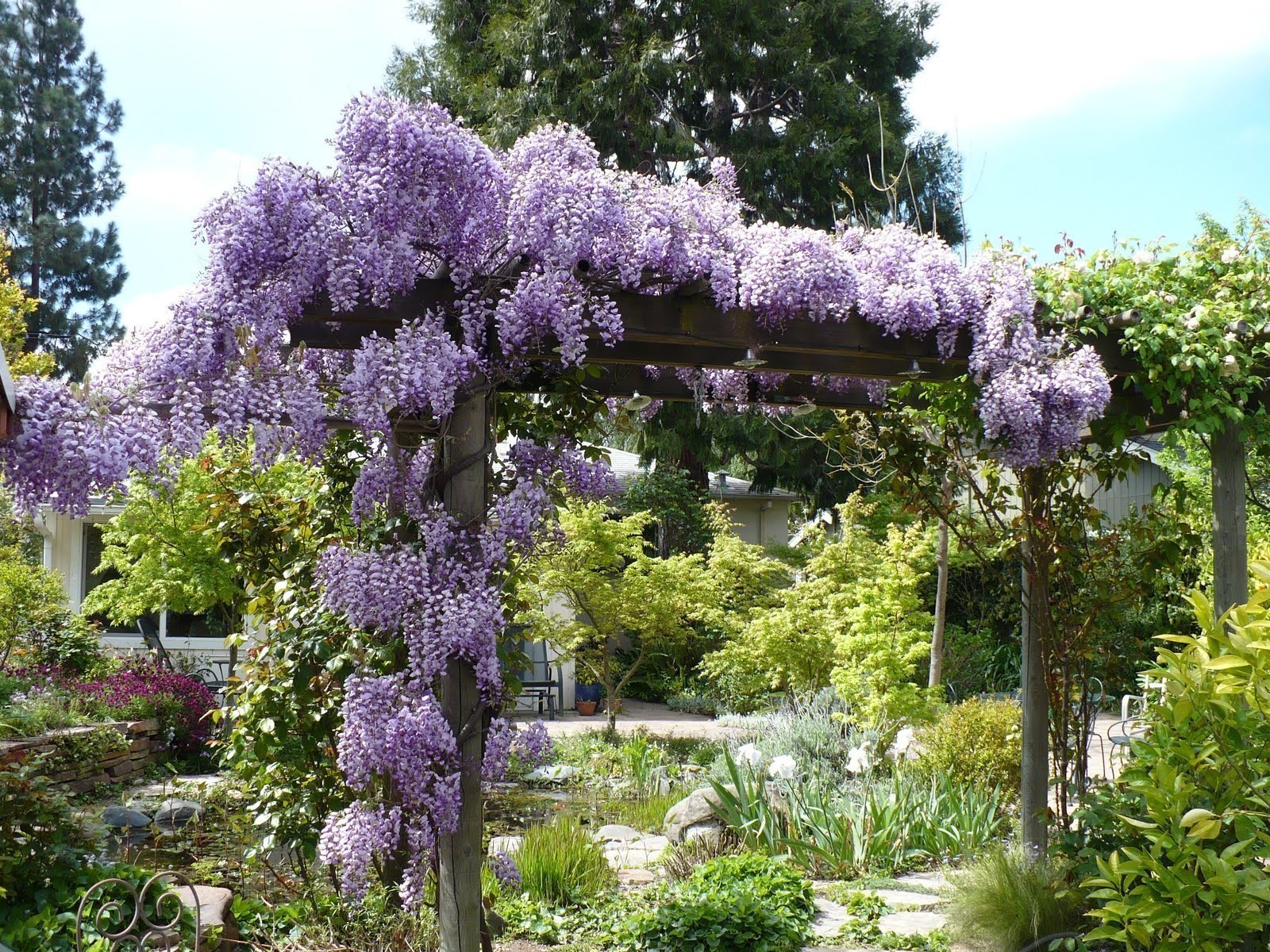
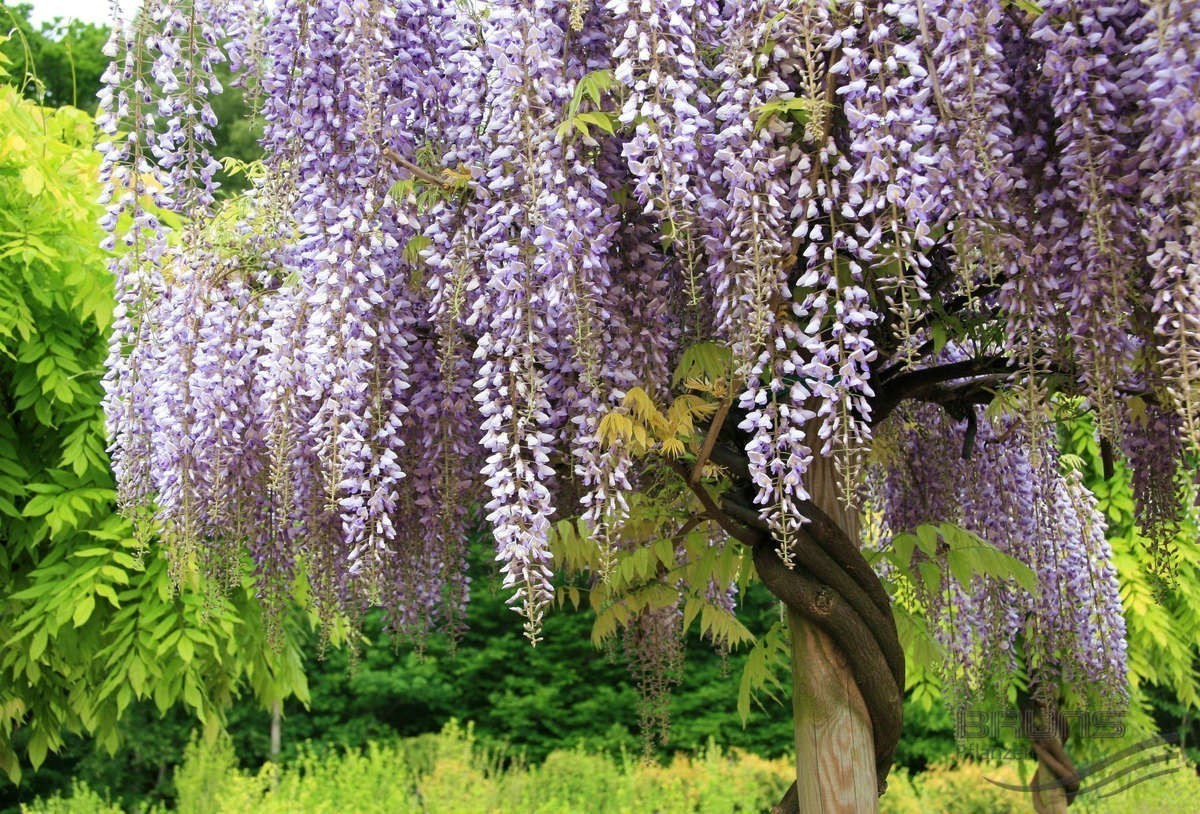

Wisteria (also spelled Wistaria or Wysteria) is a genus of flowering plants in the pea family, Fabaceae, that includes ten species of woody climbing vines native to the Eastern United States and to China
Dear Customers,
We would like to inform you about an important change regarding payment fees. Unfortunately, due to the exceptionally high transaction fees imposed by PayPal, we are forced to apply a surcharge for payments made through their service.
However, we have a solution for you! You can avoid these astronomical fees by choosing one of our alternative payment methods with ZERO COMMISSION:
✅ Credit/Debit Card Payment – 0% Fee ✅ Bank Transfer – 0% Fee
To take advantage of these savings, please complete your purchase directly through our official website: 👉
Thank you for your understanding and for choosing our seeds!
Your Seeds Gallery Team
Wisteria (also spelled Wistaria or Wysteria) is a genus of flowering plants in the pea family, Fabaceae, that includes ten species of woody climbing vines native to the Eastern United States and to China, Korea, and Japan. Some species are popular ornamental plants, especially in China and Japan. An aquatic flowering plant with the common name wisteria or 'water wisteria' is in fact Hygrophila difformis, in the family Acanthaceae.
Description
Wisteria vines climb by twining their stems either clockwise or counterclockwise round any available support. They can climb as high as 20 m above the ground and spread out 10 m laterally. The world's largest known Wisteria vine is in Sierra Madre, California, measuring more than 1 acre (0.40 ha) in size and weighing 250 tons. Planted in 1894, it is of the Chinese lavender variety.
The leaves are alternate, 15 to 35 cm long, pinnate, with 9 to 19 leaflets. The flowers are produced in pendulous racemes 10 to 80 cm long, similar to those of the genus Laburnum, but are purple, violet, pink or white. There is no yellow on the leaves. Flowering is in the spring (just before or as the leaves open) in some Asian species, and in mid to late summer in the American species and W. japonica. The flowers of some species are fragrant, most notably Chinese Wisteria. The seeds are produced in pods similar to those of Laburnum, and, like the seeds of that genus, are poisonous.
Wisteria is an extremely hardy plant that is considered an invasive species in many parts of the U.S., especially the Southeast, due to its ability to overtake and choke out other native plant species.
Wisteria species are used as food plants by the larvae of some Lepidoptera species including brown-tail.
Cultivation
Wisteria, especially Wisteria sinensis, is very hardy and fast-growing. It can grow in fairly poor-quality soils, but prefers fertile, moist, well-drained soil. They thrive in full sun. Wisteria can be propagated via hardwood cutting, softwood cuttings, or seed. However, specimens grown from seed can take decades to bloom; for this reason, gardeners usually grow plants that have been started from rooted cuttings or grafted cultivars known to flower well.[citation needed] Another reason for failure to bloom can be excessive fertilizer (particularly nitrogen). Wisteria has nitrogen fixing capability (provided by Rhizobia bacteria in root nodules), and thus mature plants may benefit from added potassium and phosphate, but not nitrogen. Finally, wisteria can be reluctant to bloom because it has not reached maturity. Maturation may require only a few years, as in Kentucky Wisteria, or nearly twenty, as in Chinese Wisteria. Maturation can be forced by physically abusing the main trunk, root pruning, or drought stress.
Wisteria can grow into a mound when unsupported, but is at its best when allowed to clamber up a tree, pergola, wall, or other supporting structure. Whatever the case, the support must be very sturdy, because mature Wisteria can become immensely strong with heavy wrist-thick trunks and stems. These will certainly rend latticework, crush thin wooden posts, and can even strangle large trees. Wisteria allowed to grow on houses can cause damage to gutters, downspouts, and similar structures. Its pendulous racemes are best viewed from below.
Wisteria flowers develop in buds near the base of the previous year's growth, so pruning back side shoots to the basal few buds in early spring can enhance the visibility of the flowers. If it is desired to control the size of the plant, the side shoots can be shortened to between 20 and 40 cm long in mid summer, and back to 10 to 20 cm in the fall. Once the plant is a few years old, a relatively compact, free-flowering form can be achieved by pruning off the new tendrils three times during the growing season; in June, July and August, for the northern hemisphere. The flowers of some varieties are edible, and can even be used to make wine. Others are said to be toxic. Careful identification by an expert is strongly recommended before consuming this or any wild plant.
Taxonomy
The botanist Thomas Nuttall said he named the genus Wisteria in memory of Dr. Caspar Wistar (1761–1818).[1][2] Questioned about the spelling later, Nuttall said it was for "euphony," but his biographer speculated that it may have something to do with Nuttall's friend Charles Jones Wister, Sr., of Grumblethorpe, the grandson of the merchant John Wister.[3] (Some Philadelphia sources state that the plant is named after Wister.)[4] As the spelling is apparently deliberate, there is no justification for changing the genus name under the International Code of Botanical Nomenclature.[5] However, some spell the plant's common name "wistaria", and Fowler is decisively for the "wistaria" spelling.
Genetic analysis shows Callerya, Afgekia and Wisteria to be each other's closest relatives and quite distinct from other members of the tribe Millettieae. Both have eight chromosomes.
In culture
Fuji Musumè (藤娘?) or Wisteria Maiden is an Otsu-e (Japanese folk painting in Ōtsu, Shiga) subject thought to have been inspired by popular dances. These paintings were often sold as good-luck charms for marriages. Fuji Musumè is also a famous classical Kabuki dance.
In Barbara Kingsolver's novel The Bean Trees, Turtle refers to wisteria vines as bean trees, because the pre-bloomed flower pods are shaped like beans. Later, she and Taylor learn that wisteria is a legume (i.e., is in the bean family) and that wisteria and other legumes engage in symbiotic relationships, just as the book's characters do.
In Charlotte Perkins Gilman's "The Giant Wistaria," the plant becomes both a sign of virility ("'It groweth well, this vine thou broughtest me in the ship, my husband.'") as well as a sign of destruction. A daughter has a child out of wedlock and her parents plan to take her back to the old country while giving the baby to a local town. The daughter hears this and ultimately, drowns the baby. She either hangs herself from the wistaria vines roots growing in the basement or they strangle her and kill her; the story doesn't clarify.


Your review appreciation cannot be sent
Report comment
Report sent
Your report cannot be sent
Write your review
Review sent
Your review cannot be sent
We ship worldwide from the European Union using registered air mail with signature confirmation upon delivery.
📦 Tracking Your Order
Log in to your account and navigate to Order History > Details to find your tracking number.
You will receive email notifications for each stage of your order.
If you don’t see these messages, please check your Spam/Junk folder or contact your email provider. Alternatively, search online for how to unblock sender emails.
OUR EMAIL SERVICE IS WORKING
You will receive email notifications for each stage of your order. If you don’t see these messages, please check your Spam/Junk folder or contact your email provider.
📧 How to Ensure Emails from Our Online Shop Always Land in Your Gmail or any other email provider's Inbox and Aren't Marked as Spam or Blocked:
Add the Sender to your Google or any other email provider's contacts. We can't help you if your settings are not like this. Contact your email provider for help.
Step 1: Open Gmail and find an email from us support@seeds-gallery.shop Do not try to send us an email directly to this address; we will not receive it. Every contact is exclusively through the contact form in our online shop!
If you can’t find our email, it might have been blocked. In that case, proceed with Step 4 below.
Step 2: Hover over the sender’s name or email address at the top of the email.
Step 3: Click the "Add to Contacts" icon (the little person icon).
This will help Gmail recognize us as a trusted sender, ensuring our emails go straight to your inbox and not to spam.
Create a Filter to Prevent Emails from Being Marked as Spam or Blocked
Step 1: Open Gmail and click on the gear icon in the top-right corner, then select "See all settings".
Step 2: Go to the "Filters and Blocked Addresses" tab.
Step 3: Click "Create a new filter".
Step 4: In the "From" field, enter the email address you want to whitelist (e.g., our shop’s email).
Step 5: Click "Create filter".
Step 6: In the next window, check the box labeled "Never send it to Spam".
Step 7: Click "Create filter" to save.
This will ensure our emails always land in your inbox and won’t get marked as spam or blocked by mistake.
Track your package via:
Aftership
17Track
Posta.hr (for tracking numbers like RGxxxxxxHR)
⚠️ Important Notices
Cash on delivery is NOT available.
Always provide a valid mobile number with country code when ordering (e.g., +365 456 7686 576).
Do not order to P.O. Boxes, or if you cannot be home to sign for the package, parcels cannot be left with neighbors.
If a package sent to a P.O. Box is lost or undelivered, no refund will be issued.
⚖️ Customer Responsibility for Legal Compliance
The customer is responsible for ensuring that the product is legal to import into their country, including complying with all import regulations, obtaining necessary permits, and paying applicable customs duties, taxes, and other fees. Please check your local laws before ordering to avoid any issues with customs or delivery.
📦 Lost, Returned & Reshipping Packages
Brazil & Mexico Customers: We cannot refund packages lost or destroyed by customs.
If your package is returned, we will refund only the product cost — shipping costs are non-refundable.
Return postage (€2) and any reshipping costs must be covered by the customer.
If a package is returned to us for any reason, you are responsible for paying the return shipping (€2) plus the cost to resend the package.
🚚 Shipment Delivery
Registered shipments require a signature.
If your tracking shows that the package is still at the origin post office, it is in transit — contact your local post office for updates.
Unfortunately, neither we nor the post office through which your order was sent can help you with the question of where your order is. When you see that your package is in your country, you MUST contact your post office with the tracking number and discuss the matter with them. We send all orders by official state mail.
We are not responsible for delivery times and cannot track shipments on your behalf.
📅 Delivery Options & Estimated Times
| Delivery Option | Processing Time | Notes |
|---|---|---|
| Priority Delivery | Ships in 1–7 business days | Prioritizes order processing (not guaranteed faster delivery); delays possible during holidays (3–10 days) |
| Secured Delivery | Ships in 1–7 business days | Available for orders up to €150; refund if lost |
| Standard Delivery | Ships in 7–10 business days | More economical; delays possible during holidays (7–14 days) |
Estimated Delivery Time:
Within the EU: 3–20 days
Worldwide: 5–30 days
USA Examples: Delivered in 13, 17, 19, 22, or 27 days.
Note: Delivery times depend on your location and local postal system. COVID-19 or holiday seasons may cause additional delays.
💰 Shipping Costs
Shipping and handling fees are calculated automatically at checkout based on the parcel weight and destination.
⏰ Order Processing Hours
We do not process or ship orders on Saturdays or Sundays.
💳 Payment Options
Bank Transfer (SEPA / IBAN / SWIFT-BIC)
Include your order reference in the payment description (e.g., "SGS-19811702").
Orders without payment within 7 days will be automatically cancelled.
PayPal
Payments are accepted in Euros only.
Please select Euros during checkout.
Card Payment
For card payments, visit our partner site: exotic-seeds.store
We accept Visa, MasterCard, American Express, CB, Diners Club, Discover, China UnionPay, JCB, and Discover.
⚠️ Transaction Fees
Customers are responsible for any bank or PayPal transaction fees.
Please ensure accurate payment details for faster order processing.
📢 Final Notes
Before placing your order, always check our website for special notices, holiday schedules, or specific shipping conditions that might affect your purchase.
Important Notice: Digital Invoices
To help reduce paper waste, we do not include a printed invoice with your order. You can easily download and print your invoice at any time by visiting your Order History in your account profile.