
"Vezanka" Chili 4000 Seeds Old Serbian variety
120,00 €


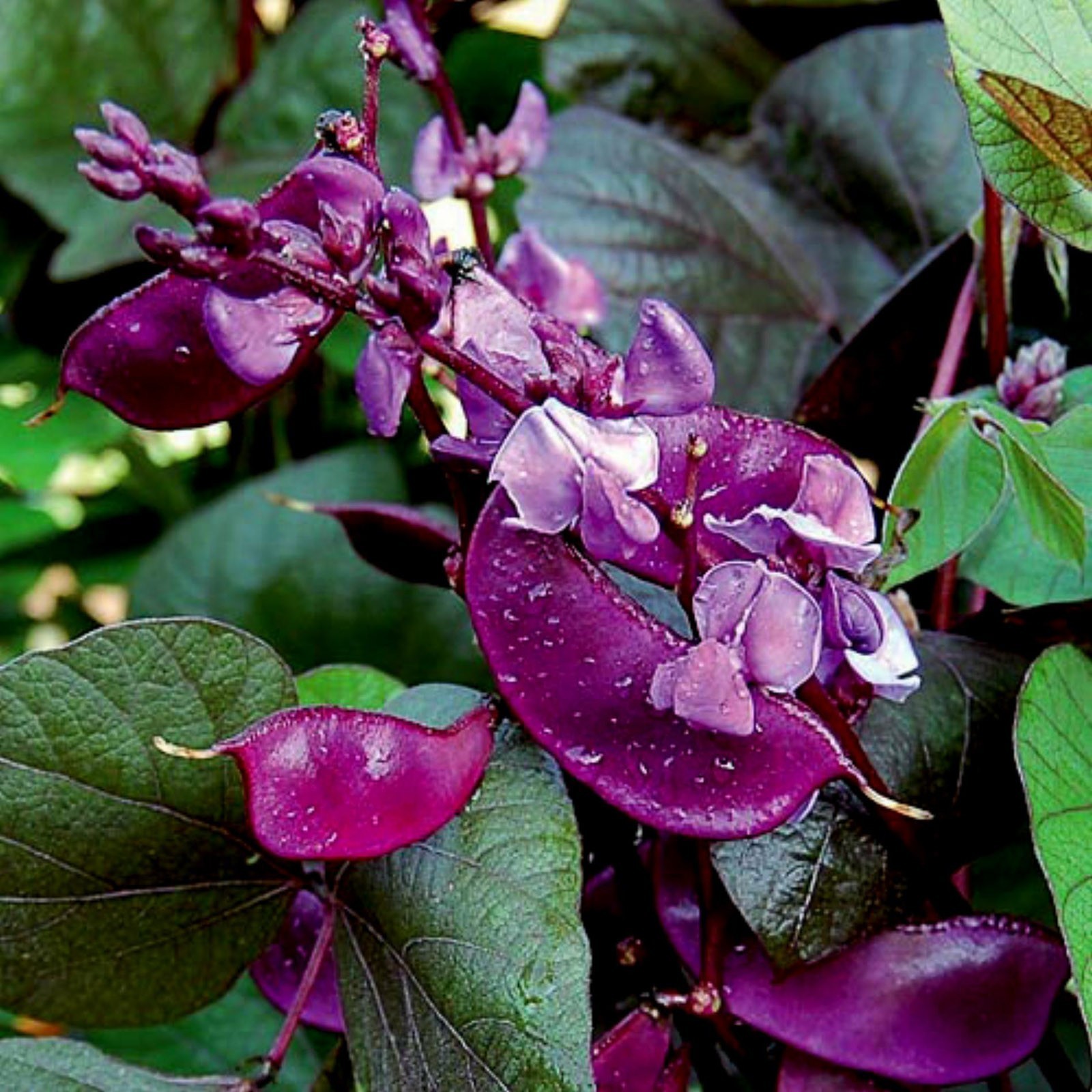

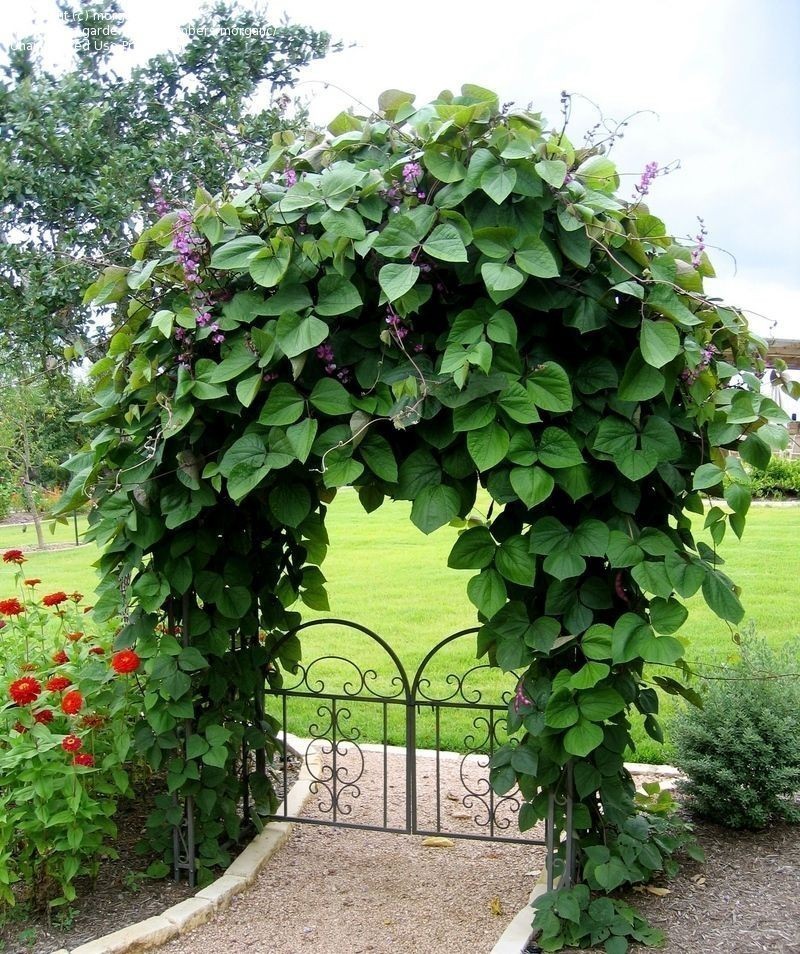

Lablab purpureus is a species of bean in the family Fabaceae. It is native to Africa and it is cultivated throughout the tropics for food. English language common names include hyacinth bean, lablab-bean
Lablab purpureus is a species of bean in the family Fabaceae. It is native to Africa and it is cultivated throughout the tropics for food. English language common names include hyacinth bean, lablab-bean bonavist bean/pea, dolichos bean, seim bean, lablab bean, Egyptian kidney bean, Indian bean, bataw and Australian pea. It is the only species in the monotypic genus Lablab.
The plant is variable due to extensive breeding in cultivation, but in general, they are annual or short-lived perennial vines. The wild species is perennial. The thick stems can reach six meters in length. The leaves are made up of three pointed leaflets each up to 15 centimeters long. They may be hairy on the undersides. The inflorescence is made up of racemes of many flowers. Some cultivars have white flowers, and others may have purplish or blue.[2] The fruit is a legume pod variable in shape, size, and color. It is usually several centimeters long and bright purple to pale green.[7] It contains up to four seeds. The seeds are white, brown, red, or black depending on the cultivar, sometimes with a white hilum. Wild plants have mottled seeds. The seed is about a centimeter long.
The hyacinth bean is an old domesticated pulse and multi-purpose crop. Due to seed availability of one forage cultivar (cv. Rongai), it is often grown as forage for livestock and as an ornamental plant. In addition, it is cited both as a medicinal plant and a poisonous plant.
The fruit and beans are edible if boiled well with several changes of the water. Otherwise, they are toxic due to the presence of cyanogenic glycosides, glycosides that are converted to hydrogen cyanide when consumed. Signs of poisoning include weakness, vomiting, dyspnea, twitching, stupor, and convulsions. It has been shown that there is a wide range of cyanogenic potential among the varieties.
The leaves are eaten raw or cooked like spinach. The flowers can be eaten raw or steamed. The root can be boiled or baked for food. The seeds are used to make tofu and tempeh.
In Bangladesh and West Bengal, the green pods along with the beans, known as Sheem (শিম), are cooked as vegetables or cooked with fish as a curry.
In China, the seeds are known as Bai Bian Dou. They are usually dried and baked before being used in traditional Chinese herbal remedies to strengthen spleen, reduce heat and dampness, and promote appetite.
In Kerala, it is known as Amarakka, Avara or Amara Payar (Malayalam: അമര പയർ ).[17] The beans as well as the bean pods are used in cooking curries. The bean pods are also used (along with spices) for preparing stir-fried dish known as Thoran.
In Maharashtra, dry preparations with green masala is often made out of these green beans (Ghevda varirties - Shravan ghevda (french beans), Bajirao Ghevda, Ghevda, Walwar, Pavta sheng..) mostly found at the end of monsoon during fasting festivals of Shravan month.
In Karnataka, the hyacinth bean is made into curry (avarekalu saaru)(Kannada: ಅವರೆಕಾಳು ಸಾರು), salad (avarekaalu usli), added to upma (avrekaalu uppittu), and as a flavoring to Akki rotti. Sometimes the outer peel of the seed is taken out and the inner soft part is used for a variety of dishes. This form is called hitakubele avarekalu, which means "pressed (hitaku) hyancinth bean, and a curry known as Hitikida Avarekaalu Saaru is made out of this deskinned beans.
In Telangana and Andra Pradesh, the bean pods are cut into small pieces and cooked as spicy curry in Pongal festival season. Sometimes the outer peel of the seed when tender and soaked over night is taken out and the inner soft part is used for a variety of dishes. This form is called pitakapappu,hanupa/anapa, which means "pressed (pitaku) hyancinth bean, and a curry known as Pitikida Anapaginjala Chaaru is made out of this deskinned beans along with bajra bread; it has been a very special delicacy for centuries.
In Huế, Vietnam, hyacinth beans are the main ingredient of the dish chè đậu ván (Hyacinth Bean Sweet Soup).
In Kenya, the bean called 'Njahe' is popular among several communities, especially the Kikuyu. Seasons were actually based on it i.e the Season of Njahe (Kīmera kīa njahī). It is thought to encourage lactation and has historically been the main dish for breastfeeding mothers. Beans are boiled and mashed with ripe and/or semi-ripe bananas, giving the dish a sweet taste. Today the production is in decline in eastern Africa. This is partly attributed to the fact that under colonial rule in Kenya, farmers were forced to give up their local bean in order to produce common beans (Phaseolus vulgaris) for export.
Other common names include Tonga bean, papaya bean, poor man bean (Australia), Seim (Trinidad), and butter bean (Caribbean).


Chwilowo nie możesz polubić tej opinii
Zgłoś komentarz
Zgłoszenie wysłane
Twoje zgłoszenie nie może zostać wysłane
Napisz swoją opinię
Recenzja została wysłana
Twoja recenzja nie może być wysłana
Wysyłamy zamówienia na cały świat z Unii Europejskiej za pośrednictwem poczty poleconej z potwierdzeniem odbioru.
Aby śledzić przesyłkę, zaloguj się na swoje konto i przejdź do sekcji Historia zamówień > Szczegóły, gdzie znajdziesz numer śledzenia.
Śledzenie międzynarodowe: 17Track
Dla numerów takich jak RGxxxxxxHR: Śledzenie Posta.hr
🕒 Uwaga: informacje o śledzeniu pojawią się dopiero po 24 godzinach od nadania.
Płatność za pobraniem nie jest możliwa.
Sprawdzaj folder SPAM / Niechciane w swojej skrzynce e-mail, aby nie przegapić powiadomień.
Korzystaj wyłącznie z formularza kontaktowego na naszej stronie.
Wiadomości wysłane bezpośrednio na e-mail mogą nie zostać odebrane.
Podczas składania zamówienia koniecznie podaj numer telefonu komórkowego z kodem kraju.
Przykład: +48 123 456 789
Dla przesyłek poleconych wymagany jest podpis odbiorcy (osoby, do której adresowana jest paczka).
Nie zamawiaj, jeśli:
chcesz, aby paczka została dostarczona do skrzynki pocztowej
nie będzie Cię w domu w czasie doręczenia
chcesz, by paczka została zostawiona u sąsiada (❌ to niemożliwe)
📬 Podanie adresu skrzynki pocztowej oznacza utratę prawa do zwrotu w razie zagubienia przesyłki.
Jeśli paczka zostanie zwrócona do nas z jakiegokolwiek powodu:
Pokrywasz koszt zwrotu 2 €
Oraz koszt ponownego nadania
Jeśli śledzenie wskazuje, że paczka wciąż jest „u nadawcy”, oznacza to, że jest w transporcie.
Skontaktuj się z lokalnym urzędem pocztowym, podając numer śledzenia.
Nie jesteśmy firmą kurierską – nie mamy możliwości monitorowania przesyłek za klientów.
Nie ponosimy odpowiedzialności za czas dostawy.
🔍 Reklamację zagubionej paczki możemy rozpocząć dopiero po 30 dniach od daty wysyłki.
| Typ wysyłki | Czas realizacji | Ubezpieczenie | Możliwe opóźnienie | Uwagi |
|---|---|---|---|---|
| Standardowa | 7–10 dni roboczych | ❌ | 7–14 dni | Najtańsza opcja |
| Priorytetowa | 1–7 dni roboczych | ❌ | 3–10 dni | Zamówienie przetwarzane priorytetowo, ale nie szybciej |
| Ubezpieczona | 1–7 dni roboczych | ✅ | 3–10 dni | Zwrot kosztów w przypadku zagubienia paczki (do 150 €) |
🕒 Szacowany czas dostawy:
W obrębie Unii Europejskiej: 3–20 dni roboczych
Globalnie: 5–30 dni roboczych
Przykładowe dostawy do USA: 27, 22, 19, 17, 13 dni
W opisie przelewu koniecznie podaj numer zamówienia (np. SGS-19811702).
Brak opisu może spowodować opóźnienie lub anulowanie zamówienia.
Jeśli płatność nie zostanie zaksięgowana w ciągu 7 dni – zamówienie zostanie anulowane.
Akceptujemy płatności wyłącznie w euro.
Ustaw walutę na euro podczas płatności.
Płatności kartą odbywają się przez naszą stronę: Exotic Seeds Store
Akceptujemy: Visa, MasterCard, American Express, Diners Club, UnionPay, JCB, Discover i inne.
💡 Klient ponosi wszelkie opłaty transakcyjne.
Aby przyspieszyć realizację zamówienia, prześlij potwierdzenie przelewu.
Nie przetwarzamy zamówień ani nie wysyłamy paczek w soboty i niedziele.
Przed złożeniem zamówienia sprawdź ogłoszenia na naszej stronie (np. przerwy świąteczne lub specjalne warunki).
📫 Uwaga:
Nie wysyłaj wiadomości e-mail. Używaj wyłącznie formularza kontaktowego dostępnego na naszej stronie.


