- +00 123 4567
- support@seeds-gallery.shop
over 2000 different plant seeds


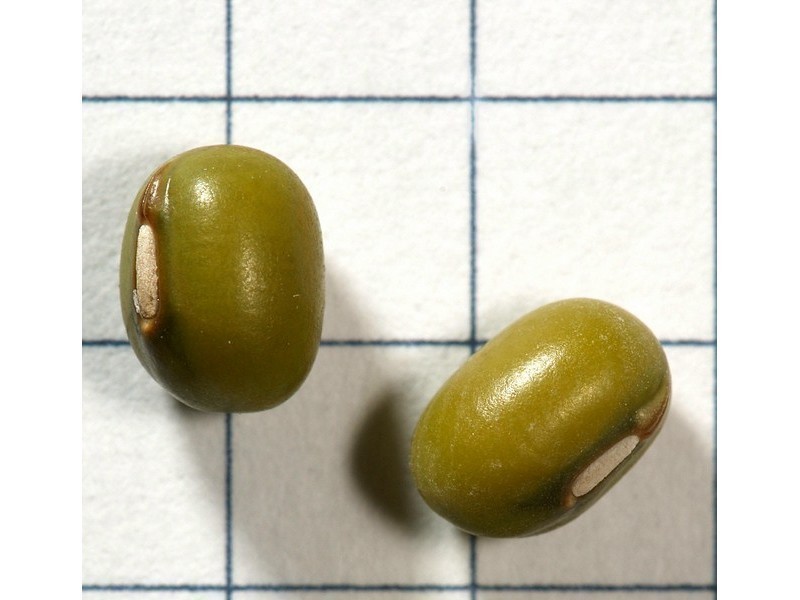
The mung bean (Vigna radiata), alternatively known as the moong bean, green gram, Lentil, but not Mungo, is a plant species in the legume family. Native to the Indian subcontinent, the mung bean is mainly cultivated today in India, China, and
Szanowni Klienci,
Chcielibyśmy poinformować o ważnej zmianie dotyczącej opłat za płatności. Niestety, ze względu na niezwykle wysokie prowizje nakładane przez system PayPal, jesteśmy zmuszeni doliczać dodatkową opłatę do transakcji dokonywanych za pośrednictwem tego serwisu.
Mamy jednak dla Państwa rozwiązanie! Możecie uniknąć tych astronomicznych kosztów, wybierając jedną z naszych alternatywnych metod płatności BEZ PROWIZJI:
✅ Płatność kartą płatniczą – 0% prowizji ✅ Przelew bankowy – 0% prowizji
Aby skorzystać z tych oszczędności, prosimy o dokonywanie zakupów bezpośrednio przez naszą oficjalną stronę internetową: 👉
Dziękujemy za wyrozumiałość i za to, że wybieracie nasze nasiona!
Zespół Seeds Gallery
The mung bean (Vigna radiata), alternatively known as the moong bean, green gram, Lentil, but not Mungo, is a plant species in the legume family. Native to the Indian subcontinent, the mung bean is mainly cultivated today in India, China, and Southeast Asia. It is also cultivated in hot, dry regions in Southern Europe and the Southern United States. It is used as an ingredient in both savory and sweet dishes.
Description
The English word mung is derived from the Hindi word मूंग Moong derived from the Sanskrit word मुद्ग (mudga). In Tamil it is பாசி பருப்பு (paasi paruppu). In Telugu language it is called పెసర పప్పు (Pesara pappu). In Kannada, it is ಹೆಸರು ಬೇಳೆ (hesaru bele).
Taxonomy
They are one of many species recently moved from the genus Phaseolus to Vigna, and is still often seen incorrectly cited as Phaseolus aureus or Phaseolus radiatus.
Uses
Mung beans are commonly used in various cuisines across Asia.
Whole beans and mung bean paste
Whole cooked mung beans are generally prepared from dried beans by boiling until they are soft. Mung beans are light yellow in color when their skins are removed. Mung bean paste can be made by dehulling, cooking, and pulverizing the beans to a dry paste.
Although whole mung beans are also occasionally used in Indian cuisine, beans without skins are more commonly used; but in Kerala, whole mung beans are commonly boiled to make a dry preparation often served with rice gruel (kanji). Dehulled mung beans can also be used in a similar fashion as whole beans for the purpose of making sweet soups. Mung beans in some regional cuisines of India are stripped of their outer coats to make mung dal. In Tamil Nadu, Telangana and Andhra Pradesh, steamed whole beans are seasoned with spices and fresh grated coconut in a preparation called sundal. In south and north Indian states, mung beans are also eaten as pancakes. They are soaked in water for six to 12 hours (the higher the temperature, the lesser soaking time). Then they are ground into fine paste along with ginger and salt. Then pancakes are made on a very hot griddle. These are usually eaten for breakfast. This provides high quality protein that is rare in most Indian regional cuisines. Pongal or kichdi is another recipe that is made with rice and mung beans without skin. In Kerala, it is commonly used to make the parippu preparation in the Travancore region (unlike Cochin and Malabar, where toor dal, tuvara parippu, is used). It is also used, with coconut milk and jaggery, to make a type of payasam.
In Chinese cuisine, whole mung beans are used to make a tángshuǐ, or dessert, otherwise literally translated, "sugar water", called lǜdòu tángshuǐ, which is served either warm or chilled. In Indonesia, they are made into a popular dessert snack called es kacang hijau, which has the consistency of a porridge. The beans are cooked with sugar, coconut milk, and a little ginger.
In Hong Kong, dehulled mung beans and mung bean paste are made into ice cream or frozen ice pops. Mung bean paste is used as a common filling for Chinese mooncakes in East China and Taiwan. Also in China, the boiled and shelled beans are used as filling in glutinous rice dumplings eaten during the dragon boat festival (端午节).[4] The beans may also cooked until soft, blended into a liquid, sweetened, and served as a beverage, popular in many parts of China.
In the Philippines, ginisáng monggó (sautéed mung bean stew), also known as monggó guisado or balatong, is a savoury stew of whole mung beans with shrimp or fish. It is traditionally served on Fridays of Lent, when the majority Roman Catholic Filipinos traditionally abstain from meat. Variants of ginisáng monggó may also be made with chicken or pork.
Mung bean paste is also a common filling of pastries known as hopia (or bakpia) popular in Indonesia, the Philippines and further afield in Guyana (where it is known as black eye cake) and originating from southern China
Bean sprouts
Mung bean sprouts are germinated by leaving them in water for four hours of daytime light and spending the rest of the day in the dark. Mung bean sprouts can be grown under artificial light for four hours over the period of a week. They are usually simply called "bean sprouts". However, when bean sprouts are called for in recipes, it generally refers to mung bean or soybean sprouts.
Mung bean sprouts are stir-fried as a Chinese vegetable accompaniment to a meal, usually with garlic, ginger, spring onions, or pieces of salted dried fish to add flavour. Uncooked bean sprouts are used in filling for Vietnamese spring rolls, as well as a garnish for phở. They are a major ingredient in a variety of Malaysian and Peranakan cuisine, including char kway teow, hokkien mee, mee rebus, and pasembor. In Korea, slightly cooked mung bean sprouts, called sukjunamul (hangul: 숙주나물), are often served as a side dish. They are blanched (placed into boiling water for less than a minute), immediately cooled in cold water, and mixed with sesame oil, garlic, salt, and often other ingredients. In the Philippines, mung bean sprouts are made into lumpia rolls called lumpiang togue.
In northern China and Korea, soybean sprouts, called kongnamul (hangul: 콩나물) in Korean, are more widely used in a variety of dishes.
Starch
Mung bean starch, which is extracted from ground mung beans, is used to make transparent cellophane noodles (also known as bean thread noodles, bean threads, glass noodles, fensi (粉絲), tung hoon (冬粉), miến, bún tàu, or bún tào). Cellophane noodles become soft and slippery when they are soaked in hot water. A variation of cellophane noodles, called mung bean sheets or green bean sheets, are also available. In Korea, a jelly called nokdumuk (hangul: 녹두묵; also called cheongpomuk; hangul: 청포묵) is made from mung bean starch; a similar jelly, colored yellow with the addition of gardenia coloring, is called hwangpomuk (hangul: 황포묵). In northern China, mung bean jelly is called liangfen (凉粉, meaning chilled bean jelly), which is very popular food during summer. Jidou liangfen is another flavor of mung bean jelly food in Yunnan, in southern China.
Mung batter is used to make crepes named pesarattu in Andhra Pradesh, India and pancakes named Bindaetteok in Korea.
History of domestication and cultivation
The mung bean was domesticated in India, where its progenitor (Vigna radiata subspecies sublobata) occurs wild.[8][9] Archaeological evidence has turned up carbonized mung beans on many sites in India. Areas with early finds include the eastern zone of the Harappan civilization in Punjab and Haryana, where finds date back about 4500 years, and South India in the modern state of Karnataka where finds date back more than 4000 years. Some scholars therefore infer two separate domestications in the northwest and south of India. In South India there is evidence for evolution of larger-seeded mung beans 3500 to 3000 years ago. By about 3500 years ago mung beans were widely cultivated throughout India. Cultivated mung beans later spread from India to China and Southeast Asia. Archaeobotanical research at the site of Khao Sam Kaeo in southern Thailand indicates that mung beans had arrived in Thailand by at least 2200 years ago. Finds on Pemba Island indicate that during the era of Swahili trade, in the 9th or 10th century, mung beans also came to be cultivated in Africa.


Chwilowo nie możesz polubić tej opinii
Zgłoś komentarz
Zgłoszenie wysłane
Twoje zgłoszenie nie może zostać wysłane
Napisz swoją opinię
Recenzja została wysłana
Twoja recenzja nie może być wysłana
🌍 Wysyłka na cały świat z UE
Wysyłamy na cały świat z Unii Europejskiej za pośrednictwem zarejestrowanej poczty lotniczej z wymaganym podpisem przy odbiorze.
📦 Śledzenie zamówienia
Aby znaleźć swój numer śledzenia, zaloguj się na swoje konto i przejdź do: Historia zamówień > Szczegóły. Twój numer śledzenia znajduje się bezpośrednio w szczegółach zamówienia.
Będziesz otrzymywać powiadomienia e-mail na każdym etapie zamówienia.
Jeśli nie widzisz tych wiadomości, sprawdź folder Spam/Wiadomości śmieci lub skontaktuj się ze swoim dostawcą e-mail. Alternatywnie poszukaj w Internecie informacji, jak odblokować wiadomości e-mail od nadawcy.
NASZ SERWIS E-MAIL DZIAŁA — Jeśli nie otrzymujesz wiadomości e-mail, prawdopodobnie jest to problem z Twoim dostawcą poczty lub ustawieniami.
📧 Jak zapewnić, aby e-maile z naszego sklepu internetowego zawsze trafiały do Twojej skrzynki odbiorczej
Aby zapobiec oznaczaniu naszych wiadomości jako spam, dodaj nasz adres e-mail do swoich kontaktów:
Otwórz Gmail (lub innego dostawcę) i znajdź e-mail od nas (support@seeds-gallery.shop).
Najedź kursorem na nazwę lub adres e-mail nadawcy.
Kliknij ikonę „Dodaj do kontaktów” (ikonka małej osoby).
Nie możemy Ci pomóc, jeśli Twoje ustawienia nie są skonfigurowane w ten sposób. Skontaktuj się ze swoim dostawcą e-mail, aby uzyskać pomoc.
Alternatywnie utwórz filtr w Gmailu:
Otwórz Gmail i przejdź do Ustawienia > Zobacz wszystkie ustawienia.
Przejdź do karty Filtry i zablokowane adresy.
Kliknij Utwórz nowy filtr i wpisz nasz adres e-mail.
Zaznacz Nigdy nie wysyłaj do spamu i kliknij Utwórz filtr.
📍 Śledź swoją paczkę
Twój numer śledzenia znajduje się w szczegółach zamówienia. Możesz śledzić swoje zamówienie za pośrednictwem następujących platform:
⚠️ Ważne uwagi
Płatność za pobraniem NIE jest dostępna.
Podczas składania zamówienia zawsze podawaj ważny numer telefonu komórkowego z numerem kierunkowym kraju (np. +48 601 234 567).
NIE zamawiaj do skrytek pocztowych (P.O. Boxes) ani jeśli nie możesz być w domu, aby podpisać odbiór paczki. Paczek nie można zostawiać u sąsiadów.
Jeśli paczka wysłana do skrytki pocztowej zaginie lub nie zostanie doręczona, zwrot pieniędzy nie zostanie przyznany.
⚖️ Odpowiedzialność klienta za zgodność z prawem
Klient jest odpowiedzialny za upewnienie się, że produkt może być legalnie importowany do jego kraju, w tym za przestrzeganie wszystkich przepisów importowych, uzyskanie niezbędnych zezwoleń oraz opłacenie obowiązujących ceł, podatków i innych opłat. Przed złożeniem zamówienia sprawdź lokalne przepisy.
🔄 Paczki zagubione, zwrócone i ponowna wysyłka
Klienci z Brazylii i Meksyku: Nie możemy zwrócić pieniędzy za paczki zagubione lub zniszczone przez urząd celny.
Jeśli Twoja paczka zostanie zwrócona, zwrócimy tylko koszt produktu — koszty wysyłki nie podlegają zwrotowi.
Opłatę za zwrot (2 €) oraz wszelkie koszty ponownej wysyłki musi pokryć klient.
🚚 Dostawa przesyłki
Przesyłki polecone wymagają podpisu.
Jeśli śledzenie pokazuje, że paczka nadal znajduje się w placówce początkowej, oznacza to, że jest w drodze — skontaktuj się ze swoim lokalnym urzędem pocztowym, aby uzyskać aktualne informacje.
Niestety, ani my, ani poczta, za pośrednictwem której wysłano zamówienie, nie możemy pomóc w ustaleniu, gdzie dokładnie znajduje się paczka. Gdy zobaczysz, że paczka jest w Twoim kraju, MUSISZ skontaktować się ze swoją pocztą, podając numer śledzenia.
⏱️ Opcje dostawy i szacowany czas
| Opcja dostawy | Czas przetwarzania | Uwagi |
| Priority Delivery | Wysyłka w ciągu 1–7 dni roboczych | Priorytetowe przetwarzanie; możliwe opóźnienia w okresie świątecznym (3–10 dni) |
| Secured Delivery | Wysyłka w ciągu 1–7 dni roboczych | Dostępne dla zamówień do 150 €; zwrot pieniędzy w przypadku zagubienia |
| Standard Delivery | Wysyłka w ciągu 7–10 dni roboczych | Bardziej ekonomiczna; możliwe opóźnienia w okresie świątecznym (7–14 dni) |
Szacowany czas dostawy:
Wewnątrz UE: 3–20 dni
Reszta świata: 5–30 dni
Uwaga: Czas dostawy zależy od Twojej lokalizacji i lokalnego systemu pocztowego. COVID-19 lub sezony świąteczne mogą powodować dodatkowe opóźnienia.
💰 Koszty wysyłki
Koszty wysyłki i obsługi są obliczane automatycznie podczas składania zamówienia na podstawie wagi paczki i miejsca przeznaczenia.
⏰ Godziny przetwarzania zamówień
Nie przetwarzamy ani nie wysyłamy zamówień w soboty i niedziele.
💳 Opcje płatności
Chcielibyśmy poinformować o ważnej zmianie dotyczącej opłat za płatności. Niestety, ze względu na wyjątkowo wysokie opłaty transakcyjne nakładane przez PayPal, jesteśmy zmuszeni doliczać dopłatę do płatności dokonywanych za pośrednictwem ich serwisu.
Mamy jednak dla Ciebie rozwiązanie! Możesz uniknąć tych astronomicznych opłat, wybierając jedną z naszych alternatywnych metod płatności z PROWIZJĄ 0%:
✅ Płatność kartą kredytową/debetową – 0% prowizji
✅ Przelew bankowy – 0% prowizji
Przelew bankowy (SEPA / IBAN / SWIFT-BIC): W opisie płatności podaj numer referencyjny zamówienia. Zamówienia nieopłacone w ciągu 4 dni zostaną automatycznie anulowane.
PayPal: Płatności są akceptowane wyłącznie w euro. Prosimy o wybranie euro podczas finalizacji zakupu.
Płatność kartą: W przypadku płatności kartą odwiedź naszą stronę partnerską:
Akceptujemy karty Visa, MasterCard, American Express, CB, Diners Club, Discover, China UnionPay, JCB i Discover.
⚠️ Opłaty transakcyjne
Klienci są odpowiedzialni za wszelkie bankowe lub transakcyjne opłaty PayPal.
📝 Uwagi końcowe
Przed złożeniem zamówienia zawsze sprawdzaj naszą stronę internetową pod kątem specjalnych ogłoszeń, harmonogramów świątecznych lub określonych warunków wysyłki.
check_circle
check_circle