- +00 123 4567
- support@seeds-gallery.shop
over 2000 different plant seeds
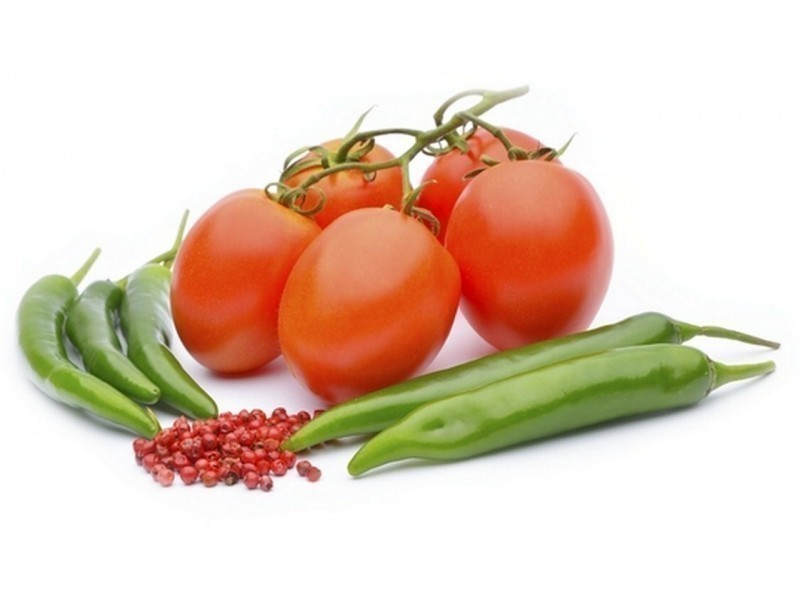
Sowing Instructions Tomatoes - Chili
Site & Soil
Tomatoes are warm-season plants and should be planted only after danger of frost has passed. Temperature is an important factor in the production of tomatoes, which are particularly sensitive to low night temperatures. Blossom drop can occur in early spring when daytime temperatures are warm,
Szanowni Klienci,
Chcielibyśmy poinformować o ważnej zmianie dotyczącej opłat za płatności. Niestety, ze względu na niezwykle wysokie prowizje nakładane przez system PayPal, jesteśmy zmuszeni doliczać dodatkową opłatę do transakcji dokonywanych za pośrednictwem tego serwisu.
Mamy jednak dla Państwa rozwiązanie! Możecie uniknąć tych astronomicznych kosztów, wybierając jedną z naszych alternatywnych metod płatności BEZ PROWIZJI:
✅ Płatność kartą płatniczą – 0% prowizji ✅ Przelew bankowy – 0% prowizji
Aby skorzystać z tych oszczędności, prosimy o dokonywanie zakupów bezpośrednio przez naszą oficjalną stronę internetową: 👉
Dziękujemy za wyrozumiałość i za to, że wybieracie nasze nasiona!
Zespół Seeds Gallery
Start: Seeds or seedlings
Germination: 7 to 25 days, 20°C to 35°C
Seed Life (viability): 3-4 years
Soil: Well drained
Sunlight: Full sun
Sow Seeds: 45 - 60 cm apart
Thin to: 45 - 60 cm apart
Ave. Days to Harvest: 65 to 100
Good Companions: Basil, Carrots, Chives, Garlic, Leeks, Marjoram, Onion, Oregano, Tomatoes, Yarrow
Bad Companions: Fennel, Kohlrabi
Germination
Some peppers (Bird and other small wild peppers) require extreme measures like bleaching or feeding to birds to get them to germinate. Luckily most peppers will germinate fine without such measures. Sow the seed 1/2cm deep in a well-drained starting medium. Seeds require a warm environment to germinate; your growing medium should be between 20 - 35 degrees C with 30C being the ideal. Using a heat mat (available at home and garden stores, hardware stores and even pet shops) can help to ensure ideal conditions. Additionally, young starts will fare much better with additional light. Place in a window or sunny location that receives lots of sun exposure. Consider supplementing with artificial lighting if possible.
My method is to setup a warming tray using a few off the shelf components.
First, prepare the starter packs by cutting 8 of the 9 cell packs into individual cell carriers. Fill each 1 cell with a high quality seed starting mix and insert the single cells into the 9 cell starting packs. The individual cell in the 9 cell carrier allows individual movement of seedlings to grow lights. Place between 2 & 3 seeds in each cell (or other quantity based on predicted germination ratio). Insert seeded cells into 9 cell groups and arrange in plastic tray. When the tray is full, cover and set it over the heating pad. Set the heating pad off at the highest setting and monitor the temperature with digital thermometer. Optimum soil temperature is 85 degrees F, adjust accordingly to maintain this temperature.
Lighting
Adjacent to the germination trays overhead fluorescent grow light setup. When a seed germinates, move it out off of the heat pads and under the lights as soon as it breaks ground. It is crucial to grow a healthy plant so cull anything less than perfect. Also, be sure to label plants well as it is easy to get mixed up when you have several different types of pepper in each 9 pack. Print labels on transparent envelope labels (Avery #2660 ) and cut/stick them on plastic stakes.
Outside
Set plants out 2 to 3 weeks after the last frost when the soil has warmed and the weather has settled. Peppers can be temperamental when it comes to setting fruit if temperatures are too hot or too cool. Nighttime temperatures below 15C or above 23C can reduce fruit set.
Tip: Wait until soil temperatures exceed 10 degrees C at all times before placing into the ground. Pepper plants can be fairly close to one another, so that there is slight contact between plants. For at least a few weeks, bring them indoors at night. After 2 to 3 weeks of this routine, leave them outside.
Transplanting
Between April and June, most peppers will need to be transplanted into larger containers. Sterilize and reuse plastic containers of varying sizes for all plants. I don’t have any specific guidelines for when to transplant. When the plant looks small for it’s pot, it’s time to move. Use regular potting soil available almost anywhere. Be sure to keep the plants well hydrated. Also it is best to transplant when it is not excessively hot, this lessens the impact of transplant shock. Fertilize after a week.
Growing
Peppers need a steady supply of water for best performance but be careful not to overwater. A well drained soil will prevent waterlogging. If fertilizing, be careful not to overdo it on nitrogen as this will give you nice lush and leafy plants but will deter fruit growth. Organic fertilizers and soil should be rich in phosphorus, potassium and calcium.
Mulching with black plastic or similar material is a good way to maintain heat and soil moisture. Additionally, floating row covers over your beds can help to protect against cold early in the growing season. Use caution with row covers not to overheat plants and cause them to drop their blossoms.
Tip: Stake tall varieties for earlier and heavier harvest.
In the Garden
By May, most peppers can move out of to enjoy natural unfiltered sunlight. Plant baccatum peppers in the ground between 1-2 feet apart. It is recommend planting in containers the first year but if you must plant in the ground, give them at least 2 feet from neighbors and consider how you will add a trellis later. If the weather is slow to warm, it is helpful to cover the ground around the seedlings with plastic wrap. This helps elevate the soil temperature. It is also sometimes helpful to cover plants with mini greenhouses. To do this, cut the neck off of clear plastic 2 liter (or larger) bottles. Drill a large hole in the center of the clear plastic container and then place the container over the center stake that the chile is tied to. Make sure to drill air holes around the side of the container to provide for ventilation. If you do this, be sure to watch the temperature and remove when it gets warm.
In the Garden
Aji (baccatum) and rocotos (pubescens) both do great in containers. Baccatum can easily be grown and sometimes overwintered in 5 gallon containers. Rocotos is always recommend stay in containers the first year as they do not get that large the first year and it facilitates overwintering. First year rocotos should also go in 5 gallon containers. Use high quality potting soil that has both perlite and vermiculite (or add them). Aji and rocoto will both need some sort of support as they grow and especially when they start producing peppers.
Food
Potassium and phosphorus are important for flowering and fruiting plants but be careful about adding too much nitrogen. If you over use nitrogen, you’ll get a nice big robust plant, but no peppers. Use any fertilizer recommended for tomatoes — something with a low nitrogen ration like 1-3-3. If a soil test shows you need to add calcium and also raise the pH, add some limestone. If you need to add calcium but don’t want to affect the pH, use gypsum. Links on soil and additives. Fertilize as needed, usually every other week.
Harvesting
You can pick bell type peppers, when they are smaller, in the beginning of summer. They may be taken when they are the size of a golf ball and frequent picking will encourage near-continuous fruit production. Immature bell peppers are soft and pliable with thin pale walls.
Otherwise, take fully mature bell peppers when they are 10 to 12cm long and have full, well-formed lobes. The older the fruit is, the thicker the skin will be.
Tip: Allow peppers to ripen to their final color later in the season to get fruit of different colors. Ripe peppers may be yellow, red, orange or purple, depending on the variety. You can continue to harvest peppers until the first frost.

Chwilowo nie możesz polubić tej opinii
Zgłoś komentarz
Zgłoszenie wysłane
Twoje zgłoszenie nie może zostać wysłane
Napisz swoją opinię
Recenzja została wysłana
Twoja recenzja nie może być wysłana
🌍 Wysyłka na cały świat z UE
Wysyłamy na cały świat z Unii Europejskiej za pośrednictwem zarejestrowanej poczty lotniczej z wymaganym podpisem przy odbiorze.
📦 Śledzenie zamówienia
Aby znaleźć swój numer śledzenia, zaloguj się na swoje konto i przejdź do: Historia zamówień > Szczegóły. Twój numer śledzenia znajduje się bezpośrednio w szczegółach zamówienia.
Będziesz otrzymywać powiadomienia e-mail na każdym etapie zamówienia.
Jeśli nie widzisz tych wiadomości, sprawdź folder Spam/Wiadomości śmieci lub skontaktuj się ze swoim dostawcą e-mail. Alternatywnie poszukaj w Internecie informacji, jak odblokować wiadomości e-mail od nadawcy.
NASZ SERWIS E-MAIL DZIAŁA — Jeśli nie otrzymujesz wiadomości e-mail, prawdopodobnie jest to problem z Twoim dostawcą poczty lub ustawieniami.
📧 Jak zapewnić, aby e-maile z naszego sklepu internetowego zawsze trafiały do Twojej skrzynki odbiorczej
Aby zapobiec oznaczaniu naszych wiadomości jako spam, dodaj nasz adres e-mail do swoich kontaktów:
Otwórz Gmail (lub innego dostawcę) i znajdź e-mail od nas (support@seeds-gallery.shop).
Najedź kursorem na nazwę lub adres e-mail nadawcy.
Kliknij ikonę „Dodaj do kontaktów” (ikonka małej osoby).
Nie możemy Ci pomóc, jeśli Twoje ustawienia nie są skonfigurowane w ten sposób. Skontaktuj się ze swoim dostawcą e-mail, aby uzyskać pomoc.
Alternatywnie utwórz filtr w Gmailu:
Otwórz Gmail i przejdź do Ustawienia > Zobacz wszystkie ustawienia.
Przejdź do karty Filtry i zablokowane adresy.
Kliknij Utwórz nowy filtr i wpisz nasz adres e-mail.
Zaznacz Nigdy nie wysyłaj do spamu i kliknij Utwórz filtr.
📍 Śledź swoją paczkę
Twój numer śledzenia znajduje się w szczegółach zamówienia. Możesz śledzić swoje zamówienie za pośrednictwem następujących platform:
⚠️ Ważne uwagi
Płatność za pobraniem NIE jest dostępna.
Podczas składania zamówienia zawsze podawaj ważny numer telefonu komórkowego z numerem kierunkowym kraju (np. +48 601 234 567).
NIE zamawiaj do skrytek pocztowych (P.O. Boxes) ani jeśli nie możesz być w domu, aby podpisać odbiór paczki. Paczek nie można zostawiać u sąsiadów.
Jeśli paczka wysłana do skrytki pocztowej zaginie lub nie zostanie doręczona, zwrot pieniędzy nie zostanie przyznany.
⚖️ Odpowiedzialność klienta za zgodność z prawem
Klient jest odpowiedzialny za upewnienie się, że produkt może być legalnie importowany do jego kraju, w tym za przestrzeganie wszystkich przepisów importowych, uzyskanie niezbędnych zezwoleń oraz opłacenie obowiązujących ceł, podatków i innych opłat. Przed złożeniem zamówienia sprawdź lokalne przepisy.
🔄 Paczki zagubione, zwrócone i ponowna wysyłka
Klienci z Brazylii i Meksyku: Nie możemy zwrócić pieniędzy za paczki zagubione lub zniszczone przez urząd celny.
Jeśli Twoja paczka zostanie zwrócona, zwrócimy tylko koszt produktu — koszty wysyłki nie podlegają zwrotowi.
Opłatę za zwrot (2 €) oraz wszelkie koszty ponownej wysyłki musi pokryć klient.
🚚 Dostawa przesyłki
Przesyłki polecone wymagają podpisu.
Jeśli śledzenie pokazuje, że paczka nadal znajduje się w placówce początkowej, oznacza to, że jest w drodze — skontaktuj się ze swoim lokalnym urzędem pocztowym, aby uzyskać aktualne informacje.
Niestety, ani my, ani poczta, za pośrednictwem której wysłano zamówienie, nie możemy pomóc w ustaleniu, gdzie dokładnie znajduje się paczka. Gdy zobaczysz, że paczka jest w Twoim kraju, MUSISZ skontaktować się ze swoją pocztą, podając numer śledzenia.
⏱️ Opcje dostawy i szacowany czas
| Opcja dostawy | Czas przetwarzania | Uwagi |
| Priority Delivery | Wysyłka w ciągu 1–7 dni roboczych | Priorytetowe przetwarzanie; możliwe opóźnienia w okresie świątecznym (3–10 dni) |
| Secured Delivery | Wysyłka w ciągu 1–7 dni roboczych | Dostępne dla zamówień do 150 €; zwrot pieniędzy w przypadku zagubienia |
| Standard Delivery | Wysyłka w ciągu 7–10 dni roboczych | Bardziej ekonomiczna; możliwe opóźnienia w okresie świątecznym (7–14 dni) |
Szacowany czas dostawy:
Wewnątrz UE: 3–20 dni
Reszta świata: 5–30 dni
Uwaga: Czas dostawy zależy od Twojej lokalizacji i lokalnego systemu pocztowego. COVID-19 lub sezony świąteczne mogą powodować dodatkowe opóźnienia.
💰 Koszty wysyłki
Koszty wysyłki i obsługi są obliczane automatycznie podczas składania zamówienia na podstawie wagi paczki i miejsca przeznaczenia.
⏰ Godziny przetwarzania zamówień
Nie przetwarzamy ani nie wysyłamy zamówień w soboty i niedziele.
💳 Opcje płatności
Chcielibyśmy poinformować o ważnej zmianie dotyczącej opłat za płatności. Niestety, ze względu na wyjątkowo wysokie opłaty transakcyjne nakładane przez PayPal, jesteśmy zmuszeni doliczać dopłatę do płatności dokonywanych za pośrednictwem ich serwisu.
Mamy jednak dla Ciebie rozwiązanie! Możesz uniknąć tych astronomicznych opłat, wybierając jedną z naszych alternatywnych metod płatności z PROWIZJĄ 0%:
✅ Płatność kartą kredytową/debetową – 0% prowizji
✅ Przelew bankowy – 0% prowizji
Przelew bankowy (SEPA / IBAN / SWIFT-BIC): W opisie płatności podaj numer referencyjny zamówienia. Zamówienia nieopłacone w ciągu 4 dni zostaną automatycznie anulowane.
PayPal: Płatności są akceptowane wyłącznie w euro. Prosimy o wybranie euro podczas finalizacji zakupu.
Płatność kartą: W przypadku płatności kartą odwiedź naszą stronę partnerską:
Akceptujemy karty Visa, MasterCard, American Express, CB, Diners Club, Discover, China UnionPay, JCB i Discover.
⚠️ Opłaty transakcyjne
Klienci są odpowiedzialni za wszelkie bankowe lub transakcyjne opłaty PayPal.
📝 Uwagi końcowe
Przed złożeniem zamówienia zawsze sprawdzaj naszą stronę internetową pod kątem specjalnych ogłoszeń, harmonogramów świątecznych lub określonych warunków wysyłki.
check_circle
check_circle