
"Vezanka" Chili 4000 Seeds Old Serbian variety
120,00 €


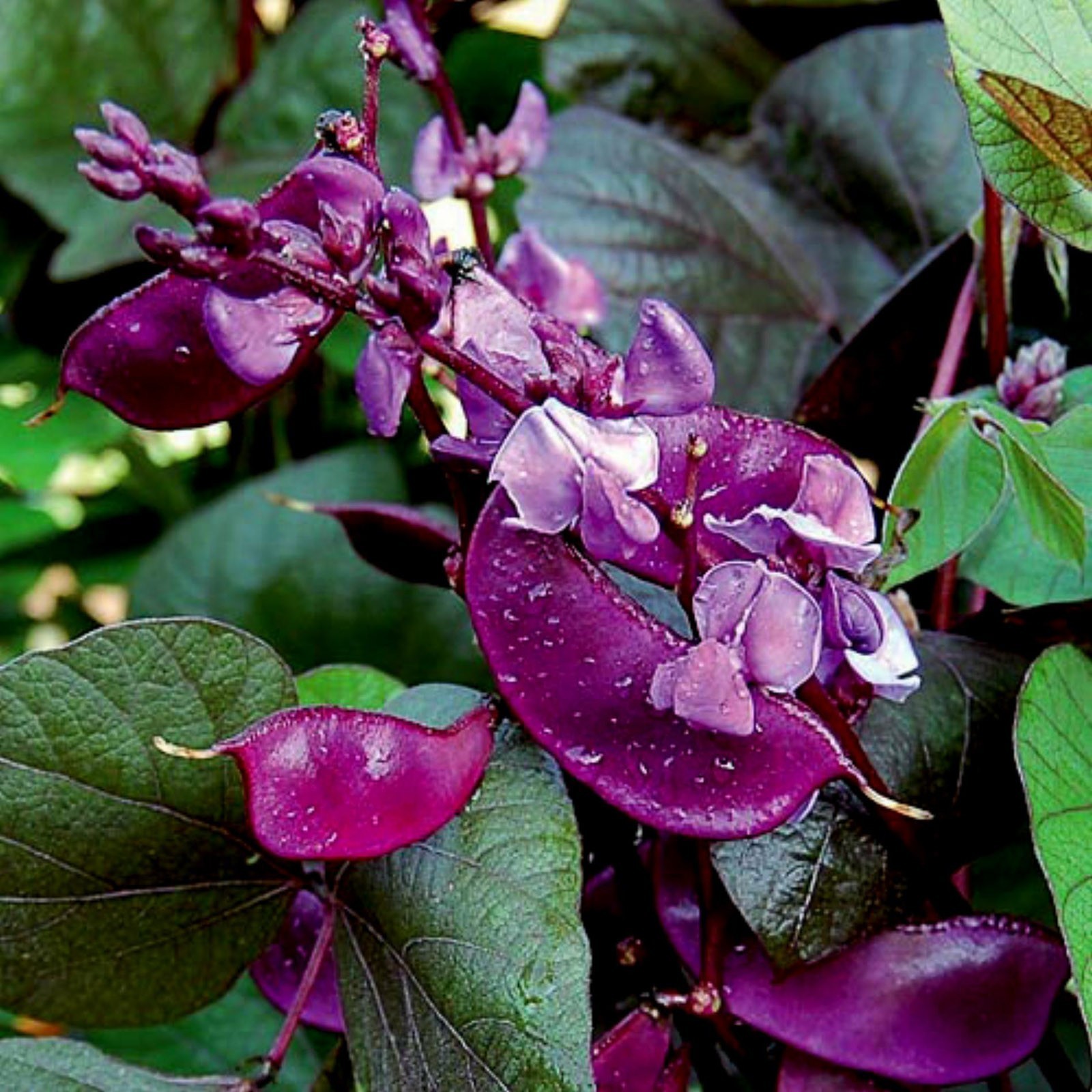

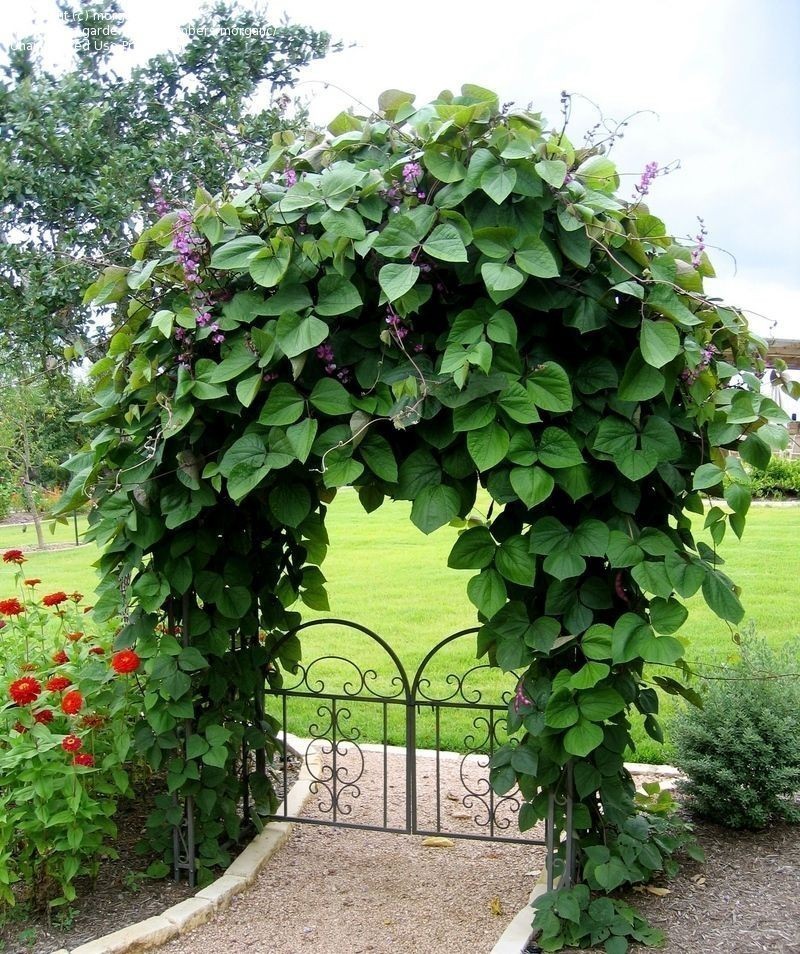

Lablab purpureus is a species of bean in the family Fabaceae. It is native to Africa and it is cultivated throughout the tropics for food. English language common names include hyacinth bean, lablab-bean
Lablab purpureus is a species of bean in the family Fabaceae. It is native to Africa and it is cultivated throughout the tropics for food. English language common names include hyacinth bean, lablab-bean bonavist bean/pea, dolichos bean, seim bean, lablab bean, Egyptian kidney bean, Indian bean, bataw and Australian pea. It is the only species in the monotypic genus Lablab.
The plant is variable due to extensive breeding in cultivation, but in general, they are annual or short-lived perennial vines. The wild species is perennial. The thick stems can reach six meters in length. The leaves are made up of three pointed leaflets each up to 15 centimeters long. They may be hairy on the undersides. The inflorescence is made up of racemes of many flowers. Some cultivars have white flowers, and others may have purplish or blue.[2] The fruit is a legume pod variable in shape, size, and color. It is usually several centimeters long and bright purple to pale green.[7] It contains up to four seeds. The seeds are white, brown, red, or black depending on the cultivar, sometimes with a white hilum. Wild plants have mottled seeds. The seed is about a centimeter long.
The hyacinth bean is an old domesticated pulse and multi-purpose crop. Due to seed availability of one forage cultivar (cv. Rongai), it is often grown as forage for livestock and as an ornamental plant. In addition, it is cited both as a medicinal plant and a poisonous plant.
The fruit and beans are edible if boiled well with several changes of the water. Otherwise, they are toxic due to the presence of cyanogenic glycosides, glycosides that are converted to hydrogen cyanide when consumed. Signs of poisoning include weakness, vomiting, dyspnea, twitching, stupor, and convulsions. It has been shown that there is a wide range of cyanogenic potential among the varieties.
The leaves are eaten raw or cooked like spinach. The flowers can be eaten raw or steamed. The root can be boiled or baked for food. The seeds are used to make tofu and tempeh.
In Bangladesh and West Bengal, the green pods along with the beans, known as Sheem (শিম), are cooked as vegetables or cooked with fish as a curry.
In China, the seeds are known as Bai Bian Dou. They are usually dried and baked before being used in traditional Chinese herbal remedies to strengthen spleen, reduce heat and dampness, and promote appetite.
In Kerala, it is known as Amarakka, Avara or Amara Payar (Malayalam: അമര പയർ ).[17] The beans as well as the bean pods are used in cooking curries. The bean pods are also used (along with spices) for preparing stir-fried dish known as Thoran.
In Maharashtra, dry preparations with green masala is often made out of these green beans (Ghevda varirties - Shravan ghevda (french beans), Bajirao Ghevda, Ghevda, Walwar, Pavta sheng..) mostly found at the end of monsoon during fasting festivals of Shravan month.
In Karnataka, the hyacinth bean is made into curry (avarekalu saaru)(Kannada: ಅವರೆಕಾಳು ಸಾರು), salad (avarekaalu usli), added to upma (avrekaalu uppittu), and as a flavoring to Akki rotti. Sometimes the outer peel of the seed is taken out and the inner soft part is used for a variety of dishes. This form is called hitakubele avarekalu, which means "pressed (hitaku) hyancinth bean, and a curry known as Hitikida Avarekaalu Saaru is made out of this deskinned beans.
In Telangana and Andra Pradesh, the bean pods are cut into small pieces and cooked as spicy curry in Pongal festival season. Sometimes the outer peel of the seed when tender and soaked over night is taken out and the inner soft part is used for a variety of dishes. This form is called pitakapappu,hanupa/anapa, which means "pressed (pitaku) hyancinth bean, and a curry known as Pitikida Anapaginjala Chaaru is made out of this deskinned beans along with bajra bread; it has been a very special delicacy for centuries.
In Huế, Vietnam, hyacinth beans are the main ingredient of the dish chè đậu ván (Hyacinth Bean Sweet Soup).
In Kenya, the bean called 'Njahe' is popular among several communities, especially the Kikuyu. Seasons were actually based on it i.e the Season of Njahe (Kīmera kīa njahī). It is thought to encourage lactation and has historically been the main dish for breastfeeding mothers. Beans are boiled and mashed with ripe and/or semi-ripe bananas, giving the dish a sweet taste. Today the production is in decline in eastern Africa. This is partly attributed to the fact that under colonial rule in Kenya, farmers were forced to give up their local bean in order to produce common beans (Phaseolus vulgaris) for export.
Other common names include Tonga bean, papaya bean, poor man bean (Australia), Seim (Trinidad), and butter bean (Caribbean).


Aprecierea ta pentru recenzie nu a putut fi trimisa
Reclama un comentariu
Raport trimis
Reclamatia tau nu a putut fi trimisa
Scrie-ti recenzia
Recenzia a fost trimisa
Recenzia ta nu a putut fi trimisa
Expediem comenzi la nivel mondial din Uniunea Europeană prin poștă înregistrată cu confirmare de primire.
Pentru a urmări coletul, autentifică-te în contul tău și accesează secțiunea Istoricul comenzilor > Detalii. Acolo vei găsi numărul de urmărire.
Urmărire internațională: 17Track
Pentru numere de tip RGxxxxxxHR: Posta.hr Tracking
🕒 Notă: Informațiile de urmărire devin disponibile după cel puțin 24 de ore de la expediere.
Plata ramburs nu este disponibilă.
Verifică dosarul SPAM / Junk al e-mailului pentru a nu rata notificările.
Contactează-ne doar prin formularul de contact de pe site.
E-mailurile directe nu vor fi procesate.
La plasarea comenzii, te rugăm să introduci numărul tău de telefon mobil cu prefixul internațional al țării.
Exemplu: +40 712 345 678
Pentru coletele înregistrate, este necesară semnătura destinatarului.
Nu comanda dacă:
dorești ca pachetul să fie livrat într-o cutie poștală
nu vei fi acasă pentru a-l prelua
dorești ca pachetul să fie lăsat la un vecin (❌ acest lucru nu este posibil)
📬 Dacă oferi o adresă de tip cutie poștală și coletul se pierde, nu ai dreptul la ramburs.
Dacă, din orice motiv, coletul este returnat către noi:
Vei fi responsabil pentru costul de retur de 2 €
Și pentru costul reexpedierii
Dacă urmărirea indică „la expeditor”, înseamnă că este în tranzit.
Contactează oficiul poștal local cu numărul de urmărire pentru informații actualizate.
Nu suntem serviciu poștal – nu putem urmări coletul în numele tău.
Nu ne asumăm responsabilitatea pentru timpii de livrare.
🔍 Putem începe o investigație doar după 30 de zile de la data expedierii.
| Tip livrare | Timp procesare | Asigurare | Posibile întârzieri | Detalii |
|---|---|---|---|---|
| Standard | 7–10 zile lucrătoare | ❌ | 7–14 zile | Cea mai ieftină opțiune |
| Prioritară | 1–7 zile lucrătoare | ❌ | 3–10 zile | Comanda procesată prioritar, dar nu livrată mai rapid |
| Asigurată | 1–7 zile lucrătoare | ✅ | 3–10 zile | Rambursare garantată dacă coletul se pierde (până la 150 €) |
🕒 Timp estimativ de livrare:
În UE: 3–20 zile lucrătoare
Internațional: 5–30 zile lucrătoare
Exemple livrări SUA: 27, 22, 19, 17, 13 zile
În descrierea plății trebuie să menționezi codul comenzii (ex. SGS-19811702).
Dacă nu apare codul, comanda poate întârzia sau fi anulată.
Dacă plata nu este recepționată în 7 zile, comanda va fi anulată automat.
Acceptăm plăți doar în euro.
Te rugăm să selectezi euro în timpul procesului de plată.
Plata se face pe site-ul nostru: Exotic Seeds Store
Acceptăm: Visa, MasterCard, American Express, Diners Club, Discover, JCB, UnionPay etc.
💡 Clientul suportă toate taxele de tranzacție.
Pentru procesare rapidă, trimite dovada plății.
Nu procesăm comenzi și nu expediem sâmbăta sau duminica.
Verifică întotdeauna anunțurile importante de pe site-ul nostru înainte de a plasa o comandă (ex. sărbători sau condiții speciale).
📫 Important:
Nu trimite mesaje pe adresa noastră de e-mail. Folosește exclusiv formularul de contact disponibil pe site-ul nostru.


