- +00 123 4567
- support@seeds-gallery.shop
over 2000 different plant seeds
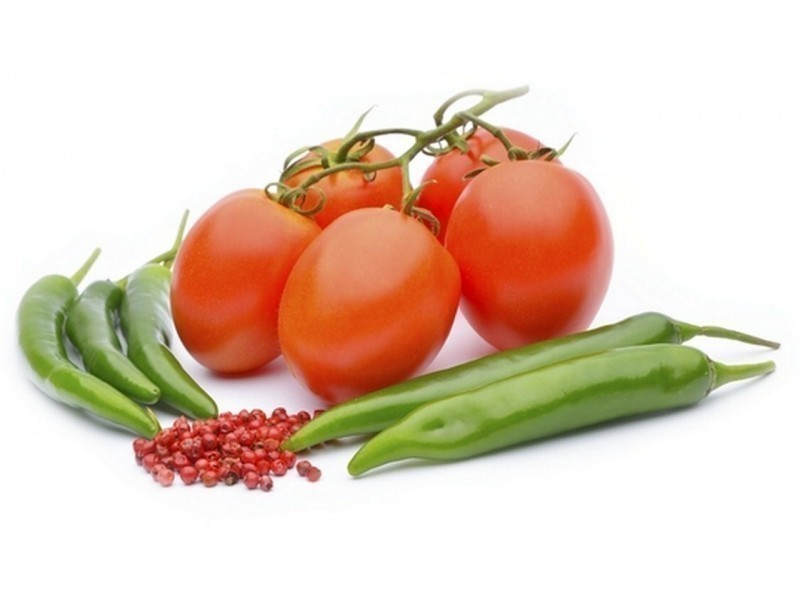
Sowing Instructions Tomatoes - Chili
Site & Soil
Tomatoes are warm-season plants and should be planted only after danger of frost has passed. Temperature is an important factor in the production of tomatoes, which are particularly sensitive to low night temperatures. Blossom drop can occur in early spring when daytime temperatures are warm,
Stimați clienți,
Dorim să vă informăm despre o modificare importantă privind taxele de plată. Din păcate, din cauza comisioanelor extrem de mari impuse de PayPal, suntem nevoiți să aplicăm o taxă suplimentară pentru plățile efectuate prin acest serviciu.
Totuși, avem soluția perfectă pentru dumneavoastră! Puteți evita aceste costuri astronomice alegând una dintre metodele noastre de plată alternative FĂRĂ COMISION:
✅ Plata cu cardul bancar – 0% comision ✅ Transfer bancar – 0% comision
Pentru a beneficia de aceste economii, vă rugăm să finalizați achiziția direct prin site-ul nostru oficial: 👉
Vă mulțumim pentru înțelegere și pentru că ați ales semințele noastre!
Echipa Seeds Gallery
Start: Seeds or seedlings
Germination: 7 to 25 days, 20°C to 35°C
Seed Life (viability): 3-4 years
Soil: Well drained
Sunlight: Full sun
Sow Seeds: 45 - 60 cm apart
Thin to: 45 - 60 cm apart
Ave. Days to Harvest: 65 to 100
Good Companions: Basil, Carrots, Chives, Garlic, Leeks, Marjoram, Onion, Oregano, Tomatoes, Yarrow
Bad Companions: Fennel, Kohlrabi
Germination
Some peppers (Bird and other small wild peppers) require extreme measures like bleaching or feeding to birds to get them to germinate. Luckily most peppers will germinate fine without such measures. Sow the seed 1/2cm deep in a well-drained starting medium. Seeds require a warm environment to germinate; your growing medium should be between 20 - 35 degrees C with 30C being the ideal. Using a heat mat (available at home and garden stores, hardware stores and even pet shops) can help to ensure ideal conditions. Additionally, young starts will fare much better with additional light. Place in a window or sunny location that receives lots of sun exposure. Consider supplementing with artificial lighting if possible.
My method is to setup a warming tray using a few off the shelf components.
First, prepare the starter packs by cutting 8 of the 9 cell packs into individual cell carriers. Fill each 1 cell with a high quality seed starting mix and insert the single cells into the 9 cell starting packs. The individual cell in the 9 cell carrier allows individual movement of seedlings to grow lights. Place between 2 & 3 seeds in each cell (or other quantity based on predicted germination ratio). Insert seeded cells into 9 cell groups and arrange in plastic tray. When the tray is full, cover and set it over the heating pad. Set the heating pad off at the highest setting and monitor the temperature with digital thermometer. Optimum soil temperature is 85 degrees F, adjust accordingly to maintain this temperature.
Lighting
Adjacent to the germination trays overhead fluorescent grow light setup. When a seed germinates, move it out off of the heat pads and under the lights as soon as it breaks ground. It is crucial to grow a healthy plant so cull anything less than perfect. Also, be sure to label plants well as it is easy to get mixed up when you have several different types of pepper in each 9 pack. Print labels on transparent envelope labels (Avery #2660 ) and cut/stick them on plastic stakes.
Outside
Set plants out 2 to 3 weeks after the last frost when the soil has warmed and the weather has settled. Peppers can be temperamental when it comes to setting fruit if temperatures are too hot or too cool. Nighttime temperatures below 15C or above 23C can reduce fruit set.
Tip: Wait until soil temperatures exceed 10 degrees C at all times before placing into the ground. Pepper plants can be fairly close to one another, so that there is slight contact between plants. For at least a few weeks, bring them indoors at night. After 2 to 3 weeks of this routine, leave them outside.
Transplanting
Between April and June, most peppers will need to be transplanted into larger containers. Sterilize and reuse plastic containers of varying sizes for all plants. I don’t have any specific guidelines for when to transplant. When the plant looks small for it’s pot, it’s time to move. Use regular potting soil available almost anywhere. Be sure to keep the plants well hydrated. Also it is best to transplant when it is not excessively hot, this lessens the impact of transplant shock. Fertilize after a week.
Growing
Peppers need a steady supply of water for best performance but be careful not to overwater. A well drained soil will prevent waterlogging. If fertilizing, be careful not to overdo it on nitrogen as this will give you nice lush and leafy plants but will deter fruit growth. Organic fertilizers and soil should be rich in phosphorus, potassium and calcium.
Mulching with black plastic or similar material is a good way to maintain heat and soil moisture. Additionally, floating row covers over your beds can help to protect against cold early in the growing season. Use caution with row covers not to overheat plants and cause them to drop their blossoms.
Tip: Stake tall varieties for earlier and heavier harvest.
In the Garden
By May, most peppers can move out of to enjoy natural unfiltered sunlight. Plant baccatum peppers in the ground between 1-2 feet apart. It is recommend planting in containers the first year but if you must plant in the ground, give them at least 2 feet from neighbors and consider how you will add a trellis later. If the weather is slow to warm, it is helpful to cover the ground around the seedlings with plastic wrap. This helps elevate the soil temperature. It is also sometimes helpful to cover plants with mini greenhouses. To do this, cut the neck off of clear plastic 2 liter (or larger) bottles. Drill a large hole in the center of the clear plastic container and then place the container over the center stake that the chile is tied to. Make sure to drill air holes around the side of the container to provide for ventilation. If you do this, be sure to watch the temperature and remove when it gets warm.
In the Garden
Aji (baccatum) and rocotos (pubescens) both do great in containers. Baccatum can easily be grown and sometimes overwintered in 5 gallon containers. Rocotos is always recommend stay in containers the first year as they do not get that large the first year and it facilitates overwintering. First year rocotos should also go in 5 gallon containers. Use high quality potting soil that has both perlite and vermiculite (or add them). Aji and rocoto will both need some sort of support as they grow and especially when they start producing peppers.
Food
Potassium and phosphorus are important for flowering and fruiting plants but be careful about adding too much nitrogen. If you over use nitrogen, you’ll get a nice big robust plant, but no peppers. Use any fertilizer recommended for tomatoes — something with a low nitrogen ration like 1-3-3. If a soil test shows you need to add calcium and also raise the pH, add some limestone. If you need to add calcium but don’t want to affect the pH, use gypsum. Links on soil and additives. Fertilize as needed, usually every other week.
Harvesting
You can pick bell type peppers, when they are smaller, in the beginning of summer. They may be taken when they are the size of a golf ball and frequent picking will encourage near-continuous fruit production. Immature bell peppers are soft and pliable with thin pale walls.
Otherwise, take fully mature bell peppers when they are 10 to 12cm long and have full, well-formed lobes. The older the fruit is, the thicker the skin will be.
Tip: Allow peppers to ripen to their final color later in the season to get fruit of different colors. Ripe peppers may be yellow, red, orange or purple, depending on the variety. You can continue to harvest peppers until the first frost.

Aprecierea ta pentru recenzie nu a putut fi trimisa
Reclama un comentariu
Raport trimis
Reclamatia tau nu a putut fi trimisa
Scrie-ti recenzia
Recenzia a fost trimisa
Recenzia ta nu a putut fi trimisa
🌍 Livrare în toată lumea din UE
Expediem în toată lumea din Uniunea Europeană prin poștă aeriană recomandată, cu semnătură obligatorie la livrare.
📦 Urmărirea comenzii dumneavoastră
Pentru a găsi numărul de urmărire, conectați-vă la contul dumneavoastră și accesați: Istoric comenzi > Detalii. Numărul de urmărire se află direct în detaliile comenzii.
Veți primi notificări prin e-mail pentru fiecare etapă a comenzii dumneavoastră.
Dacă nu vedeți aceste mesaje, vă rugăm să verificați folderul Spam/Junk sau să contactați furnizorul dumneavoastră de e-mail. Alternativ, căutați online cum să deblocați e-mailurile de la expeditor.
SERVICIUL NOSTRU DE E-MAIL FUNCȚIONEAZĂ — Dacă nu primiți e-mailuri, este probabil o problemă cu furnizorul dumneavoastră de e-mail sau cu setările dumneavoastră.
📧 Cum să vă asigurați că e-mailurile de la magazinul nostru online ajung întotdeauna în Inbox
Pentru a preveni marcarea e-mailurilor noastre ca spam, adăugați adresa noastră de e-mail în contactele dumneavoastră:
Deschideți Gmail (sau orice alt furnizor) și găsiți un e-mail de la noi (support@seeds-gallery.shop).
Treceți mouse-ul peste numele sau adresa de e-mail a expeditorului.
Faceți clic pe pictograma "Adaugă în contacte" (pictograma cu persoana mică).
Nu vă putem ajuta dacă setările dumneavoastră nu sunt așa. Contactați furnizorul de e-mail pentru asistență.
Alternativ, creați un filtru în Gmail:
Deschideți Gmail și accesați Setări > Vezi toate setările.
Mergeți la fila Filtre și adrese blocate.
Faceți clic pe Creați un filtru nou și introduceți adresa noastră de e-mail.
Bifați Nu se trimite niciodată în Spam și faceți clic pe Creați filtru.
📍 Urmăriți-vă pachetul
Numărul de urmărire se află în detaliile comenzii dumneavoastră. Vă puteți urmări comanda prin următoarele platforme:
⚠️ Notificări importante
Plata la livrare (ramburs) NU este disponibilă.
Când comandați, furnizați întotdeauna un număr de telefon mobil valid cu prefixul țării (de ex. +40 712 345 678).
NU comandați la căsuțe poștale (P.O. Boxes) sau dacă nu puteți fi acasă pentru a semna pentru pachet. Pachetele nu pot fi lăsate la vecini.
Dacă un pachet trimis la o căsuță poștală este pierdut sau nelivrat, nu se va acorda nicio rambursare.
⚖️ Responsabilitatea clientului pentru conformitatea legală
Clientul este responsabil să se asigure că produsul este legal pentru import în țara sa, inclusiv respectarea tuturor reglementărilor de import, obținerea permiselor necesare și plata taxelor vamale aplicabile, a impozitelor și a altor taxe. Vă rugăm să verificați legile locale înainte de a comanda.
🔄 Pachete pierdute, returnate și reexpediate
Clienți din Brazilia și Mexic: Nu putem rambursa pachetele pierdute sau distruse de vamă.
Dacă pachetul dumneavoastră este returnat, vom rambursa doar costul produsului — costurile de transport sunt nerambursabile.
Taxa poștală de returnare (2 €) și orice costuri de reexpediere trebuie acoperite de client.
🚚 Livrarea transportului
Expedierile recomandate necesită semnătură.
Dacă urmărirea arată că pachetul este încă la oficiul poștal de origine, acesta este în tranzit — contactați oficiul poștal local pentru actualizări.
Din păcate, nici noi, nici oficiul poștal prin care a fost trimisă comanda dumneavoastră nu vă putem ajuta cu întrebarea unde se află exact comanda dumneavoastră. Când vedeți că pachetul este în țara dumneavoastră, TREBUIE să contactați oficiul poștal cu numărul de urmărire.
⏱️ Opțiuni de livrare și timp estimat
| Opțiune de livrare | Timp de procesare | Note |
| Priority Delivery | Se expediază în 1–7 zile lucrătoare | Prioritizează procesarea comenzii; posibile întârzieri în timpul sărbătorilor (3–10 zile) |
| Secured Delivery | Se expediază în 1–7 zile lucrătoare | Disponibil pentru comenzi de până la 150 €; rambursare în caz de pierdere |
| Standard Delivery | Se expediază în 7–10 zile lucrătoare | Mai economic; posibile întârzieri în timpul sărbătorilor (7–14 zile) |
Timp estimat de livrare:
În interiorul UE: 3–20 zile
În restul lumii: 5–30 zile
Notă: Timpul de livrare depinde de locația dumneavoastră și de sistemul poștal local. COVID-19 sau perioadele de sărbători pot cauza întârzieri suplimentare.
💰 Costuri de livrare
Taxele de transport și manipulare sunt calculate automat la finalizarea comenzii pe baza greutății coletului și a destinației.
⏰ Programul de procesare a comenzilor
Nu procesăm și nu expediem comenzi sâmbăta sau duminica.
💳 Opțiuni de plată
Dorim să vă informăm despre o modificare importantă privind taxele de plată. Din păcate, din cauza comisioanelor de tranzacție excepțional de mari impuse de PayPal, suntem forțați să aplicăm o suprataxă pentru plățile efectuate prin serviciul lor.
Cu toate acestea, avem o soluție pentru dumneavoastră! Puteți evita aceste taxe astronomice alegând una dintre metodele noastre alternative de plată cu COMISION ZERO:
✅ Plată cu cardul de credit/debit – comision 0%
✅ Transfer bancar – comision 0%
Transfer bancar (SEPA / IBAN / SWIFT-BIC): Includeți referința comenzii dumneavoastră în descrierea plății. Comenzile fără plată în termen de 4 zile vor fi anulate automat.
PayPal: Plățile sunt acceptate numai în euro. Vă rugăm să selectați euro în timpul procesului de plată.
Plata cu cardul: Pentru plăți cu cardul, vizitați site-ul nostru partener:
Acceptăm Visa, MasterCard, American Express, CB, Diners Club, Discover, China UnionPay, JCB și Discover.
⚠️ Comisioane de tranzacție
Clienții sunt responsabili pentru orice comisioane bancare sau taxe de tranzacție PayPal.
📝 Note finale
Înainte de a plasa comanda, verificați întotdeauna site-ul nostru pentru anunțuri speciale, programe de sărbători sau condiții specifice de livrare.
check_circle
check_circle